Japanese golf clubs hold an almost mythical reputation, and for good reason. They are renowned not just for their performance but for a feel and quality that comes from a deep history of craftsmanship. This guide will walk you through what makes these clubs special, which brands are the best in the business, and how to choose the perfect set for your specific game.
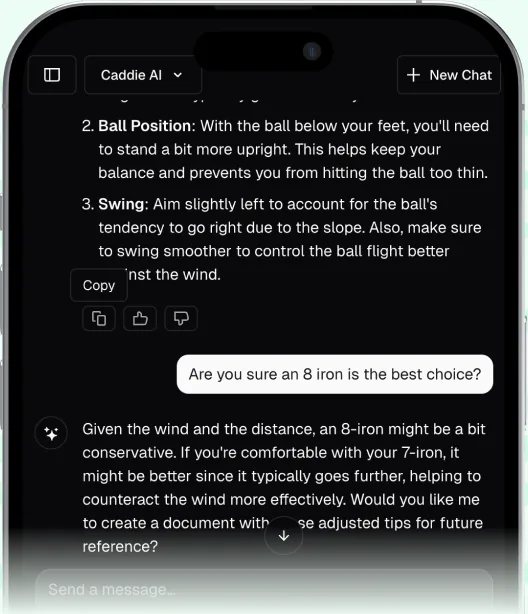
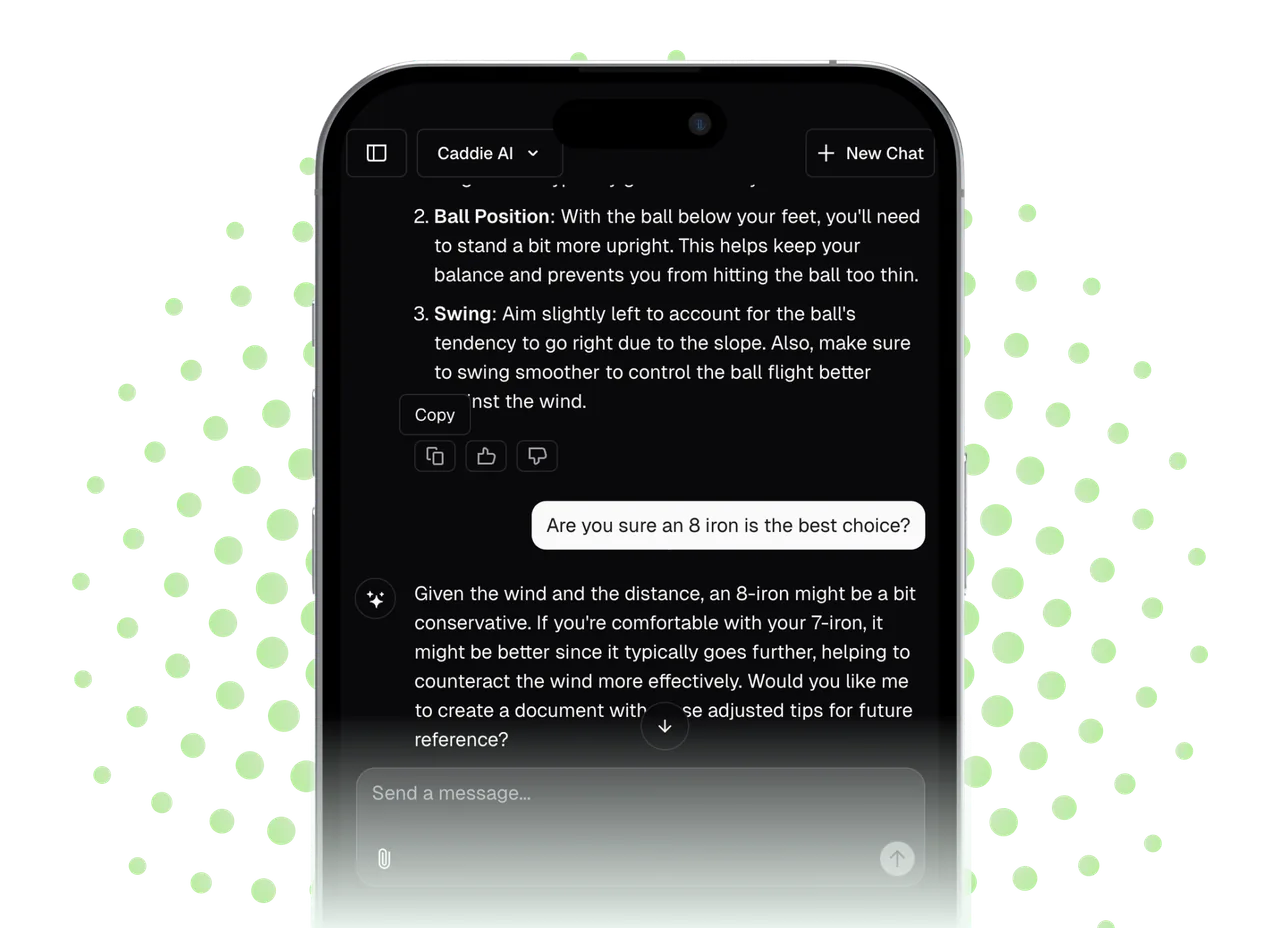
The best AI golf app: Caddie is your personal AI golf coach. Get expert-level golf advice instantly, 24/7 to help you play like a pro. Try it free →
The Forged Feel: What Makes Japanese Clubs Different?
Walk onto any practice range and you’ll hear golfers talking about the “buttery” or “soft” feel of Japanese irons. This isn't just marketing talk, it's the direct result of a unique manufacturing philosophy rooted in centuries of tradition. The same districts in Japan once famous for forging legendary Samurai swords are now home to forging houses that create some of the world's most desired golf clubs.
Here’s what sets them apart:
Premium Materials: They start with superior raw materials. Most high-end Japanese forgings use ultra-soft carbon steel, like S20C or S25C. This steel has fewer impurities, which allows for a more consistent and tight grain structure when it's forged.
The Forging Process: Unlike many mass-produced clubs which are cast (molten metal poured into a mold), premium Japanese irons are forged. Brands like Miura and Mizuno use a process where a single billet of that soft carbon steel is heated and hammered into shape. This process creates an incredibly dense and uniform grain structure within the metal. Think of it like comparing a regular block of wood to a dense piece of solid oak.
Superior Feel and Feedback: That tight grain structure is the secret sauce. It’s what transmits vibrations from the clubface to your hands so purely. On a perfectly struck shot, the feeling is sublime - a gentle compression with very little harsh vibration. On a miss, the feedback is clear and instant, telling you exactly where on the face you made contact. This precise feedback makes you a better ball striker over time.
Simply put, you're paying for unparalleled consistency and a feel that connects you directly to the golf ball. It's an experience that can genuinely elevate your enjoyment of the game.
Get pro-level golf advice instantly, 24/7
Ask Caddie anything. From “what club should I use?” to “how do I play this shot?” and get instant answers.
Finding Your Perfect Match: A Coach's Guide to Choosing
As a coach, the first thing I tell my students is that the "best" club isn't about the name on the head, it’s about the club that best fits your swing. Japanese brands offer something for everyone, but you have to be honest about your own game to find the right fit.
Step 1: Assess Your Skill Level
Where does your game currently stand? Be realistic - this is the most important step.
Beginners &, High-Handicappers (18+ Handicap): Your main priority is forgiveness. You need a club that helps you out on off-center hits. Look for clubs with a cavity back design, a wider sole to help prevent digging, and perimeter weighting to keep the club stable through impact. Brands like XXIO are designed specifically for this, and the more forgiving lines from Srixon or Mizuno (like the JPX series) are also excellent choices.
Mid-Handicappers (8-17 Handicap): This is the "sweet spot" where you can really get the best of both worlds. You have a decent swing but could still use some help. You should look at player's cavity backs or player's distance irons. These clubs often look like a sleek blade at address but hide forgiveness technology. They offer a great combination of feel, workability, and help on your slight misses. This is where brands like Mizuno (JPX Forged), Srixon (ZX5), and Epon really shine.
Low-Handicappers &, Scratch Golfers (0-7 Handicap): Your priority is precision, feel, and the ability to shape shots. You make consistent contact and don't need help with forgiveness. This is the realm of the classic muscle back (blade). The feel from a pure strike on a forged blade is what golf is all about. Look to the pinnacle brands like Miura (MB-101), Mizuno Pro (241), and Honma (TR20B) for the ultimate in performance irons.
Step 2: Understand the Club Categories
Let's briefly define those terms so you know exactly what you're looking for.
Muscle Backs (MBs): Also called blades. These have a solid block of steel positioned directly behind the hitting area. They have the smallest sweet spot but provide the most direct feedback and control for elite ball-strikers.
Cavity Backs (CBs): These clubs have material scooped out from the back, moving that weight to the perimeter (heel and toe) of the club. This makes the club much more stable on mishits, helping the ball fly straighter and further even when you don't hit the center.
Player's Distance/Cavity: A modern hybrid. It combines the clean look of a blade with the forgiveness of a cavity back, often with a hotter, thinner face to add more distance. It's the most popular category for a reason.
Plan every shot like a pro
Describe your situation and Caddie AI helps you pick your target, shot shape, and club with confidence.
The Titans of Japanese Golf: A Breakdown of the Top Brands
While an expert fitting is always the best way to go, understanding the identity of each brand can help you narrow down your search. Here’s a look at the major players and who they are best for.
Miura: The Artisan's Club
Miura is often considered the gold standard of Japanese forging. Every club is hand-finished by a master craftsman in their factory in Himeji, Japan. The focus is on perfection in shape, feel, and consistency. There is a sense of artistry in every iron.
Who it's for: The golf purist who prioritizes pristine feel and timeless design over chasing the latest distance claims. Their irons are an investment in craftsmanship.
Key Models: The MB-101 is a legendary pure blade. The CB-302 is a stunning and surprisingly playable cavity back that fits a wide range of golfers.
Mizuno: The Modern Innovator with Classic Roots
Mizuno's "Grain Flow Forging" process is legendary and trusted by major champions and weekend golfers alike. They have a fantastic ability to blend traditional aesthetics with cutting-edge performance technology, delivering clubs that both look and perform exceptionally.
Who it's for: Practically everyone. Mizuno offers a cohesive line that serves every skill level, from professionals to improving amateurs.
Key Models: The Mizuno Pro 241/243/245 series caters brilliantly to low, mid, and even higher handicap golfers respectively. The JPX 923 Forged is one of the best "do-it-all" irons on the market.
Srixon &, XXIO: The Performance-Driven Pair
As part of the same parent company, Dunlop Sports, Srixon and XXIO cater to two different but important segments. Srixon focuses on creating tour-proven performance that is still accessible to regular golfers. XXIO is a master of lightweight technology, creating clubs that make the game easier and more fun for players with moderate swing speeds.
Who it's for: Srixon is for the aspiring player or mid-handicapper looking for a fantastic blend of looks, feel, and performance at a great value. XXIO is the hands-down best choice for seniors, women, or any golfer who needs help generating more clubhead speed effortlessly.
Key Models: Srixon's ZX7 Mk II (player's) and ZX5 Mk II (player's distance) irons are hugely popular. The entire XXIO 13 lineup is engineered for easy distance.
Honma: Luxury Meets Performance
Honma has a dual identity. The brand is famous for its ultra-premium, opulent BERES line, known as the "Rolls-Royce" of golf clubs. However, their Tour World (TW) and TR series clubs are tour-caliber equipment crafted for serious players, embodying incredible attention to detail and performance.
Who it's for: The TR/TW lines are for skilled golfers who appreciate meticulous design and flawless finishes. The BERES line is for those who seek the ultimate in luxury, high-end materials, and game-improvement tech for slower swings.
Key Models: The TR20 P is a beautiful and powerful player's distance iron.
Epon: The Fitter's Exclusive Choice
Epon is the house brand of the legendary Endo Forging house - the factory that has anonymously forged clubs for many of the world's most famous brands for decades. Epon heads are sold exclusively as components to a select network of elite custom club fitters. This isn't a brand you buy off the rack.
Who it's for: The golfer who is committed to a top-tier custom fitting experience and wants a club built to their exact specs with unparalleled material consistency.
Key Models: The AF-506 is their flagship game-improvement iron that a huge range of players can use successfully.
Play Golf like a Pro with Caddie
Learn and improve your golf game as you play. Get pro-level tips, strategy and guidance anytime.
The "best" Japanese golf clubs aren't a single set - they are the ones that perfectly harmonize with your swing skill, your aesthetic preferences, and your performance needs. From the artisanal purity of Miura to the innovative performance of Mizuno and the specialized focus of XXIO, there is a Japanese club out there that will make you fall in love with the game all over again.
Once you’ve invested in these beautifully crafted tools, making smart decisions on the course is the next big step to lowering your scores. We created Caddie AI to act as a 24/7 golf coach in your pocket. As your playing partner, our app can give you an immediate club recommendation before a tough approach shot or a smart strategy for playing an unfamiliar hole. If you find yourself in a tricky lie in the rough, you can even snap a photo of your ball, and we’ll give you expert advice on the best way to handle the shot, helping you use your premium clubs with newfound confidence.
Spencer has been playing golf since he was a kid and has spent a lifetime chasing improvement. With over a decade of experience building successful tech products, he combined his love for golf and startups to create Caddie AI - the world's best AI golf app. Giving everyone an expert level coach in your pocket, available 24/7. Caddie's mission is simple: make world-class golf advice accessible to everyone, anytime.
Other posts you might like
What Is the International Series in Golf?
A new force has arrived in professional golf, bringing bigger prize funds, global venues, and a direct pathway to LIV Golf. This is the International Series, and this article will guide you through exactly what it is, how it’s connected to LIV, and why it's a significant development for players and fans alike.
Many golf fans remember Natalie Gulbis as one of the most recognizable faces on the LPGA Tour, a player who combined impressive talent with a magnetic personality and sponsorship deals that reached far beyond the golf world. Then, it seemed like she quietly faded from the weekly leaderboards. This article will break down what happened to Natalie Gulbis’s pro career, where she is today, and what her journey can teach golfers of all levels.
Trying to figure out what a set of PXG golf clubs costs can feel like pinning down a moving target. Their prices change, their models update, and one golfer’s full set looks completely different from another’s. This article will cut through the noise. We'll break down PXG’s pricing structure, walk through the actual costs of their various clubs, and build a few sample bags so you can see what a realistic total might look like.
Rising superstar Ludvig Aberg plays the Titleist Pro V1x golf ball, and has trusted it to carry him on his meteoric journey to the top of the professional game. This article will break down exactly why this ball is the perfect match for his powerful swing, compare it to the popular standard Pro V1, and most importantly, give you a simple framework to figure out if it's the right choice for your game.
Walking through a golf shop can feel like trying to read a different language, especially when you notice all the tiny letters on the golf shafts. You see an R, an S, and then you spot an SR. This article will clear up exactly what an SR golf shaft is, who it's for, and how to determine if it might be the missing piece in your golf game that unlocks more consistency and distance.
Changing your own golf grips is one of the most satisfying and affordable ways to instantly improve the feel of your clubs and your connection to the ball. A fresh set of grips can restore tackiness, build confidence, and even quiet down overly active hands. This guide will walk you through everything you need to know, from the tools you'll need to a step-by-step process that makes the project simple and straightforward.