Thinking about playing golf in New South Wales? The short answer is a definitive yes - NSW is a magnificent place for a round, offering a staggering variety of courses for every skill level and budget. This guide will walk you through exactly how and where you can play, what to expect from the climate, and even offer a few coaching tips to help you score well on our unique Aussie fairways.
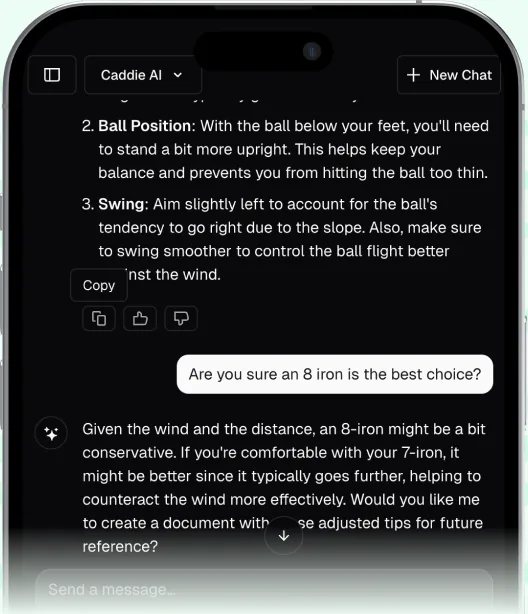
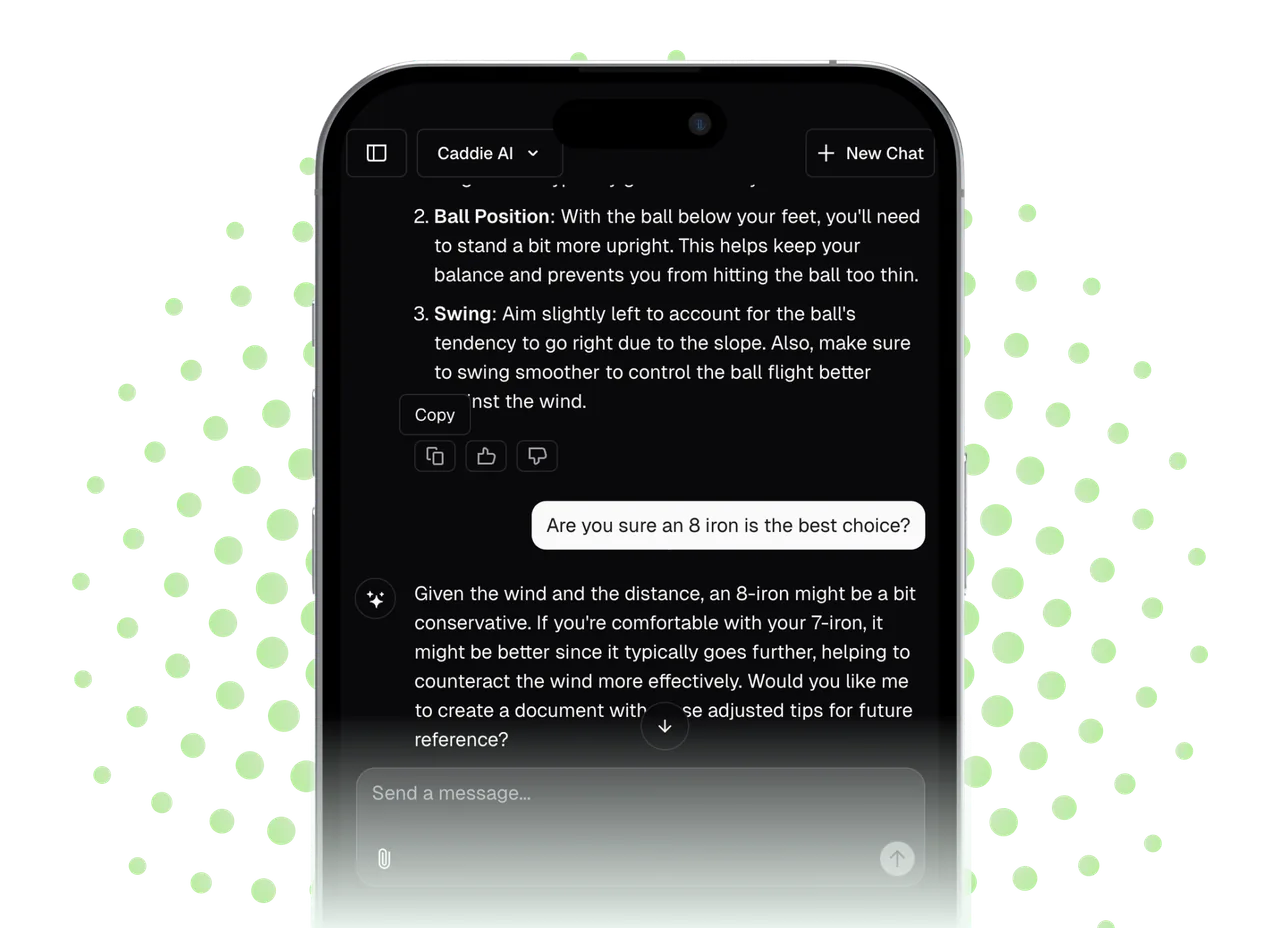
The best AI golf app: Caddie is your personal AI golf coach. Get expert-level golf advice instantly, 24/7 to help you play like a pro. Try it free →
Is NSW a Good Golfing Destination?
More than just good, New South Wales is a world-class golfing destination. The state's diverse landscape means you can be playing a windswept, coastal links course in the morning and a manicured, parkland championship layout in the afternoon. With over 350 courses scattered from the vibrant heart of Sydney to the tranquil banks of the Murray River, the options are spectacular.
The beauty of golfing here lies in its accessibility and variety. You’ll find:
Top-Tier Public Courses: Unlike many places in the world, NSW boasts a fantastic selection of high-quality public courses that are well-maintained and open to everyone.
Championship Resort Courses: Destinations like the Hunter Valley and the Coffs Coast have built stellar reputations by pairing incredible golf with wineries, luxury accommodation, and stunning scenery.
Iconic Private Clubs: While exclusive, some of Australia's most historic and revered clubs like Royal Sydney and the NSW Golf Club call this state home, setting a high standard for course design and conditioning.
A Year-Round Season: Thanks to a temperate climate, you can comfortably play golf in NSW any month of the year, which is a massive draw for visitors and locals alike.
Get pro-level golf advice instantly, 24/7
Ask Caddie anything. From “what club should I use?” to “how do I play this shot?” and get instant answers.
The biggest challenge isn’t finding if you can play, but deciding where. From local layouts to bucket-list tracks, here’s how to navigate the scene.
Public vs. Private Golf Courses
Your first step is understanding the difference between public and private venues.
Public Courses: These are your go-to for accessibility. They are open to the general public, and you can simply book a tee time online or by calling their pro shop. They are often more affordable and have a more relaxed atmosphere. Think of places like Moore Park in Sydney or your friendly local municipal course.
Private Clubs: These courses are run for their members. Getting a tee time usually requires being a member or being invited as a guest of a member. However, don't write them off entirely! Many private clubs offer limited tee times to the public on specific days (often Mondays or late on weekdays), and some have reciprocal arrangements with other clubs worldwide. Always check their website or call the pro shop to ask - you might be surprised.
Go-To Golfing Regions in NSW
To really get a feel for the variety, let's explore a few of the state's prime golfing hotspots.
Sydney & Surrounds
Australia’s largest city is also a golfing powerhouse. The convenience and quality are unmatched.
Top Public Picks: For picture-perfect views and a fantastic public round, you cannot beat the Northern Beaches course trifecta of Long Reef Golf Club, with its stunning coastal setting, or Northbridge Golf Club, with its dramatic harbour views. Closer to the city, Moore Park Golf is a bustling, popular, and incredibly well-maintained public facility that's open almost 24/7 thanks to its floodlit driving range and back nine.
Hidden Gems: Look at courses like St Michael’s Golf Club or The Coast Golf Club, both in the southern headlands of La Perouse. They neighbour the ultra-exclusive NSW Golf Club and offer a very similar links-style experience and an ocean backdrop for a fraction of the price.
The Hunter Valley
Just a two-hour drive north of Sydney, the "Hunter" is synonymous with wine, but its golf is just as big a draw. It's the perfect destination for a "stay and play" golf trip.
Premier Resorts:The Vintage Golf Club, designed by Greg Norman, is the undisputed king of the region. It's a true championship layout that will test every part of your game. Nearby, Cypress Lakes Golf & Country Club offers another fantastic resort-style experience, with dramatic elevation changes and a layout that winds through the vineyards.
The North & South Coasts
Follow the coastline in either direction from Sydney for some of the most beautiful golf in Australia.
North Coast: The crown jewel is Bonville Golf Resort, often called "Australia's Augusta." This Coffs Harbour masterpiece is regularly voted the country’s most beautiful course. The fairways are carved out of a flooded gum forest, creating a truly serene and unforgettable experience.
South Coast: The Illawarra and South Coast region is packed with quality tracks. Mollymook Golf Club's Hilltop Course is a classic, tree-lined test of precision, while courses like Narooma Golf Club feature one of the most famous holes in the country - a par 3 played over the ocean onto a clifftop green.
The NSW Golfing Calendar: When to Play
One of the best things about golf in NSW is that you can play 365 days a year. However, each season offers a slightly different experience.
Spring (September - November): Arguably the best time to play. The weather is perfect, with sunny days and comfortable temperatures. The courses are in peak condition coming out of winter, and the landscape is bursting with life.
Summer (December - February): It can get hot, especially in Western Sydney and the Hunter Valley. The play is to book an early morning or a late "twilight" tee time to avoid the midday heat. Courses are often firmer, meaning you’ll get plenty of roll on your drives, but you’ll need to adjust your approach shots.
Autumn (March - May): Like spring, autumn brings glorious, mild weather ideal for golf. The morning air is crisp, the days are sunny, and the courses are still in great shape. It's a fantastic time for a golf trip.
Winter (June - August): Winter in NSW is very mild compared to Europe or North America. Along the coast, you can expect cool but often sunny days. Courses will be a bit softer and can be damp after heavy rain, but they are very much open for business. Just pack a jumper!
Plan every shot like a pro
Describe your situation and Caddie AI helps you pick your target, shot shape, and club with confidence.
As a coach, I see golfers struggle with the same things when they first encounter our conditions. Here are a few simple tips that will help you not just play, but play well.
Master Chipping from Kikuyu Grass
Many NSW courses, especially along the coast, use a turf called Kikuyu. It's lush and green, but around the greens, it can be notoriously tricky. The thick, grainy texture loves to grab the hosel of your wedge and shut the clubface, leading to duffed or pulled chip shots.
The Fix:
Don’t use an overly delicate, handsy chipping motion. Instead, use your putting stroke as a template.
Stand a little closer to the ball and get the shaft of the club more vertical.
Use your shoulders to rock the club back and through, keeping your wrists firm. This "stiff-wristed" motion prevents the clubhead from digging and helps it glide through the tough grass. It’s less "pretty," but much more effective.
Embrace the "Low Ball" in the Wind
If you're playing a coastal course, you will face wind. Fighting it by swinging harder and trying to launch the ball high is a losing battle. The best players learn to flight the ball down and let it run.
The Fix:
Take one or two extra clubs (e.g., a 6-iron instead of an 8-iron).
Position the ball a little further back in your stance than normal.
Make a smooth, three-quarter swing. Don't try to "kill" it. The extra club will provide the distance while the shorter, softer swing keeps the ball low and out of the wind's grasp.
A Quick Word on Aussie Golf Etiquette
Aussie golfers are a friendly bunch, but we take pace of play and course care seriously.
Keep Up: The golden rule is to keep up with the group in front of you. Always be ready to play when it's your turn.
Playing golf in New South Wales is an accessible and thoroughly enjoyable experience. With a welcoming atmosphere, a huge variety of world-class public courses, and a climate that allows for year-round play, it's a true golfer's paradise waiting to be discovered by players of all abilities.
On your journey, you will inevitably stand on a tee box of a new course or face a tricky lie in the rough and feel a little unsure. For those moments when you need a spark of confidence or a smart strategy, we developed Caddie AI. It's designed to be your on-demand golf expert, giving you answers on course management or shot selection in seconds, so you can commit to every swing and focus on playing great golf across the beautiful landscapes of NSW.
Spencer has been playing golf since he was a kid and has spent a lifetime chasing improvement. With over a decade of experience building successful tech products, he combined his love for golf and startups to create Caddie AI - the world's best AI golf app. Giving everyone an expert level coach in your pocket, available 24/7. Caddie's mission is simple: make world-class golf advice accessible to everyone, anytime.
Other posts you might like
How Much Further Can You Hit a Golf Ball in Denver?
Playing golf in Denver means your drives will soar further than ever, but it also means that 150-yard approach shot is no longer a simple 7-iron. This isn't just a golfer's myth, it's a scientific fact that dramatically changes how you approach the game at high altitude. This guide will break down the science behind why the ball flies further in the Mile High City, give you practical numbers for adjusting your distances, and provide a clear strategy for recalibrating your game so you can play with confidence.
It’s a heart-stopping moment every golfer has dreamed of (or agonized over): your putt rolls perfectly, slows down, and hangs right on the edge of the cup, defying gravity. You hold your breath, whispering pleas to the golf gods. How long can you legally wait for it to drop? This article will break down the official rule about a ball overhanging the hole, explain the specific time limit you have, and walk you through what happens when a putt finally falls in a little late.
Knowing when you can and can't remove the flag in golf used to be simple, but the rules have changed, leaving many players a bit confused on the green. This isn't just about rules, it's about strategy, pace of play, and what feels right for your game. We’ll walk through the current rules on the flagstick, the on-course etiquette, and the strategic thinking that will help you decide whether to leave it in or take it out.
Thinking about hitting the links in Virginia? The short answer is a resounding yes. From dramatic mountain layouts to serene coastal tracks, Virginia offers an amazing variety of golf experiences for every skill level. This guide will walk you through everything you need to know, from the best seasons to play and where to find the top courses to a few on-course tips for handling Virginia’s unique challenges.
Almost every golfer, from the weekend warrior to the aspiring single-digit handicapper, has asked themselves the same question after a shanked iron or a sliced drive: Can I ever <em>actually</em> get good at this game? The frustration is real, but the answer is an absolute, unequivocal yes. This article will show you that getting good at golf isn't about being a gifted athlete or having some kind of special talent, it’s about understanding the right building blocks and having a simple, structured plan to improve.
South Carolina isn't just a place where you can golf, it's a destination that was practically built for the game. From the salty air of coastal links to the manicured fairways tucked under mossy oaks, the state offers an incredible variety of experiences for every type of golfer. This guide will walk you through the best times to play, the must-visit golf regions, and give you some on-the-ground coaching advice to help you score well in the Palmetto State.