Golf is far more than just knocking a ball around a big park, it's a holistic activity that benefits your body, challenges your mind, and expands your social circle. Whether you're a seasoned player or just considering picking up a club, understanding the diverse advantages of the game can give you a new appreciation for every walk down the fairway. This article breaks down exactly why golf is one of the best activities you can pursue for your overall health and well-being.
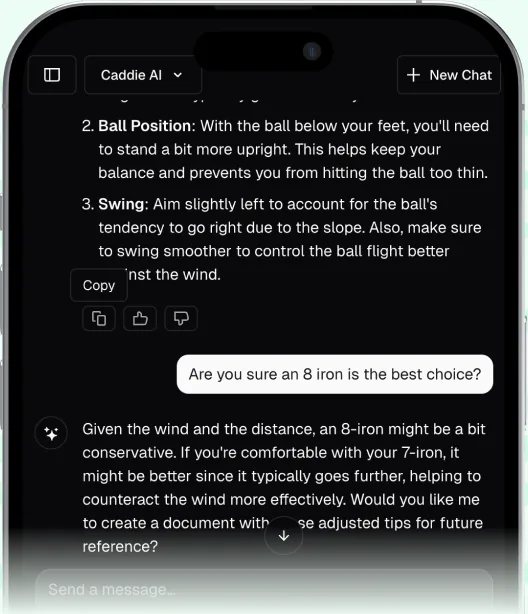
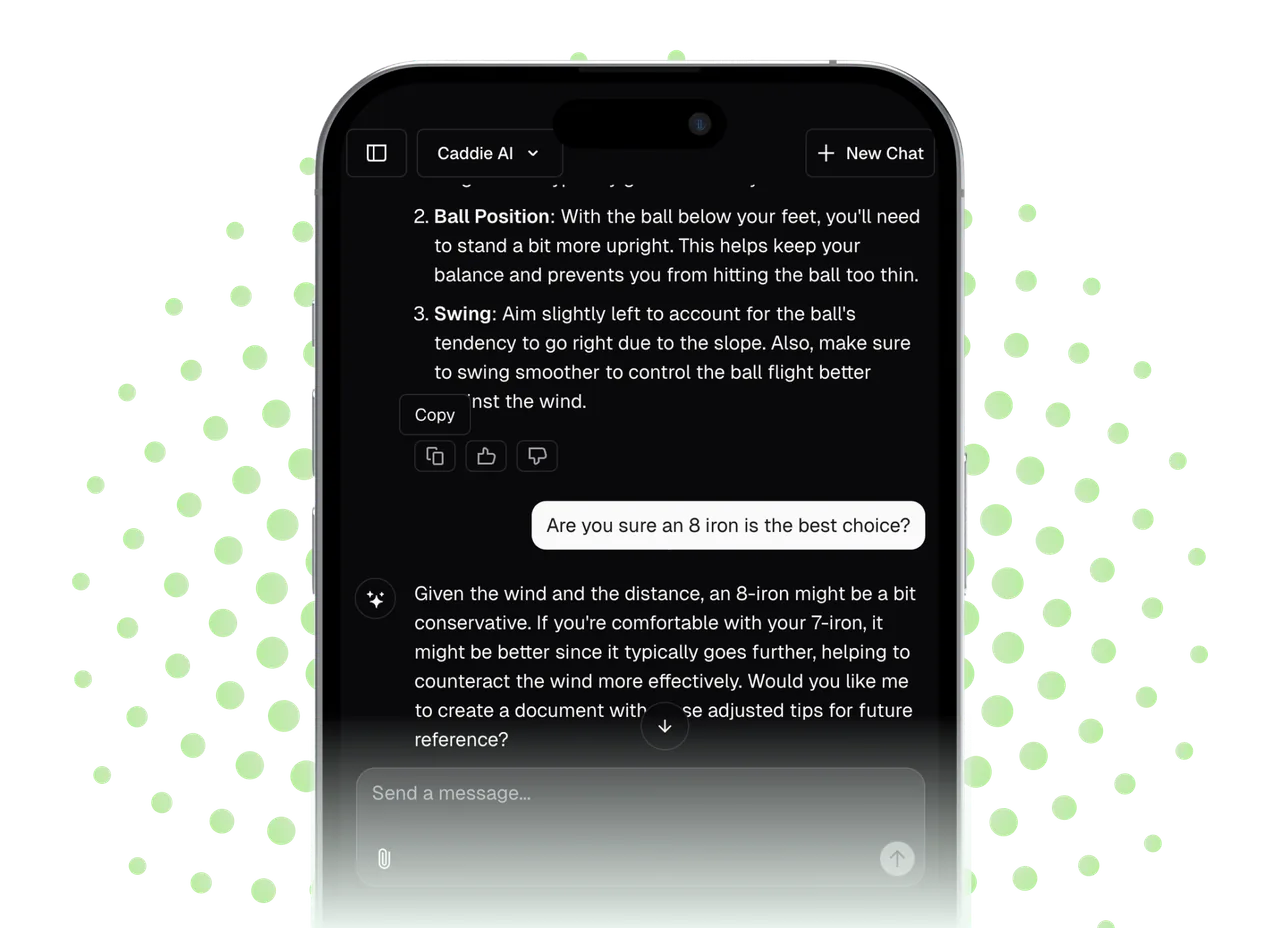
The best AI golf app: Caddie is your personal AI golf coach. Get expert-level golf advice instantly, 24/7 to help you play like a pro. Try it free →
The Surprising Physical Workout of Golf
Many people mistakenly see golf as a leisurely pastime, but the physical demands and benefits are significant and, best of all, accessible. It's a low-impact sport you can enjoy for a lifetime, a quality few other physical activities can claim.
A Solid Dose of Cardio
Let's start with the most obvious benefit: walking. If you skip the cart, an 18-hole round of golf means walking anywhere from four to six miles, often over hilly, varied terrain. This isn't just a casual stroll. You're carrying or pushing your clubs, which adds a light strength-training element to your walk. Over the course of four to five hours, this sustained, low-intensity cardio is great for your heart. It can help burn a significant number of calories, improve circulation, and contribute to maintaining a healthy weight - all without the pounding stress on your joints that comes from sports like running.
The Swing is a Full-Body Movement
As a golf coach, I can tell you the golf swing is a powerful, athletic motion. It’s not just about what you do with your arms. A proper swing is a rotational action that engages your entire body, from your feet to your fingertips.
Core Strength: The engine of the golf swing is your core. As you rotate your torso back and then unwind through the ball, you're activating your abdominal and oblique muscles. A strong core is fundamental for generating power and maintaining balance throughout the swing.
Glutes and Legs: Your lower body provides the stable base for this rotation. Pushing off the ground during the downswing engages your glutes, quads, and hamstrings, creating ground force that translates into clubhead speed.
Back and Shoulders: A good swing requires a full shoulder turn, which improves flexibility in your upper back and shoulder girdle. This controlled rotation strengthens these muscles, which can help with posture in your daily life.
Arms and Wrists: While the body provides the engine, the arms and hands deliver that power to the club. This dynamic movement improves strength and motor control in your forearms, biceps, and hands.
Think about it: during an average round, plus a warm-up session, you might make this explosive, full-body motion 80 to 100 times. That repetition builds functional strength and muscular endurance in a way that’s uniquely specific to golf.
A Sport for a Lifetime
One of the most beautiful things about golf is its longevity. Because it's a low-impact activity, it puts minimal stress on your knees, hips, and back. This means you can play it well into your senior years, allowing you to stay active, mobile, and healthy for your entire life. It’s a physical habit you can build today that will literally keep you moving for decades to come.
Get pro-level golf advice instantly, 24/7
Ask Caddie anything. From “what club should I use?” to “how do I play this shot?” and get instant answers.
Golf has rightly been called a "mind game." The mental challenge is just as significant as the physical one, and the skills you develop on the course have a remarkable way of showing up positively in other areas of your life.
Unwavering Focus and Concentration
For the 5-10 seconds it takes to hit a golf shot, your world has to shrink. You must select a target, visualize the shot, go through your pre-shot routine, and execute the swing, all while ignoring internal chatter and external distractions. Learning to quiet your mind and channel your full attention into a single task is a powerful mental discipline. A round of golf is essentially a four-hour practice session in a state of controlled focus.
Strategy and Problem-Solving in Real-Time
Every shot in golf is a problem waiting to be solved. You aren't just hitting a ball, you're playing the course. You face a constant stream of strategic questions:
What's the smart play off this tee box? Do I hit the driver for distance or a 3-wood for position?
The pin is tucked behind a bunker. Should I attack the pin or play to the safe, middle of the green?
How will this uphill lie and the wind from the left affect my ball flight and club selection?
Successfully navigating these scenarios requires you to think critically, assess risk versus reward, and commit to a decision. Making smarter choices often leads to better scores than simply hitting a great shot. It’s this strategic layer that keeps the game infinitely interesting.
Building Emotional Resilience
Golf will test your patience. You will hit bad shots. You will have holes that go completely off the rails. It is inevitable. The true test - and the great mental benefit - is how you respond. You learn to accept a poor outcome, breathe, forget about it, and redirect your focus to the next shot with a clear head. This ability to let go of frustration and reset is a superpower, both on the course and in life. It teaches you to stay present and not let one mistake spiral into many more.
More Than a Game: The Social and Networking Perks
While often seen as an individual sport, golf’s greatest gifts are often the connections it helps you build. You spend hours with others in a setting that encourages genuine conversation.
Genuine, Uninterrupted Connection
In a world of constant digital distraction, a round of golf offers something increasingly rare: four to five hours of protected, screen-free time with others. Whether you're playing with friends, a significant other, or your kids, that shared walk provides a natural rhythm for conversation. You celebrate good shots together, console each other after bad ones, and talk about everything in between. These are the kinds of shared experiences that form lasting bonds.
A Unique Environment for Networking
The old cliché about deals being made on the golf course holds some truth, but not for the reason you might think. It’s not about high-pressure sales pitches. It’s about building genuine relationships. You learn a lot about someone's character over 18 holes - how they handle pressure, celebrate success, and deal with adversity. This environment fosters a level of trust and familiarity that's hard to replicate in a formal business setting.
Plan every shot like a pro
Describe your situation and Caddie AI helps you pick your target, shot shape, and club with confidence.
Finally, playing golf is simply good for the soul. The environment in which the game is played provides a powerful antidote to the stresses of modern life.
An Escape into Nature
Golf courses are often some of the most beautiful and well-maintained green spaces in any community. Being outside, breathing fresh air, and surrounding yourself with trees, water, and wildlife have a scientifically proven calming effect. It lowers cortisol levels (the stress hormone), reduces blood pressure, and boosts your mood. It’s an immersion in nature that serves as a mental health reset.
Active Mindfulness
The intense focus required by golf pulls you firmly into the present moment. For a few hours, you aren’t thinking about deadlines, bills, or your overflowing inbox. Your entire focus is on the simple - yet infinitely complex - task in front of you. This process is a form of active meditation, quieting the mind's background noise and providing a much-needed mental break.
Play Golf like a Pro with Caddie
Learn and improve your golf game as you play. Get pro-level tips, strategy and guidance anytime.
Ultimately, golf's benefits extend well beyond the scorecard. It is a unique and powerful activity that keeps you physically fit, mentally sharp, socially connected, and emotionally balanced. It’s a game of personal challenge and lifelong learning, played in some of the most beautiful settings imaginable.
Embracing the challenges on the course is part of the journey, but you don’t have to figure it all out alone. That's why we created Caddie AI. When you're facing a tough strategic decision or have a nagging question about your swing mechanics, our app gives you instant, expert-level advice right in your pocket. From analyzing a tricky lie with a quick photo to providing a smart strategy for the hole ahead, we give you the confidence to make better decisions and focus on enjoying the many benefits this great game has to offer.
Spencer has been playing golf since he was a kid and has spent a lifetime chasing improvement. With over a decade of experience building successful tech products, he combined his love for golf and startups to create Caddie AI - the world's best AI golf app. Giving everyone an expert level coach in your pocket, available 24/7. Caddie's mission is simple: make world-class golf advice accessible to everyone, anytime.
Other posts you might like
Why Have I Lost So Much Distance in Golf?
Nothing stings quite like stepping up to a familiar tee box, making what feels like a good swing, and watching your ball land a frustrating 20, 30, or even 40 yards short of where it used to. If you’ve been asking yourself, Why have I lost so much distance in golf?, you are not alone, and the answer isn't a mystery. This article will walk you through the most common reasons golfers lose yardage and give you simple, actionable ways to get that power back.
The debate over golf’s greatest player often circles back to two names: Jack Nicklaus and Tiger Woods. While Jack’s 18 majors set a daunting benchmark, a deeper look reveals why Tiger’s case isn’t just strong - it's definitive. This article breaks down the argument for Tiger Woods as the undisputed best golfer of all time, looking at his staggering statistics, his era of unparalleled dominance, his revolutionary impact on the sport, and the technical and mental skills that made him a once-in-a-lifetime talent.
That plush, branded towel hanging from your golf bag is more than just decoration. It’s one of the most underrated pieces of gear for shooting lower scores and playing with more confidence. This guide will show you precisely why every serious golfer needs a towel and how to use it like a pro to improve your consistency and control, from the tee to the green.
Ever wonder why sinking a putt for one under par is called a birdie? Or why a phenomenal shot for two under is an eagle? Golf’s most celebrated scores are named after birds, a charming tradition that began over a century ago with a single, memorable shot. This article will walk you through the history behind these avian terms - birdie, eagle, and albatross - and give you practical coaching advice to help you start recording a few more of them on your own scorecard.
Ever stare down at that little 4.25-inch circle on the green and wonder, Why that specific size? It’s a question every curious golfer asks at some point. This strangely precise measurement wasn’t decided by a committee of physicists debating the perfect challenge, its origin is a fascinating mix of historical accident, Scottish practicality, and a design that simply works. This article walks you through the story of how we got the 4.25-inch hole and explains why this accidental standard has stood for over 130 years.
That frustrating feeling when your hips lunge toward the ball during your downswing, killing your power and sending your shot who-knows-where? That move has a name: early extension. It’s one of the most common issues amateur golfers face, but the good news is that it’s completely fixable. This guide will walk you through what early extension is, why you’re doing it, and provide simple, effective drills to help you stay in posture, rotate properly, and finally unlock that consistent, powerful golf swing.