A twilight round of golf offers one of the game's best-kept secrets: a chance to play on a nearly empty course, bathed in the golden light of the setting sun, all for a fraction of the usual price. This article will walk you through exactly what a twilight round is, uncover all the pros and cons, and give you practical, coach-approved tips to make your late-afternoon golf experience your new favorite way to play.
The best AI golf app: Caddie is your personal AI golf coach. Get expert-level golf advice instantly, 24/7 to help you play like a pro. Try it free →
What Is a Twilight Golf Round, Really?
In simple terms, a "twilight" or "sundowner" rate is a discounted green fee offered by most golf courses for tee times late in the afternoon. These tee times usually begin about four to five hours before sunset. The catch? You're playing against the clock and the setting sun. There's no guarantee you’ll finish all 18 holes before it gets too dark to see your ball.
But for many golfers, that's a risk well worth taking. What you trade in guaranteed holes, you gain in atmosphere, speed of play, and savings. It’s an entirely different vibe from a typical mid-morning round, one that’s more relaxed, peaceful, and often more enjoyable.
Get pro-level golf advice instantly, 24/7
Ask Caddie anything. From “what club should I use?” to “how do I play this shot?” and get instant answers.
If you've never tried a twilight round, you're missing out on some of the best parts of the sport. It's more than just cheap golf, it's a completely different experience.
1. Serious Savings on Green Fees
Let's start with the most obvious benefit: it’s significantly cheaper. Golf can be an expensive hobby, and twilight rates are a fantastic way to play more often without breaking the bank. A course that might charge $100 for a weekend morning tee time could offer a twilight rate for $50 or less. For many, this makes frequent play or access to a higher-end course much more achievable. It's the "happy hour" of the golf world, and the discounts are often steep.
2. Say Goodbye to Crowded Courses
Are you tired of four-and-a-half to five-hour rounds? Sick of waiting at every tee box? A twilight round is the antidote. The morning and midday rush has long since passed, and you’ll often feel like you have the course entirely to yourself. This has a few fantastic side effects:
Fast Pace of Play: You can often play as quickly as you want. It's not uncommon to finish 18 holes in under three hours if you're walking and playing consistently. There's no pressure from a group behind you and no waiting for the group ahead.
Reduced Stress: A quiet course is a calming course. Without the usual hustle and bustle, it’s easier to relax into a good rhythm. It becomes about you and the course, free from distractions.
Perfect for Learning: If you're a new golfer, a twilight round is the perfect training ground. You can take an extra moment to think about your shot or even hit a second ball (if rules/etiquette permit) without feeling like you're holding up the entire world.
3. The Magical "Golden Hour" Atmosphere
Beyond the practical benefits, there's a certain feeling to twilight golf that you just can't get at 10 a.m. This is the "Golden Hour," the time of day photographers love, and it makes a golf course look spectacular. The low sun creates long, dramatic shadows across the fairways, the light becomes soft and warm, and the whole landscape takes on a painterly quality.
The sounds of the course change, too. The midday buzz fades, and you're left with the quiet chirping of birds, the gentle breeze, and the pure sound of your club striking the ball. It’s a peaceful, almost meditative experience that connects you more deeply to the game and its beautiful surroundings.
The Potential Downsides: What to Look Out For
While twilight golf is fantastic, it's not without its challenges. Going in with a clear idea of the potential drawbacks will help you manage your expectations and enjoy the round for what it is.
1. You're in a Race Against Daylight
This is the big one. Depending on your tee time and pace of play, you may not complete all 18 holes. You might finish 14, 16, or have to play the 18th in near darkness. If you are someone who needs to post an 18-hole score every time you play, a twilight round can be frustrating. Approaching it with a flexible mindset is absolutely necessary, consider anything after 12 holes to be a bonus.
2. Sub-Optimal Course Conditions
By late afternoon, the course has seen a full day of play. This can mean:
Bumpy Greens: The greens will have hundreds of footprints and ball marks from the day's rounds. They won't be as pure or as fast as they were for the 8 a.m. tee time. Putts will be a bit wobblier.
Course Maintenance: You might encounter the grounds crew watering fairways, raking bunkers for the next day, or performing other tasks. It’s part of the deal, so just be mindful and play around them.
3. Limited Access to Amenities
Don't expect the full country club experience late in the day. The pro shop might be getting a little bit empty and the restaurant or bar could close before you finish your round. If you're hoping for a post-round drink and meal, it's wise to call ahead and check the closing times for the clubhouse facilities.
Plan every shot like a pro
Describe your situation and Caddie AI helps you pick your target, shot shape, and club with confidence.
As a coach, I believe twilight golf is one of the best ways to practice on the course and simply enjoy the game. Here's how to make your next twilight round your best one yet.
Step 1: Get Your Timing Right
Don't just book a time and hope for the best. Be strategic.
Check Sunset Times: A quick Google search for "sunset time [your city]" is your best friend. Know exactly when you’ll lose the light.
Call the Pro Shop: Ask them a couple of key questions: "What time does your twilight rate start?" and "How busy is the course in the late afternoon?" They can give you a good idea of how many holes you can realistically expect to play.
Book the Earliest Twilight Time: If finishing all 18 holes is important to you, try to grab the very first available twilight tee time. This maximizes your daylight.
Step 2: Prepare for Changing Conditions
The course you start on won't be the same as the one you finish on. Prepare accordingly.
Pack a Layer: Even on a warm day, temperatures can drop quickly once the sun begins to set. A light jacket or pullover is a good idea.
Bring a Wet Towel: With evening watering, you might encounter sprinklers or dew on the ground. A towel will keep your club grips dry.
Lost Ball Contingency: In the fading light, finding an errant golf ball becomes much harder. To save time and frustration, don't spend more than a minute looking. A great rule is if it isn't easy to find, then don't worry because this time is more for enjoyment and less about score.
Step 3: Play "Smart and Fast" Golf
To maximize your holes, you need to be efficient. This doesn't mean rushing, it means playing "ready golf."
Plan Ahead: As you walk or drive to your ball, think about your next shot. Get a yardage and pick a club before it's your turn to hit.
Focus on a Simple Swing Thought: This isn't the time for a complex swing overhaul. Just like we talk about in lessons, the goal is a simple, repeatable motion. The golf swing is a rotational action of the club moving around your body. Just focus on that: turn your torso back, then unwind your torso through the ball. Keeping it simple saves time and builds confidence.
Adjust Your Strategy: In the final few holes when light is failing, aim for the middle of every green. This isn't the time to be a hero and attack a tucked pin. The goal is to finish the hole, not to make a miracle birdie.
Step 4: Change Your Mindset and Enjoy the Ride
The 'A' game you bring to a twilight round isn't about your score, it's about your attitude. Go into it with the primary goal of having a good time. Don't worry about every shot. If you hit a bad one, drop another ball and try again. Use the quiet atmosphere to really focus on one aspect of your game, like your pre-shot routine or your posture.
Think of it as bonus golf. You're getting an experience - the peace, the beauty, the solitude - that many golfers miss. Embrace that, and you'll find that a 15-hole round at sunset can be far more rewarding than a 5-hour, 18-hole slog in the middle of the day.
Play Golf like a Pro with Caddie
Learn and improve your golf game as you play. Get pro-level tips, strategy and guidance anytime.
A twilight round of golf is a unique opportunity to experience the game in its purest form - peaceful, beautiful, and refreshingly affordable. By setting the right expectations and preparing for the unique challenges of playing against the clock, you can unlock a fun and relaxing new way to get out on the course and improve your game.
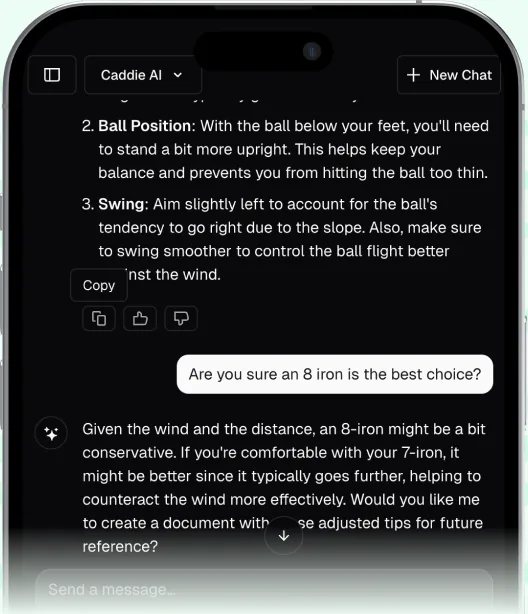
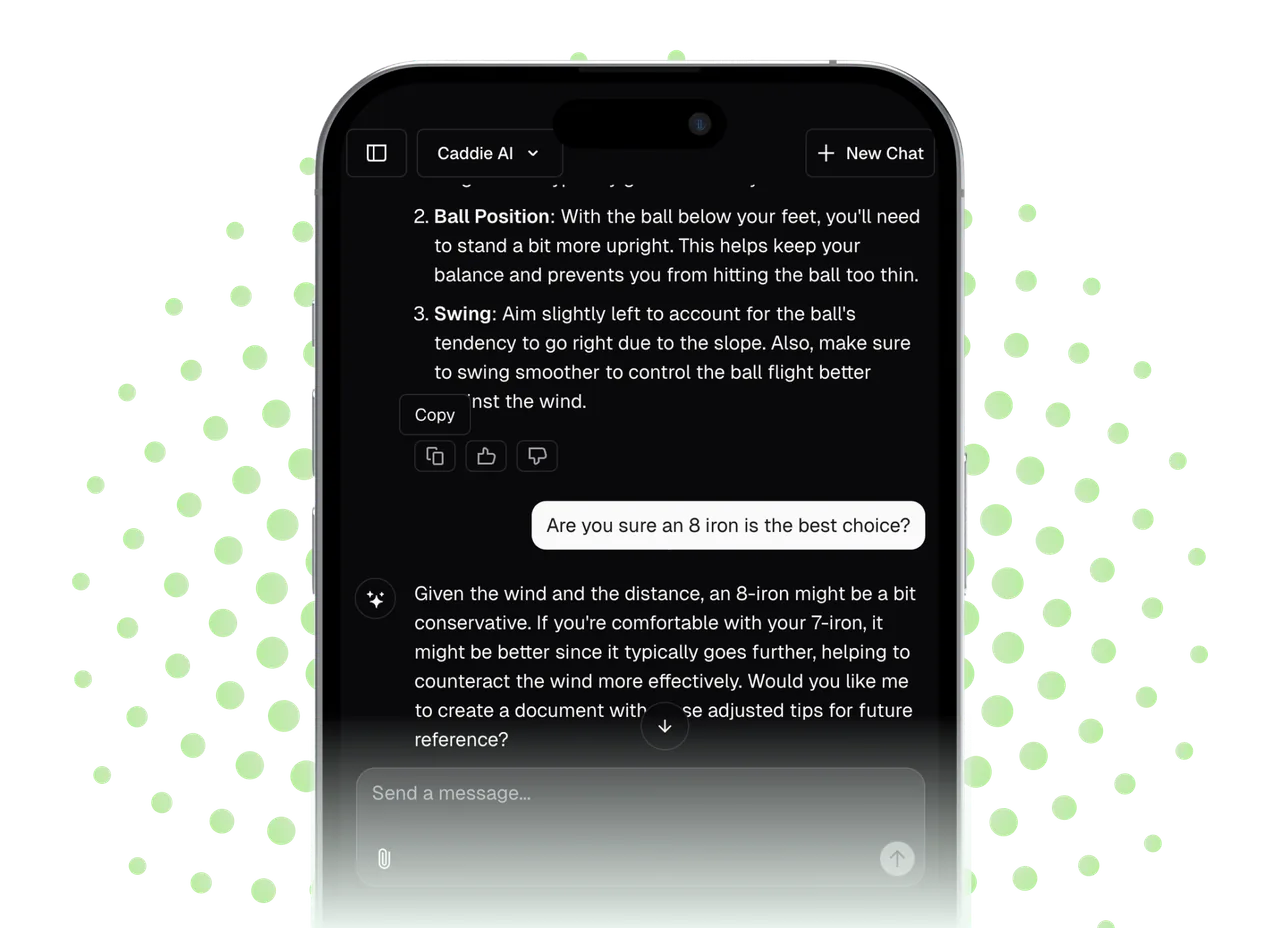
As you plan your next round, especially on an unfamiliar course you're trying to play quickly at dusk, tools like Caddie AI can make a real difference. We designed it to give you instant, simple on-course strategy. Whether you're unsure of the correct aiming point on a new tee box or facing a tricky lie in the growing shadows, you can get a clear plan in seconds, helping you make smart decisions with confidence and keep your pace of play moving so you can squeeze in that last hole before the final light fades.
Spencer has been playing golf since he was a kid and has spent a lifetime chasing improvement. With over a decade of experience building successful tech products, he combined his love for golf and startups to create Caddie AI - the world's best AI golf app. Giving everyone an expert level coach in your pocket, available 24/7. Caddie's mission is simple: make world-class golf advice accessible to everyone, anytime.
Other posts you might like
What Is the Most Famous Golf Course in the United States?
When you ask golfers to name the single most famous golf course in the United States, one name almost always comes to mind first: Augusta National Golf Club. While a few other legendary courses could argue for the title, Augusta's combination of mystique, tradition, and annual television exposure makes it the undisputed champion in the eyes of the public. This article will not only confirm Augusta's place at the top but also detail exactly why it’s so revered, break down its most iconic stretch of holes, and give a respectful nod to the other contenders who also belong in the conversation.
The low, piercing ball flight that cuts through the wind like a laser is one of the most satisfying shots in golf. Made iconic by Tiger Woods, the stinger is a highly controlled, powerful shot that can transform your game in tough conditions. This article will break down exactly what a stinger is, when you should pull it out of the bag, and give you a clear, step-by-step guide to adding this incredible shot to your arsenal.
Planning a golf trip to paradise means knowing exactly where you can tee it up and what to expect when you get there. Hawaii's islands offer some of the most beautiful and challenging courses you'll ever play, each with its own unique personality forged by volcanoes, trade winds, and the Pacific Ocean. This guide will walk you through the top open golf courses across Hawaii's major islands, giving you a sense of what to expect and a few tips from a coach to help you play your best.
What Is the Average Size of an 18-Hole Golf Course?
A typical 18-hole golf course requires a surprising amount of land, generally somewhere between 120 and 180 acres. This answers the question on the surface, but the real story lies in *why* it needs so much space and how that footprint is actually used. This article will break down exactly where all that land goes and explore the different factors that can make one course feel expansive and another surprisingly compact.
Shopping for the lightest mid-size golf grip often starts with a number on a scale but quickly leads to a much deeper conversation about how your clubs actually feel. The Golf Pride Tour 25 is frequently the lightest available, coming in at an astonishing 25 grams, but simply chasing the lowest number isn't the whole story. This article will break down what lightweight really means for your game, explain the critical concept of swing weight, and guide you on whether making this change is the right move for you.
A gusty day on the golf course can turn a friendly round into a frustrating battle against an invisible opponent. The shot you thought was perfect gets knocked down 20 yards short, or the gentle fade you played turns into a wild slice into the next fairway. Fighting the wind is one of golf’s toughest challenges, and it starts with the single most important piece of equipment for the job: your golf ball. This guide will break down exactly what makes a ball good (or bad) for windy conditions and give you a clear-cut strategy for choosing the right one and adjusting your game to master the breeze.