Planning a golf trip to paradise means knowing exactly where you can tee it up and what to expect when you get there. Hawaii's islands offer some of the most beautiful and challenging courses you'll ever play, each with its own unique personality forged by volcanoes, trade winds, and the Pacific Ocean. This guide will walk you through the top open golf courses across Hawaii's major islands, giving you a sense of what to expect and a few tips from a coach to help you play your best.
The best AI golf app: Caddie is your personal AI golf coach. Get expert-level golf advice instantly, 24/7 to help you play like a pro.
Try it free → Hawaii Golf: A Rundown of Open Courses by Island
The beauty of golfing in Hawaii is the sheer variety. You can go from a lush, parkland-style course to a rugged, links-inspired coastal track in a single day. Each island has its gems, and nearly all are open year-round, waiting for you. Here’s a breakdown of what to expect on each of the main islands.
Oahu: The Gathering Place for Great Golf
Oahu expertly blends vibrant resort life with stunning natural beauty, and its golf scene is no different. You'll find everything from championship layouts that have hosted the pros to accessible municipal courses with incredible views.
Turtle Bay Resort (Palmer Course)
Located on the famed North Shore, the Arnold Palmer course at Turtle Bay is a must-play. The front nine weaves through a beautiful natural wetland and jungle setting, demanding accuracy off the tee. But the course truly shines on the back nine, which brings you right up to the rugged, wave-battered coastline. The 17th hole, a par-4 that hugs the ocean's edge, is one of the most memorable in all of Hawaii.
Coach's Tip: On the coastal holes, the trade winds are a huge factor. Instead of swinging harder into the wind, take one or even two extra clubs and make a smoother, three-quarter swing. This keeps the ball lower, under the wind, and promotes a more solid strike. Your ego might say hit an 8-iron, but a smooth 6-iron is almost always the smarter shot here.
Ko Olina Golf Club
If you're looking for a pristine, perfectly manicured resort course, Ko Olina is it. Designed by Ted Robinson, it’s known for its stunning water features, multi-tiered greens, and fantastic course conditions. It's a very fair but challenging test that has hosted both the LPGA and the PGA Tour Champions. It’s a playable course for all skill levels, rewarding good shots and offering bailout areas if you mis-hit one.
Coach's Tip: The greens at Ko Olina are large and very pure, but they can be tricky to read. A great way to handle large, tiered greens is to break your putt into two parts. First, focus solely on getting the speed right to get the ball onto the correct tier. Second, once the speed is determined, you can focus on the line. Too many golfers try to do both at once, but separating speed and line mentally will drastically improve your lag putting here.
Waikele Country Club
This is an excellent option that offers great value and a fun, strategic layout. Designed by Ted Robinson, it overlooks Pearl Harbor and the central Oahu plains. The course is known for its rolling fairways, beautiful water features - including sparkling streams and cascading waterfalls - and a layout that keeps you thinking. It’s not overly long, putting the emphasis on accurate approach shots to its well-guarded greens.
Coach's Tip: Course management is rewarded at Waikele. On several par-4s and par-5s, the driver isn't automatically the best play. Before you pull the headcover, look at the hole layout. If there’s a lake or a series of bunkers pinching the fairway at your driver's landing distance, consider hitting a 3-wood or a hybrid. Playing for position will leave you with a more comfortable (and often flatter) lie for your second shot.
Maui: Paradise Found (and Played)
While parts of West Maui continue the long process of recovery, the world-class golf destinations in South and Upcountry Maui are open and offer some of the most dynamic golfing experiences anywhere. Expect dramatic elevation changes and awe-inspiring views.
Kapalua (The Plantation Course)
Home of the PGA Tour's "The Sentry" season opener, the Plantation Course is an epic experience. Designed by Coore and Crenshaw, it’s built on the side of a mountain and features massive elevation changes, wide fairways, and huge greens. The scale of the course is immense, and every tee box has a panoramic view of the Pacific. Hitting driver down the 677-yard, downhill 18th hole is a feeling you won’t soon forget.
Coach's Tip: With the severe downhill and uphill slopes, you will face countless uneven lies. The key is to adjust your setup. For a downhill lie, match your shoulders to the slope of the ground, play the ball slightly farther back in your stance, and take an extra club as the slope will deloft the clubface. Commit to staying down through the shot, the tendency is to lift up to try to help the ball in the air, but that leads to thin or topped shots.
Wailea Golf Club (Gold Course)
Wailea offers three fantastic courses, but the Robert Trent Jones II-designed Gold Course is often considered the most challenging of the trio. It’s a masterclass in strategic design, with numerous bunkers and a rugged layout shaped by ancient lava rock walls. It’s a thinking-person's course that demands strategy and execution, often presenting you with a clear high-risk/high-reward option on your approach shots. The conditions are always immaculate.
Coach's Tip: On a well-bunkered course like this, you have to choose your targets wisely. Don't always fire at the flag. If a pin is tucked behind a deep bunker, the smart play is to aim for the center of the green. A 25-foot putt is a much better result than being short-sided in a difficult bunker. Take your medicine, play to the fat part of the green, and trust your putting.
Kauai: The Garden Isle's Lush Links
Kauai is dramatic, wild, and impossibly green. The golf courses here feel like they were carved directly out of a jungle movie set, often featuring cliffside holes that drop hundreds of feet to the ocean below. It’s an unforgettable setting for a round of golf.
Poipu Bay Golf Course
A former host of the PGA Grand Slam of Golf, Poipu Bay runs along a rugged coastline of ancient stone heiau (places of worship) and sheer sea cliffs. For much of the front nine you play away from the coast, but then from hole 15 onward, you are right on top of the ocean. It’s a thrilling and windy finish. The trade winds are ever-present, making club selection a continuous challenge.
Coach's Tip: The final four holes at Poipu Bay are where your round is made or broken. You'll likely be hitting into or with a strong crosswind. When playing in a crosswind, don’t try to fight it. Aim your body and clubface down the side of the fairway the wind is coming from and let the wind carry the ball back to the center. It’s a more reliable shot than trying to hold a ball against the wind.
Hokuala (The Ocean Course)
If you're here for oceanfront golf, look no further. The Ocean Course at Hokuala boasts the longest continuous stretch of ocean holes in all of Hawaii - over half a mile. This Jack Nicklaus Signature design is a spectacular journey through lagoons, mango groves, and along the dramatic cliffs of Kalapaki Bay. It's challenging but fair, with several memorable holes that will stick with you long after your round.
Coach's Tip: Visual intimidation is a big factor at Hokuala. With vast areas of the Pacific Ocean waiting to claim your ball, your brain tells you to steer it away from the trouble. This is a mistake. The best way to combat fear is with commitment. Once you’ve picked your target and club, take one final deep breath, focus only on your landing spot, and make a confident swing. A tentative swing is what brings the big trouble into play.
The Big Island (Hawaii Island): Golf on a Grand Scale
Hawaii Island is a land of contrasts, from black lava fields to lush rainforests. The golf courses on the Kohala Coast are some of the most unique in the world, often featuring fairways carved directly through ancient lava flows.
Mauna Kea Golf Club
A true classic, this Robert Trent Jones Sr. masterpiece set the standard for golf in Hawaii when it opened in 1964. It’s known for its elevated greens, an army of bunkers, and challenging holes that require both power and precision. The course has been wonderfully preserved and renovated over the years, maintaining the integrity of its original design. Playing Mauna Kea feels like stepping back into a golden era of golf architecture.
Coach's Tip: The most famous hole is the breathtaking 3rd, a long par-3 over a vast expanse of Keawaiki Bay. Most players freeze here and leave the ball short. The visual trick is that there’s more room beyond the pin than it appears. The bigger mistake is being short. Take one extra club, commit to landing it comfortably on the green, and make a smooth swing. Don't let your eyes talk you out of hitting the yardage.
Hualalai Golf Course
This Jack Nicklaus design hosts the PGA Tour Champions' Mitsubishi Electric Championship every year, so you may recognize it from TV. The course gracefully winds through brilliant green fairways set against stark black lava flows before finishing right along the ocean's edge. Hualalai is resort golf at its finest - playable, stunningly beautiful, and always in pristine condition. The finishing holes are a truly spectacular conclusion to the round.
Coach's Tip: Playing off of lava rock is a unique challenge. Never try to be a hero from the lava. The rocks are unpredictable, can damage your clubs, and can cause strange bounces leading to injury. If your ball is in a lava flow, check the local rules for your options, but your best bet is typically taking an unplayable lie. The one-stroke penalty is far better than a broken wrist or a 9-iron.
Final Thoughts
Hawaii is a golfer's dream, with world-class courses open for play across every major island. From volcanic landscapes to coastal cliffs, there’s a memorable round waiting for you, and knowing what to expect is the first step to playing your best score.
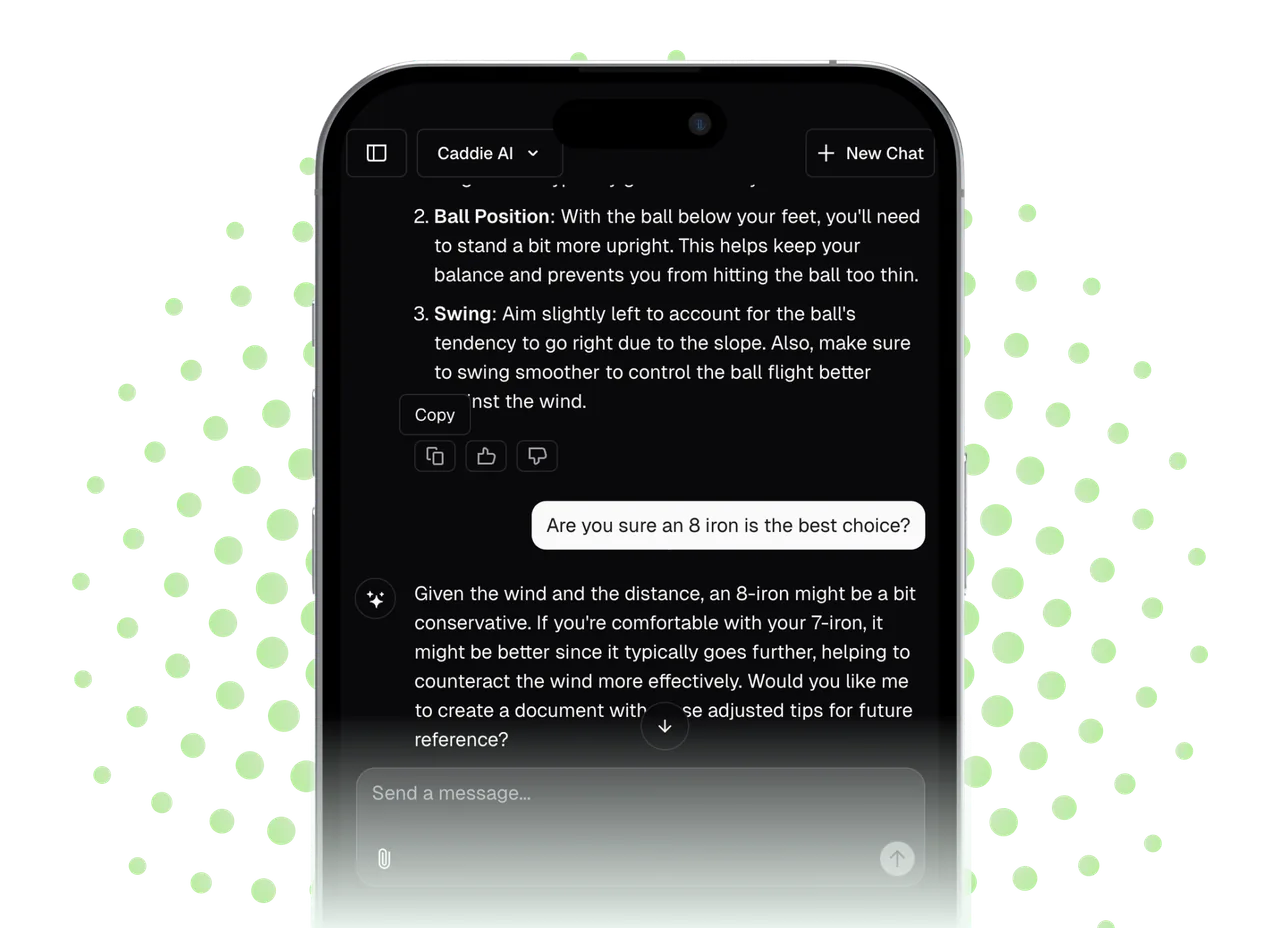
When you’re standing on a tee box, feeling the trade winds swirl as you look out at the Pacific, having complete confidence in your shot can make all the difference. That’s what our app, Caddie AI, is designed for - to be your personal caddie on these amazing courses. If you’re unsure how to play a tricky par-5 or what club to hit into an elevated green, you can get instant, smart strategy on your phone. We can even analyze a photo of your ball in a tough lie to give you a simple game plan, helping you navigate the unique challenges of Hawaiian golf so you can focus on hitting great shots and soaking it all in.