Playing Ready Golf is the single biggest thing your foursome can do to speed up play and make every round more enjoyable for everyone on the course. It’s not about rushing your shots or compromising safety, it’s about being smart and efficient with your time. This guide will walk you through exactly how to play ready golf, providing simple, actionable steps you can use on the tee box, in the fairway, and on the greens to keep things moving.
The best AI golf app: Caddie is your personal AI golf coach. Get expert-level golf advice instantly, 24/7 to help you play like a pro. Try it free →
What Exactly Is Ready Golf?
At its heart, ready golf is a straightforward agreement among players to play when they are ready, rather than strictly following the traditional order of “honors” (the player with the best score on the previous hole goes first) or “away” (the player farthest from the target plays first). It's a mindset focused on preparation and efficiency.
Instead of one player going through their entire routine while three others stand and watch, ready golf encourages multiple players to prepare simultaneously. By eliminating the dead time spent waiting, your group can easily shave 15-30 minutes off a round without ever feeling like you’re in a hurry. It swaps out wasted time for a smooth, continuous flow from one shot to the next.
The core principle is simple: if it’s your turn to hit and others are not ready, but it is completely safe for you to do so, you play your shot.
The Undeniable Golden Rule: Safety Always Comes First
Let's make this crystal clear before we go any further: ready golf is never about hitting when it’s unsafe. You never play a shot if another player is in front of you, within your potential range of fire, or if you might distract them during their swing. Communication and awareness are everything.
The goal is to play promptly and efficiently, not recklessly. A quick shout of “Hey Bill, I’ve got my number, mind if I go ahead?” is a fantastic way to keep both the pace and the peace. Ready golf only works when everyone in the group prioritizes safety and shows consideration for their fellow players. When in doubt, always wait.
Get pro-level golf advice instantly, 24/7
Ask Caddie anything. From “what club should I use?” to “how do I play this shot?” and get instant answers.
The tee box is where you can set the tone for the entire hole. Traditionally, the player with the best score on the previous hole (the “honor”) tees off first. In ready golf, this changes slightly.
Play When Ready, Not by Score: The first person in the group who is ready to hit should tee off. If the person with "honors" is busy writing down their score, checking their phone, or just taking an extra moment, there’s no need for the rest of the group to stand around. Get on the tee, get set, and go.
"Shorter Hitters First" Approach: Sometimes, it makes sense for a shorter hitter to go first, even if a longer hitter is ready. This allows the longer hitter to wait for the fairway to be clear without causing a delay for the entire group.
Hit and Then Record: A common pace-killer is tallying scores on the tee box. A better flow is to head to the tee, hit your drive, and then mark your score for the last hole while others are teeing off.
Pro Tip: Efficient Tee Box Behavior
As soon as you arrive at the tee box, figure out your strategy. Take your driver or 3-wood out of the bag, grab a tee, and have your ball ready. While player number one is hitting, player number two should be teeing up their ball. This creates a seamless chain reaction of readiness, moving your group off the tee quickly and smoothly.
Ready Golf in the Fairway
This is where ready golf makes its biggest impact. The traditional method of having the player farthest from the hole always hit first is a major source of slow play, especially if a foursome’s balls are spread out across the fairway.
Here’s how to do it in the fairway:
Walk to Your Own Ball First: Instead of everyone huddling around one player's ball, each player should walk directly to their own ball. This simple habit saves a ton of time.
Get Prepared While Others Play: While another player is preparing and hitting their shot, you should be at your ball doing your own prep work. This includes assessing your lie, calculating the yardage (using a rangefinder or walking to a sprinkler head), and selecting your club.
Hit When You're Ready (And It's Safe): If you are ready to hit and the player farthest away is not (perhaps they are waiting for the green to clear or are still choosing a club), go ahead and play your shot. The key is to be sure you are not in their line of sight or creating a distraction. A quick call-out like, "I'm ready to go here!" lets your group know your intention.
Putting It Into Practice: A Fairway Scenario
Imagine your ball is 150 yards out, and your friend's ball is 165 yards out. You get to your ball, laser the pin, and immediately decide on a 7-iron. Meanwhile, your friend is still pacing off their yardage and trying to decide between two clubs. In this situation, there’s no reason to wait. So long as you are not in your friend’s way, play your shot. By the time you've hit, your friend will likely be ready to play, and the game moves forward without a pause.
Plan every shot like a pro
Describe your situation and Caddie AI helps you pick your target, shot shape, and club with confidence.
The final stage of the hole is another massive opportunity to improve pace of play with smart, ready golf practices.
Chipping and Pitching
If someone has a tricky chip from behind a bunker and another player has a simple one from the fringe, the player with the simple shot should just go ahead and hit. Don't stand idle waiting for everyone to take their turn based on distance. Whoever can safely and quickly play their shot should do so.
Putting
Line Up Your Putt Early: Do not wait until it's your turn to start studying your line. As soon as you step onto the green, start your reads. You can analyze the break from behind your ball while others are putting. When it's finally your turn, you just need a final look before taking your stroke.
Practice Continuous Putting: This is a game-changer. If you leave your first putt a foot or two from the hole, go ahead and tap it in. Waiting to mark a six-inch putt, only to have to re-read it two minutes later, is pure inefficiency. Just make sure you are not stepping in anyone’s line when you anchor your putt in.
Manage the Flagstick: The first player to reach the green should be prepared to pull the flagstick. After everyone has putted out, the person closest to the hole should be responsible for putting it back in as they walk off the green.
Exit the Green Quickly: Once the last putt drops, leave the putting green immediately and head to the next tee. Do not stand on or next to the green to record scores - there’s plenty of time for that at the next tee box while other players are preparing to hit.
Play Golf like a Pro with Caddie
Learn and improve your golf game as you play. Get pro-level tips, strategy and guidance anytime.
Not at all. Ready golf isn't about rushing your pre-shot routine or swing. Take all the time you need for your shot. The idea is to eliminate the wasted time between shots where golfers historically stand around doing nothing. You can still take a practice swing and visualize your shot, but you do it while others are preparing, not while they're waiting on you.
“Doesn't this break traditional golf etiquette?”
Golf etiquette is about consideration for others, and what’s more considerate than playing in a way that helps everyone finish their round faster? Most modern golfers welcome ready golf. What's considered rude today is playing needlessly slow when you can be more efficient. The USGA and The R&A officially endorse and encourage recreational players to adopt ready golf to improve pace of play for everyone.
Final Thoughts
Playing Ready Golf is about being thoughtful and proactive on the course. By preparing for your shot before it's your turn and playing when ready, you can transform a slow, frustrating round into one with a smooth rhythm and better flow, all without ever compromising on safety.
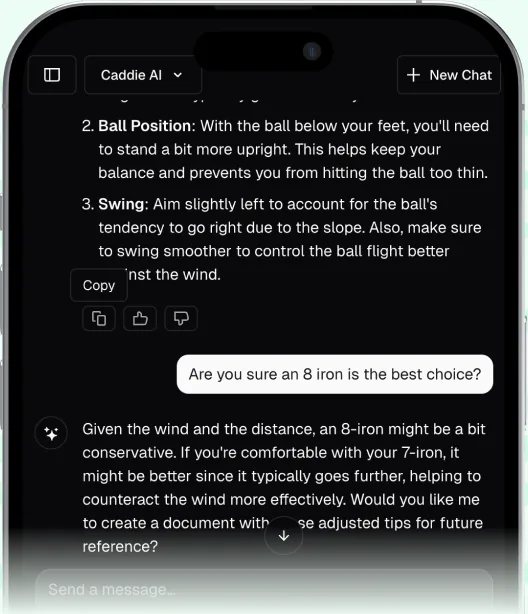
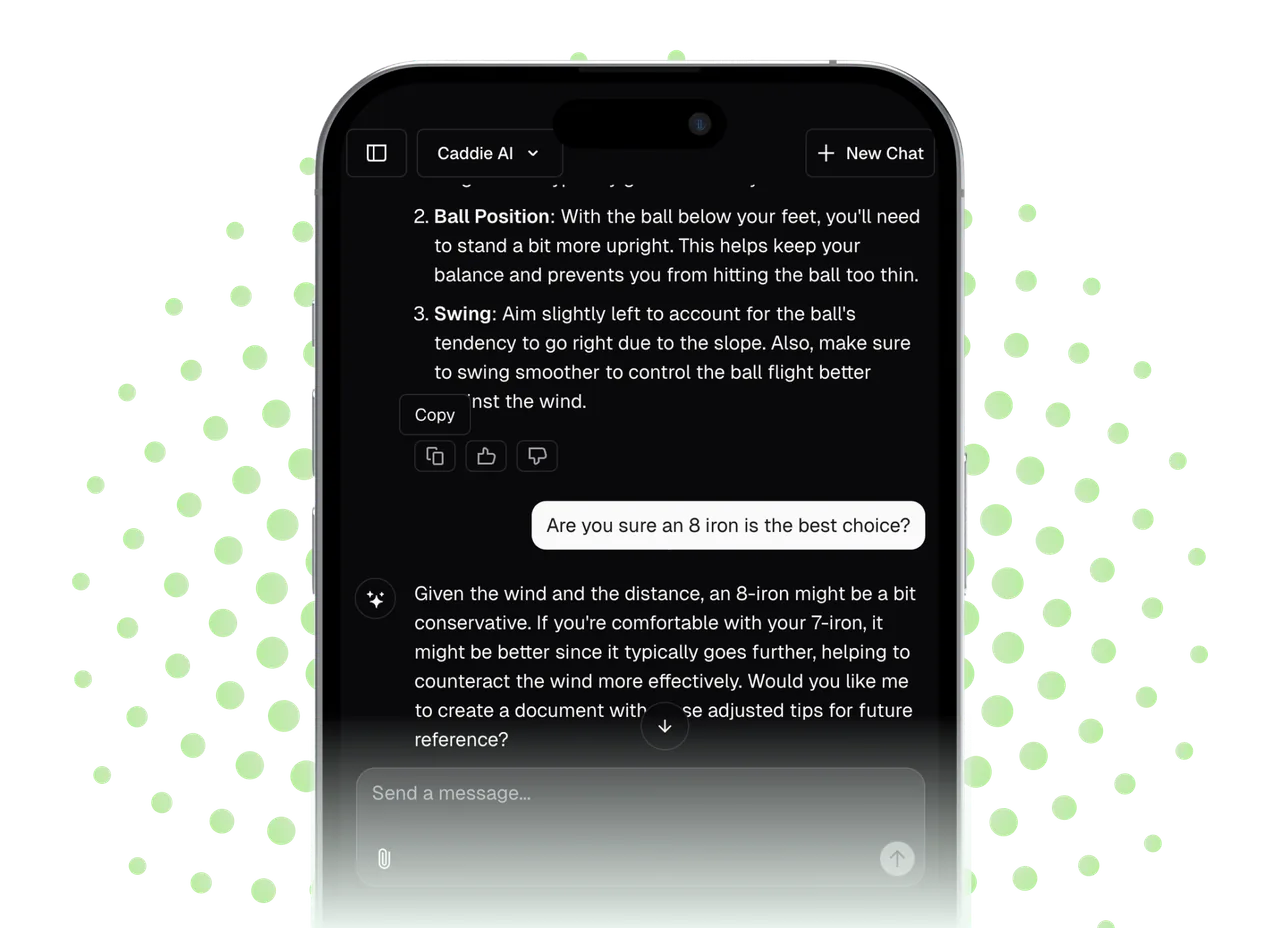
Being prepared is the core of Ready Golf, and that is what we designed our Caddie AI to help with. When you're deciding on a shot, a quick conversation can help you select the right club and a proper strategy for your shot in mere seconds. This gets rid of the indecision that so often slows down players while it's their turn, allowing you to be ready to hit as soon as it's safe.
Spencer has been playing golf since he was a kid and has spent a lifetime chasing improvement. With over a decade of experience building successful tech products, he combined his love for golf and startups to create Caddie AI - the world's best AI golf app. Giving everyone an expert level coach in your pocket, available 24/7. Caddie's mission is simple: make world-class golf advice accessible to everyone, anytime.
Other posts you might like
How to Play 666 in Golf
Ready to spice up your regular weekend foursome? The 666 golf format is one of the most entertaining ways to compete on the course, blending three different games into a single 18-hole round. This guide will walk you through everything you need to know about playing 666, from the rules of each six-hole match to the strategies that will help your team walk away with the win.
That small slip of paper the starter hands you contains one of the biggest secrets to lowering your score: the pin placement sheet. While many golfers glance at it and stick it in their pocket, understanding how to use it gives you the kind of strategic advantage that separates casual players from serious ones. This guide will walk you through exactly how to read a pin placement sheet so you can stop guessing on your approach shots and start firing at flags with confidence.
Hitting a golf shot fat or blading it thin is one of the most maddening feelings in the game. You took a great practice swing, you felt good over the ball, and then... chunk. Or scuff. Almost every time, this comes down to one single, fundamental issue: the low point of your golf swing is in the wrong place. Moving that low point is not as complicated as it sounds. This guide will walk you through what the low point is and provide simple, effective drills that will help you gain control over it for crisp, pure, ball-first contact.
Letting the clubhead go through impact is the source of effortless power and accuracy, yet for most golfers, the release feels like an elusive, complicated move. You’ve probably heard advice like release the club or turn your hands over, but this often leads to more confusion and poor shots. This guide will clear up the mystery, explaining what the release really is, common mistakes golfers make, and giving you practical drills to develop a powerful, consistent release that happens naturally.
Of all the fundamentals in your golf setup, your shoulder alignment might be the most silent killer of consistency. It’s that invisible force that can send a perfectly good swing disastrously offline before you’ve even started your takeaway. This guide will walk you through, step-by-step, how to understand, check, and master your shoulder alignment so your body is pointed exactly where your swing needs to go.
Hearing that unsettling rattle or feeling a slight twist in your iron head during a swing is a golfer's worst nightmare. Don't worry, a loose head doesn't mean your favorite club is destined for the scrap heap. This article will walk you through the entire process of how to fix a golf iron head yourself, from assessing the problem to the final, professional-looking details.