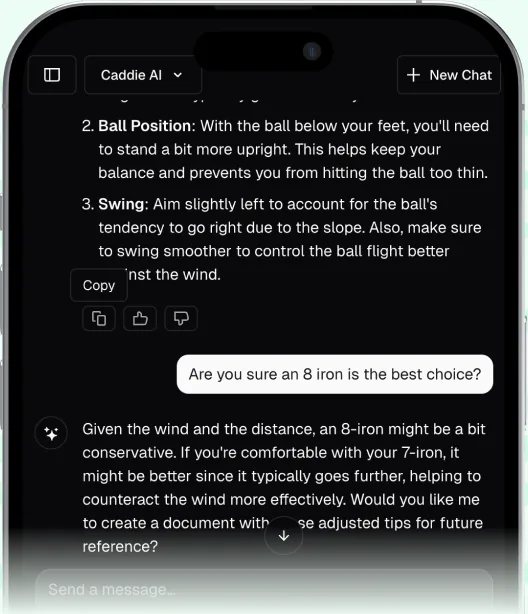
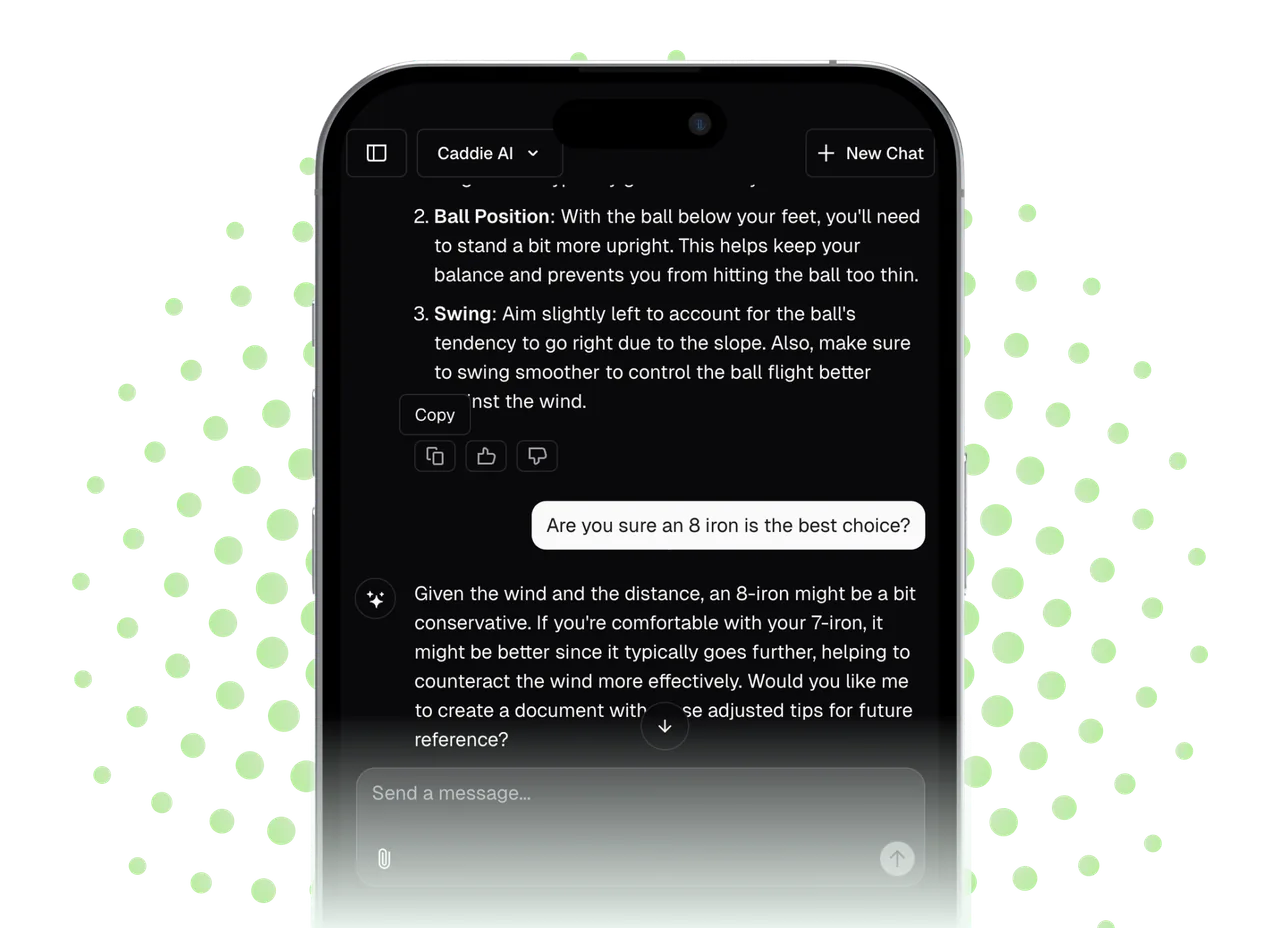
An all you can play golf deal feels like finding a golden ticket. The promise of endless golf from sunrise to sunset is enough to get any avid player excited, but without a smart approach, it can quickly turn from a dream day into a grueling marathon of fatigue and frustration. Turning this unique opportunity into a fun and productive experience requires more than just stamina, it requires a plan. This guide provides a complete strategy for preparing your body, your bag, and your mind to not just survive, but truly thrive during a golf marathon.
The best AI golf app: Caddie is your personal AI golf coach. Get expert-level golf advice instantly, 24/7 to help you play like a pro. Try it free →
Before You Go: Your Pre-Round Blueprint
The success of your "all you can play" day starts long before you step onto the first tee. Just as you wouldn’t run a marathon without preparation, you shouldn't tackle 36 or more holes on a whim. Thinking ahead will make all the difference.
Fuel and Body Prep
What you do the morning of, and even the night before, sets the stage for your endurance. Dehydration and poor energy management are an all-day golfer's worst enemies.
Hydrate Early and Often: Start hydrating the day before. On the morning of your round, drink a large glass of water before you even think about coffee. Your goal is to start the day with a fully topped-off tank.
Eat a Smart Breakfast: Skip the heavy, greasy breakfast burrito. That digests slowly and can leave you feeling sluggish. Opt for a balanced meal with complex carbohydrates for sustained energy and protein for muscle support. Think oatmeal with fruit and nuts, or eggs with whole-wheat toast.
Warm-Up Like you Mean It: A few casual swings on the range won’t cut it. Your warm-up needs to prepare your body for a long day. Focus on dynamic stretches - leg swings, torso rotations, and arm circles - to increase blood flow and mobility. Save the static (hold-in-place) stretches for after your day is done. Spend 15-20 minutes building up from short wedge shots to your driver.
Pack Your Bag for a Marathon, Not a Sprint
Your golf bag becomes your mobile base camp for the day. You need to be self-sufficient, as you might not have time to run back to the car between "rounds." Plan for changing conditions, fatigue, and the inevitable small surprises.
Footwear and Apparel: A fresh pair of socks at the halfway point can feel like a complete reset for your body. The same goes for a spare golf shirt if it's a hot or humid day. Always pack rain gear, even if an afternoon shower seems unlikely.
Nutrition and Hydration: Don't rely on the beverage cart. Pack at least two large water bottles. For snacks, bring things that provide steady energy. Trail mix, almonds, protein bars, bananas, and beef jerky are excellent choices. Avoid sugary snacks that will lead to a crash.
Golf Supplies: Double your usual allotment. Bring more golf balls than you think you’ll need - mental and physical fatigue often leads to more lost balls. Pack an extra glove, plenty of tees, and a couple of ball markers. Make sure any electronics, like a GPS watch or rangefinder, are fully charged.
Get pro-level golf advice instantly, 24/7
Ask Caddie anything. From “what club should I use?” to “how do I play this shot?” and get instant answers.
Your strategy on the course needs to evolve as the day wears on. Simply trying to play your best golf on every single shot for 8-10 hours is not a realistic or enjoyable goal. The real secret is to break the day into distinct phases, each with its own purpose.
Phase 1: Your "A" Game Round (The First 18 Holes)
This is your standard round of golf. Treat it like you would any other day you’re trying to post a good score. Don't take unnecessary risks just because you have more holes to play later. This is your chance to play your normal, disciplined game while your body and mind are still fresh.
Focus on Conservative Strategy: Play for the middle of greens. Aim for wide parts of faiways. Stay away from sucker pins. The goal is to build momentum and confidence.
Maintain Your Routine: Stick to your pre-shot routine on every single shot. This consistency will be your anchor as fatigue sets in later.
Enjoy the "Turn Shack" Wisely: After 9 and 18, it's tempting to grab a hot dog and a beer. Resist. Refuel with one of your healthy snacks and lots of water. Keep your body ready for the next phase.
Phase 2: The Practice Laboratory (Holes 19-27)
Once you’ve finished your first full round, the pressure is off. You’ve posted a score, and the "main event" is over. Now, the fun really begins. This nine-hole stretch is your live-action practice session. This is where you get incredible value out of the day.
Experiment with Different Shots: On a hole where you normally hit a 7-iron, try hitting a soft 6-iron or a hard 8-iron. Attempt that low, running chip you’ve seen on TV but never tried. If you have an awkward lie, instead of just taking your medicine, play around with how different club choices react.
Work on Weaknesses: Hitting fades all morning? Spend this stretch trying to hit a draw. Nervous about hitting driver? Pull it out on a hole where you normally hit a 3-wood. Since the score no longer matters, the fear of a bad result is gone, freeing you up to learn.
Forget the Scorecard: Don't even write down your score. The goal here is experimentation and skill development, not a number.
Phase 3: Survival and Rhythm (Holes 28 and Beyond)
By now, physical and mental fatigue are very real. Your swing mechanics may start to feel sloppy. This is not the time to be overly technical. Instead of fighting your body, the goal in this final phase is to shift your focus to tempo, feel, and efficient movement.
Shorten Your Swing: As you tire, your swing can get long and out of sync. Consciously make a three-quarter backswing with all your clubs. You'll sacrifice a little distance but gain a massive amount of control and solid contact.
Focus on Rhythm: Forget complex swing thoughts. Pick one simple piece of a song or a mantra like "smooth and through" and let that guide your tempo. This external focus calms the mind and lets muscle memory take over.
Play by Feel: Trust your instincts. Don't over-analyze the shot. Walk up, see the target, feel the swing you want to make, and go. You’ll be surprised how well you can play when you get out of your own way, especially when you’re tired.
Plan every shot like a pro
Describe your situation and Caddie AI helps you pick your target, shot shape, and club with confidence.
When you finally walk off the last green, your day isn’t quite done. What you do in the 24 hours after your golf marathon can solidify the lessons learned and help your body recover properly.
Document Your Learnings
While fresh in your mind - maybe sitting in the clubhouse with a well-deserved drink - take a minute to jot down some notes on your phone or a scorecard.
What "experiments" from Phase 2 actually worked or felt good?
What did you learn about your swing tendencies when you were tired in Phase 3? Sometimes fatigue reveals our true, most natural swing path.
What was your best decision of the day? Your worst?
These notes are gold. They represent real-world feedback from a day that put your entire game under a microscope.
Refuel and Recover
Your body needs a little TLC after a day like this. As soon as you finish, start rehydrating immediately. Have a meal that's rich in protein to help repair muscle tissue and complex carbs to replenish your energy stores. And don't forget to stretch. A gentle, 10-minute session focusing on your back, hips, and shoulders will go a long way in preventing stiffness the next day.
Play Golf like a Pro with Caddie
Learn and improve your golf game as you play. Get pro-level tips, strategy and guidance anytime.
An all-you-can-play day is more than just a chance to get a lot of golf for your money, it’s a unique laboratory for your game. By managing your energy, breaking the day into strategic phases, and intentionally practicing on the course, you transform a grind into one of the most fun and productive days you can have as a golfer.
During a long day on the course, mental mistakes often cost more strokes than physical ones. When fatigue sets in, it becomes hard to make the right tactical decisions or choose the right club. That is exactly where Caddie helps. As your AI caddie, I give you instant, clear, straightforward strategy advice on every shot, helping you work through any situation when you are too tired to think it through. My job is to take the extra mental load off you and help you avoid costly mistakes, so you can commit to every shot with confidence, even on the 36th hole of the day. Want to play smarter, not harder? Try Caddie AI.
Spencer has been playing golf since he was a kid and has spent a lifetime chasing improvement. With over a decade of experience building successful tech products, he combined his love for golf and startups to create Caddie AI - the world's best AI golf app. Giving everyone an expert level coach in your pocket, available 24/7. Caddie's mission is simple: make world-class golf advice accessible to everyone, anytime.
Other posts you might like
Can You Get Golf Grips Off Without Cutting Them?
Thinking about saving that brand-new grip you just installed crooked? Or maybe you want to salvage a favorite grip for a backup club? You absolutely can get golf grips off without reaching for the hook blade. While cutting is certainly the fastest method, learning to remove a grip intact is a fantastic skill for any golfer who enjoys tinkering with their equipment. This guide will walk you through the two most effective methods for saving your golf grips, step-by-step.
Yes, you can absolutely trade in your old golf shafts, and it’s a smart way to help pay for an upgrade that fits your swing. Getting the right shaft is one of the most effective equipment changes you can make, but premium an options don't come cheap. This guide will walk you through exactly where to trade in your shafts, what drives their value, and how to get the most money back for them.
Standing on the tee box in a high school golf match with a laser rangefinder can feel a bit like a superpower, but is it actually legal? This question pops up constantly for competitive junior golfers, coaches, and parents. This article gets right to the answer, explaining the official rules, what to watch out for, and how you can turn a simple distance-measuring device into your biggest strategic advantage on the course.
You’ve hit a perfect drive, splitting the fairway. As you walk up to your ball, you see it’s sitting pristine on a perfect lie, but it’s covered in a bit of mud from its landing. Your first instinct is to reach down, pick it up, and give it a wipe. But can you? This is one of the most common questions in golf, and the answer isn't a simple yes or no. This article will walk you through exactly when you can and, more importantly, when you can't touch your golf ball on the fairway, so you can play with confidence and follow the rules.
The urge to play golf tomorrow morning just hit, and now you’re scrambling, wondering where you can book a tee time on such short notice. This isn’t an uncommon problem, the spontaneous desire for a round of golf is something every player understands. This guide will walk you through the most effective methods for finding and booking a last-minute round, giving you practical strategies that work, from the best online tools to some old-school tactics that a lot of golfers forget.
Using a wire brush on your golf clubs seems like a simple yes or no question, but the real answer is a bit more nuanced. The short answer is yes, sometimes, but it completely depends on which brush you use, which club you're cleaning, and which part of the club you're scrubbing. This guide will walk you through exactly when to reach for that wire brush, when to keep it far away from your equipment, and how to get every club in your bag perfectly clean without causing any damage.