Playing a round of golf under a blanket of stars is no longer just a daydream for the dedicated golfer. As work and life fill our daylight hours, the idea of a twilight or nighttime round becomes incredibly appealing. This guide breaks down exactly how you can play golf at night, covering everything from professional floodlit courses to creating your own glowing game with friends.
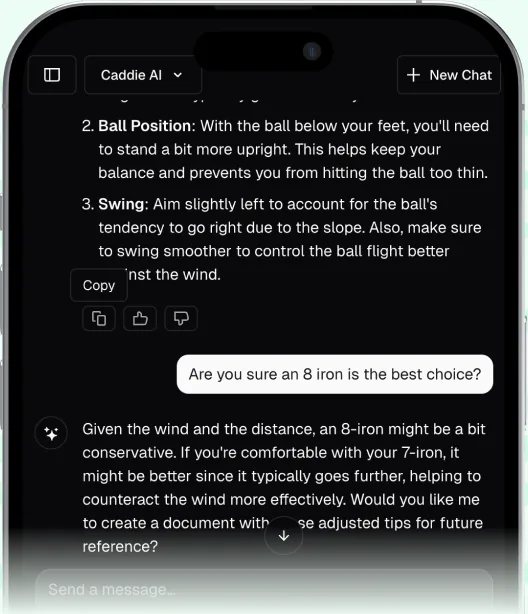
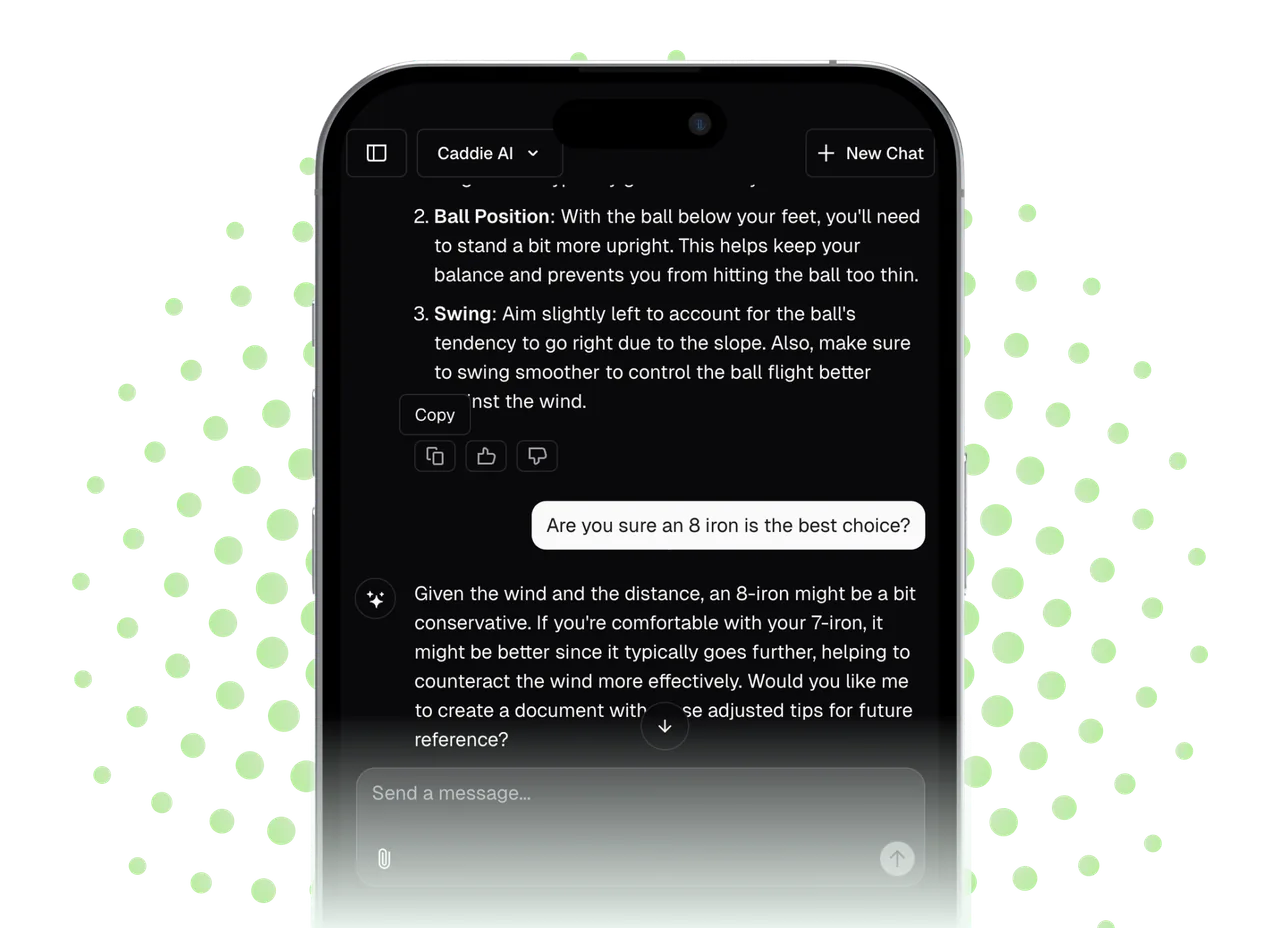
The best AI golf app: Caddie is your personal AI golf coach. Get expert-level golf advice instantly, 24/7 to help you play like a pro. Try it free →
Floodlit Courses: The Premium Night Golf Experience
The most straightforward way to golf after sundown is by visiting a course specifically designed for it. These facilities use powerful, stadium-style floodlights to illuminate the fairways, greens, and tee boxes, creating a truly unique and official golfing environment. While not as common as standard courses, the number of lit courses is growing, especially in warmer climates where cooler evening temperatures are a major draw.
What to Expect From a Floodlit Course
Playing under the lights is a different atmosphere altogether. The air is often still and quiet, save for the rhythmic hum of the generators and the crisp sound of your iron striking the ball. Here’s a breakdown of the experience:
The Vibe: It’s serene and focused. With your vision narrowed to the pools of light on the course, many of the daytime distractions fade away. It feels like you're playing in your own private golf stadium.
Visibility: Modern lighting systems are excellent. They can make the fairway look as clear as day, eliminating shadows and highlighting the contours of the green. However, depth perception can still be a challenge. Gauging the distance to a far-off pin or the severity of a drop-off can feel different than it does in daylight.
Playability: These courses are usually Par-3 or shorter executive courses. Lighting a full-length, 7,000-yard championship course is a massive undertaking, so most night golf operations focus on 9-hole loops or shorter layouts that are perfect for a fun, casual round.
Tips for Playing on a Floodlit Course
To make your first round under the lights a success, keep a few adjustments in mind. Think of it like a new set of course conditions you need to get used to.
Trust Your Yardages: Your eyes can play tricks on you in the dark. A pin that looks 100 yards away might actually be 120. Use a rangefinder or check the sprinkler heads for accurate distances, and trust the number over what your brain is telling you. A lack of visual context can make you second-guess yourself, but the yardage doesn't lie.
Take More Club and Swing Smoothly: With altered depth perception, a common mistake is to try and force a shot. Instead, it's often better to take one extra club than you normally would and make a smooth, controlled 80% swing. This creates more consistency and helps you avoid the big miss that’s even harder to find in the rough at night.
Practice a Few Putts:Putting on illuminated greens is a distinct experience. The way the shadows fall from the artificial light can exaggerate or flatten the breaks. Spend a good ten minutes on the practice green to get a feel for how the light affects your reads before you tee off.
Get pro-level golf advice instantly, 24/7
Ask Caddie anything. From “what club should I use?” to “how do I play this shot?” and get instant answers.
What if there’s no lit course near you? Don’t worry. With a little preparation and the right gear, you can turn your local course (with permission!) or even a large, safe, open field into a personal night golf arena. This is all about using glow-in-the-dark and LED equipment to light your way.
The Essential Gear for Glow Golf
Setting up a DIY round is surprisingly simple once you have the right inventory. This is perfect for a fun scramble with friends.
LED Balls: These are the best option. They contain a small-impact activated LED light and battery. Once you hit them, they light up for about 5-8 minutes, glowing brightly like a tracer in the night sky. They are easy to find and reusable for many rounds.
Phosphorescent Balls: These are the "old-school" glow balls that you have to "charge" with a UV flashlight or a bright camera flash before each shot. They're cheaper but lose their brightness fairly quickly and are harder to track on longer shots.
Markers for Tee Boxes and Hazards: You can use glow sticks, small LED lanterns, or reflective tape to outline the teeing area. It’s also a smart idea to place markers near any hazards like bunkers or water to keep everyone safe.
Flagstick and Hole Illuminators: A simple glow stick taped to the flagstick works well. For a better solution, you can find purpose-built LED markers that drop into the cup or clip onto the pin, lighting up the entire area around the hole so you know where you’re aiming.
Personal Lighting: A headlamp is incredibly useful for navigating between shots, finding your bag, and seeing your feet during your setup. A powerful UV flashlight is also a must-have if you’re using phosphorescent balls.
How to Set Up and Play Your Glow Golf Round
Once you have your gear and permission from the course superintendent, here's a step-by-step approach to a fun night out.
Plan Your Course: Stick to a shorter loop of 3-6 holes. Par 3s are ideal. It’s easier and safer to manage a smaller, well-lit area than to try and cover the whole front nine.
Mark Everything First: Before it gets completely dark, head out and set up your markers. Place your tee box lights, your hazard warnings, and your cup/flagstick illuminators. It's much easier to do this with some daylight left.
Stick to a Fun Format: Night golf is more about the experience than shooting your personal best. A two- or four-person scramble is perfect. It keeps the pace of play going, reduces the pressure of losing a ball, and adds to the teamwork and fun.
Prioritize Safety: Never hit until you are 100% certain the group ahead is out of range. The most important rule of DIY night golf is to always know where everyone in your group is. Shouts of "Fore!" become even more important.
Plan every shot like a pro
Describe your situation and Caddie AI helps you pick your target, shot shape, and club with confidence.
High-Tech Night Golf: Entertainment Venues and Simulators
There's a third, modern way to golf at night that ditches the traditional course entirely. This category merges golf with technology and entertainment, creating a social and accessible experience for players of all levels.
Topgolf and Similar Venues
Places like Topgolf, Drive Shack, and BigShots Golf have reinvented the driving range. They offer a climate-controlled, multi-level facility where you hit microchipped golf balls into giant, illuminated targets on a field. It’s part golf, part bowling, and part sports bar.
This is a fantastic way to golf at night because it removes many of the challenges. You don't have to walk or find your ball. The atmosphere is energetic and social, with music, food, and drinks brought directly to your hitting bay. While it's not a "real" round of golf, it's a great way to swing the club, compete against friends in various points-based games, and enjoy the game in a low-pressure environment after dark.
Indoor Golf Simulators
For the purist who wants to play a full 18 holes at Pebble Beach or St Andrews at 10 P.M., indoor golf simulators are the answer. These high-tech setups use advanced launch monitors and massive screens to replicate the experience of playing a real round of golf.
One of the biggest advantages is the data. You get immediate feedback on every shot: clubhead speed, ball speed, launch angle, spin rate, and carry distance. This is an incredible tool for game improvement. You can play a round in about an hour, regardless of the weather or time of day, making it an extremely efficient and effective way to practice or play at night.
Play Golf like a Pro with Caddie
Learn and improve your golf game as you play. Get pro-level tips, strategy and guidance anytime.
Golfing at night has evolved from a rare novelty into a genuinely accessible way to enjoy the sport. Whether you are playing under the professional lights of a dedicated course, creating your own glow-ball adventure with friends, or enjoying a high-tech simulator, there are more ways than ever to get your swings in after the sun goes down.
Playing in the dark can introduce new uncertainties - judging distances, choosing the right club for an unclear shot, and navigating lies you can't see perfectly. When you're facing those tricky situations on the course, we built Caddie AI to be your trusted partner. You can get instant, smart advice right in your pocket on club selection or how to play a tough shot, taking the guesswork out of the game so you can play with more confidence, day or night.
Spencer has been playing golf since he was a kid and has spent a lifetime chasing improvement. With over a decade of experience building successful tech products, he combined his love for golf and startups to create Caddie AI - the world's best AI golf app. Giving everyone an expert level coach in your pocket, available 24/7. Caddie's mission is simple: make world-class golf advice accessible to everyone, anytime.
Other posts you might like
Can You Golf in Tennis Shoes?
So, you’re ready to hit the links and find yourself staring at your closet, wondering if your trusty tennis shoes will pass muster on the golf course. The simple answer is yes, you absolutely can golf in tennis shoes, especially if you’re new to the game, playing a casual round, or just visiting the driving range. This article will walk you through when it's okay, the real differences between your trainers and true golf shoes, and practical advice for making it work so you can swing with confidence.
Playing a round on a course you’ve only seen on TV is a dream for most golfers, but it’s more accessible than you might think. Many of the world's most spectacular and highly-ranked courses are open to the public. This guide will walk you through some of the absolute must-play Top 100 courses and, more importantly, give you a coach’s advice on how to prepare your game and your mind to fully enjoy the experience.
Thinking about regripping your own golf clubs? The short answer is yes, you absolutely can, and it's one of the most satisfying and cost-effective DIY jobs a golfer can learn. This isn't some complex task reserved for a back-room club builder. With the right tools and a little bit of patience, you can give your entire set a fresh feel in an afternoon. This guide will walk you through exactly why you should, what you'll need, and a complete step-by-step process to do it right the first time.
Tossing your grass-stained, muddy golf shoes into the washing machine can feel like a tempting quick fix after a soggy round. The main question is, will it destroy them? The short answer is: maybe not. For many modern synthetic shoes, the washing machine can be an option, but you have to do it exactly right. This guide will walk you through the entire process, covering which shoes can handle a wash, a step-by-step cleaning tutorial, and the safest way to clean those premium leather shoes you’d never dream of submerging.
Scottie Scheffler uses Golf Pride Tour Velvet 58 Round grips on his irons and woods, but a custom, milled pistol grip on his famous Logan Olson putter. This article breaks down exactly what he uses, why he uses them, and how you can apply the same logic to choose the best grips for your own game.
A crusty, sweat-stained golf glove feels like a lost cause, destined for the bin. But before you toss it, know this: you can absolutely clean it and bring it back to life. Washing your glove not only saves you money but also restores that soft, grippy feel essential for a confident hold on the club. This guide will show you exactly how to wash any type of golf glove - from delicate cabretta leather to durable synthetics - and provides simple tips to make it last longer.