The short answer is: sometimes, but probably not the way you're hoping. Trying to walk onto a busy weekend course with five players is almost always a non-starter, but that doesn't mean it's impossible. This article breaks down the official rules versus the on-course reality, when and where you might get the green light for a fivesome, and most importantly, the high-speed etiquette you need to master so you don't become the most hated group on the course.
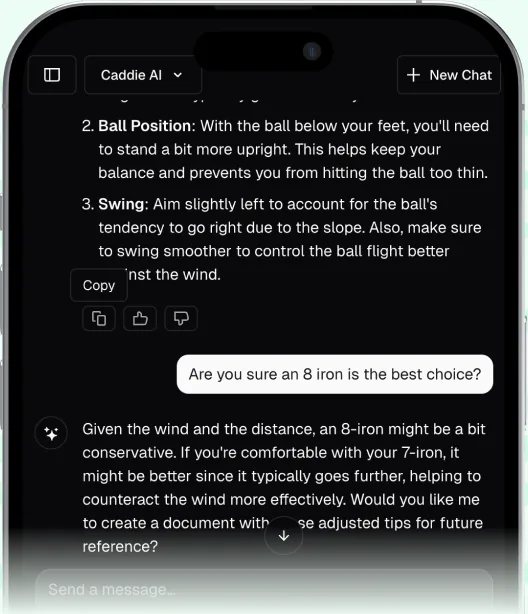
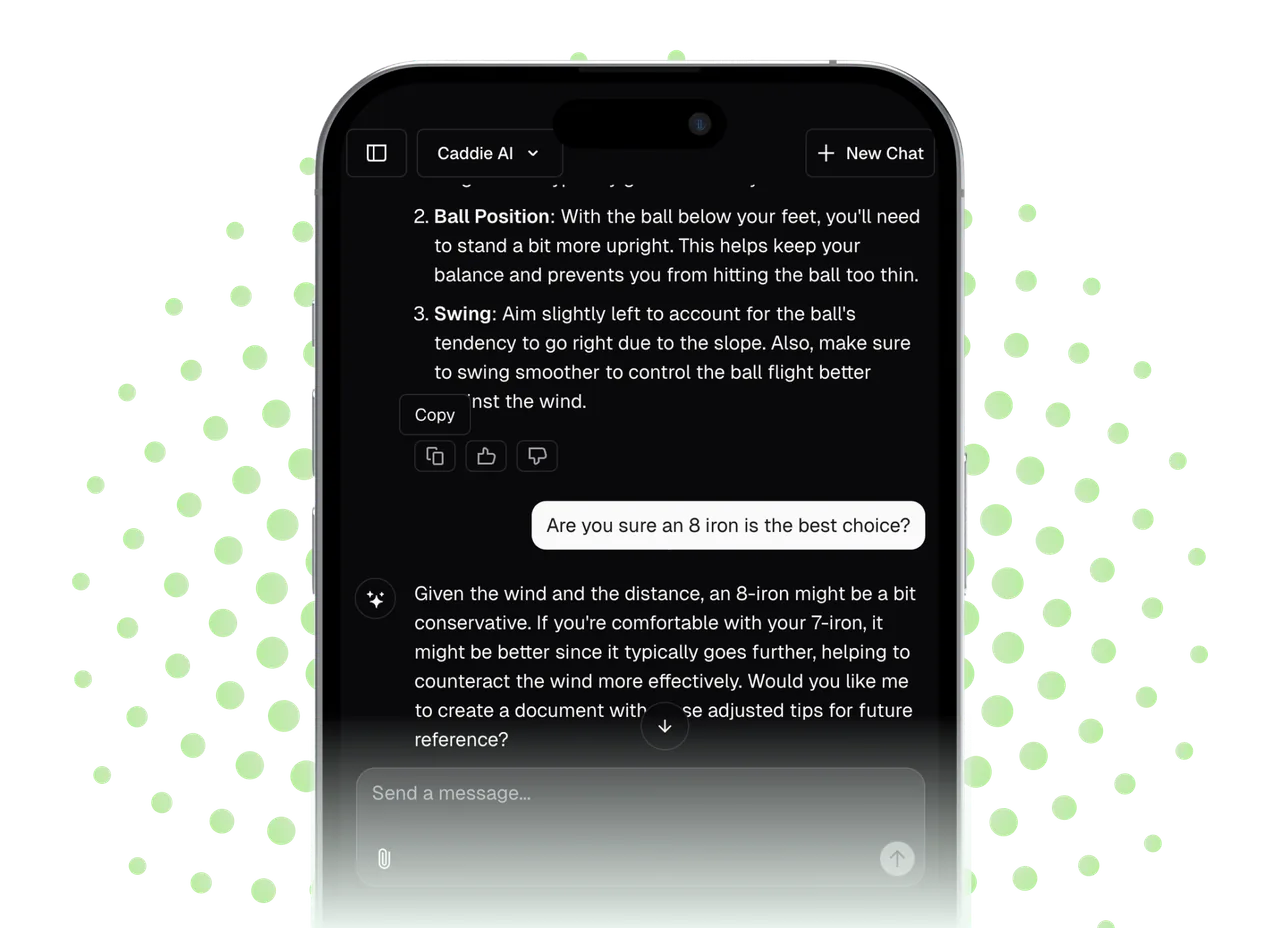
The best AI golf app: Caddie is your personal AI golf coach. Get expert-level golf advice instantly, 24/7 to help you play like a pro. Try it free →
The Official Rules vs. The Real World
First, let's get the official business out of the way. The Rules of Golf, specifically Rule 5.4, state that in stroke play, players are expected to play in groups of three or four. The Committee at a club or a tournament can set the number of players in a group. Nowhere in the official rules will you find an endorsement for a 5-ball. The reason from a competition standpoint is simple: it slows down play and makes marking and verifying scores more complicated.
However, golf isn't always played under tournament conditions. Most of us are playing for fun, and that's where reality becomes a bit more flexible. We've all been in that situation: you have a regular foursome, and a fifth friend is in town and wants to play. Do you really tell them no? For most golf courses, the answer comes down to one thing: pace of play. The pro shop's biggest fear is a five-player group grinding the entire golf course to a halt. It can create a frustrating domino effect, backing up every group behind them and leading to a long, unpleasant day for everyone. Because of this, the default answer is almost always "no."
But with the right approach and in the right circumstances, that "no" can occasionally become a "yes."
Get pro-level golf advice instantly, 24/7
Ask Caddie anything. From “what club should I use?” to “how do I play this shot?” and get instant answers.
A Quiet, Empty Course: At 2 p.m. on a peaceful Tuesday afternoon when you’re the only car in the lot, you have a fighting chance. If there's no one in front of you and no one for miles behind you, the "pace of play" argument loses its teeth.
Charity Scrambles and Outings: These events often operate outside the normal club rules. Formats like scrambles are inherently faster, and organizers are more focused on fun and fundraising than on strict adherence to protocol. It's not uncommon to see 5-person or even 6-person teams in a friendly fundraising scramble. If it's a designated outing, just check the event's rules.
Private and Semi-Private Clubs (for Members): Some private clubs are more lenient with their members, especially during non-peak hours. They know their members and might trust a specific group to keep up the pace. This is a privilege built on reputation - don’t abuse it.
Executive or Par-3 Courses: These shorter courses naturally play faster. A 5-ball is still not a given, but a friendly check-in with the starter on a slow day might get you the thumbs-up, as the risk of a major backup is lower.
Playing a Two-Ball and Three-Ball Together: This isn't technically a 5-ball, but it achieves the same social goal. One group plays as a threesome, the other as a twosome, teeing off back-to-back. You can meet on the greens and chat between holes. The course sees it as two separate, properly sized groups, and you all still get to spend the day together.
Plan every shot like a pro
Describe your situation and Caddie AI helps you pick your target, shot shape, and club with confidence.
If you get the green light, congratulations. Now the real work begins. Your group is officially under the microscope, and your mission is to be so efficient that nobody even notices you’re a fivesome. Follow these commandments, and you just might be invited back.
1. Always Ask for Permission First
This is the golden rule. Never, ever just show up and expect to play as a fivesome. Call the pro shop well in advance. Don't call 10 minutes before your tee time. Explain the situation politely. Something like, "Hey, we have a tee time at 3 PM. It looks pretty open then. We've got five guys, would it be possible to play as a group? We're all fast players and promise to keep pace." The worst they can say is no. Just assuming it's okay is the fastest way to get on a club's bad side.
2. Master Pace of Play Etiquette
Play Ready Golf: Forget about honors. As soon as you get to your ball and it's safe to hit, you hit. The first person ready on the tee box goes. The last person to hole out on the green should head straight for the next tee and hit their shot while others are finishing.
Take Two or Even Three Carts: Spreading out allows players to get to their balls much faster. Player A can head to their ball on the left side of the fairway while Player B drives to theirs on the right. No one should be waiting for someone else’s pre-shot routine to get to their own ball.
Plan Ahead: Get your yardage and choose your club while other players are hitting. When it’s your turn, you should be ready to step up and swing almost immediately.
Be Strict with Lost Balls: A 5-person search party is a pace-of-play killer. The rule is three minutes, but for a fivesome, it should feel more like one minute. If you can't find it quickly, drop a ball and move on.
Pick Up When You’re Out of a Hole: If you're playing for fun and you've already hit a triple bogey, there's no need to grind out that final 4-foot putt. Pick up your ball, enjoy the walk, and help a friend line up their putt. Consider an alternative format like a mini-scramble or a 2- vs. 3-best ball to naturally speed things up.
3. Be Proactive About Letting Others Play Through
This willingness to let others play through will build a ton of goodwill for your group. Be aware of who is behind you. If a quick foursome, threesome, or twosome appears behind you and has to wait on any shot, you should immediately offer to let them pass. Don't wait for them to ask. Find a good spot, like the tee box of a par 3, and signal for them to come on through. Your whole group should step aside. Just grab a drink, enjoy the view, and let them pass. It’s polite and it keeps the course flowing smoothly. It lets everyone know you're respectful of their time.
Play Golf like a Pro with Caddie
Learn and improve your golf game as you play. Get pro-level tips, strategy and guidance anytime.
To keep a good relationship with the local golf courses, you also need to know when to just accept that it isn't worth asking.
Peak Weekend Mornings: Friday to Sunday from 8 a.m. to noon is sacred turf. Courses are packed, tee sheets are full, and there’s zero flexibility. Don't.
On Vacation at a Famous Resort: You're not going to get a fivesome at Pebble Beach. It's simply part of the experience.
Any Time Pace of Play is Enforced: If a course has a ranger who is active and talking to groups about their pace, that's a clear signal they take timing very seriously. Don't add another variable to that equation. If you follow protocol right from the start, you build a good rapport with the local courses. This means you might get the benefit of the doubt, or even occasionally get a yes when asking in the future.
Navigating course rules and optimizing your group's strategy to keep up the pace can be tough, especially with five players. That’s where smart, in-pocket help from Caddie AI can keep everyone moving smoothly.
Spencer has been playing golf since he was a kid and has spent a lifetime chasing improvement. With over a decade of experience building successful tech products, he combined his love for golf and startups to create Caddie AI - the world's best AI golf app. Giving everyone an expert level coach in your pocket, available 24/7. Caddie's mission is simple: make world-class golf advice accessible to everyone, anytime.
Other posts you might like
Can I Golf in Maryland?
Thinking about hitting the links in the Old Line State? The short answer is yes, you absolutely can, and you’re in for a treat. Maryland offers a surprisingly diverse and high-quality golf scene that presents unique shots and challenges from the Atlantic coast to the Appalachian Mountains. This guide will walk you through the best times to play, the different styles of courses you'll find, and some practical coaching advice to help you score well on your Maryland golf adventure.
The short answer is yes, you can absolutely golf in New Jersey. The better answer is that you <em>should</em>. The Garden State is one of America's most underrated but deeply historic golf destinations. This article will walk you through the full NJ golf experience: when to play, what to expect from the courses, and how to adapt your game to score well here year-round.
Ever found your ball in a truly awful spot, tucked so close to a tree or a thick bush that your only option seems to be gripping down onto the cold, hard metal of the shaft? It’s a moment of improvisation that most golfers face eventually. In this guide, we'll cover what the Rules of Golf actually say about this move, break down the specific situations where it might make sense, and teach you how to play the shot if you ever need to get out of serious trouble.
Thinking you can just nudge your golf ball out of a bad spot to give yourself a better look? Well, the straightforward answer is no, you can't just move your ball to improve its lie whenever you feel like it. But golf is a game of rules and nuances, and understanding them is the first step to shooting lower scores. This article will show you the specific situations where the Rules of Golf actually *do* allow you to get relief from a bad lie, and more importantly, teach you the techniques to confidently play the ball as it lies when you have no other choice.
Thinking about playing golf in Michigan? The short answer is a resounding yes. You’ll find some of the most stunning, challenging, and memorable courses in the entire country here. This post will walk you through exactly when to plan your trip, where to find the state’s best golf experiences, and give you some actionable coaching advice to help you play well on these spectacular Great Lakes layouts.
The quest for hitting the golf ball farther is as old as the game itself, but uncovering who truly hits it the absolute farthest takes us into a special world of athletic specialization. This article will separate the long-hitters on the PGA Tour from the dedicated long-drive champions and, most importantly, break down the mechanics they use so you can start adding explosive power to your own drives.