A great pair of leather golf shoes is an investment in your comfort, your stability, and your style on the course. To get the most out of that investment, you need to show them a little love. Don't worry, it's not complicated. This guide breaks down everything from the simple, non-negotiable post-round routine to the deeper conditioning that will keep your leather shoes looking and performing their best for many seasons to come.
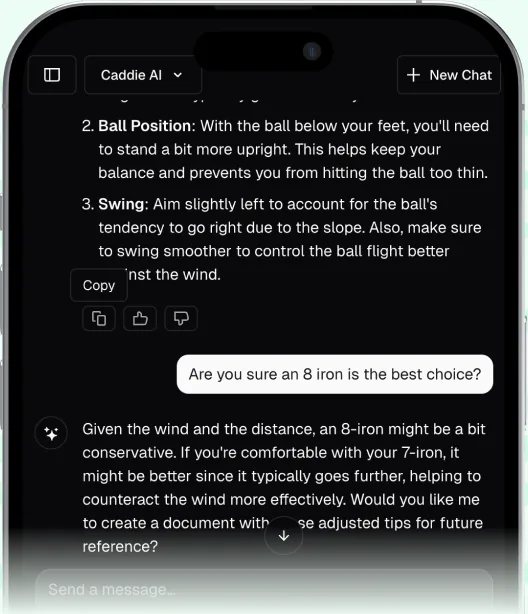
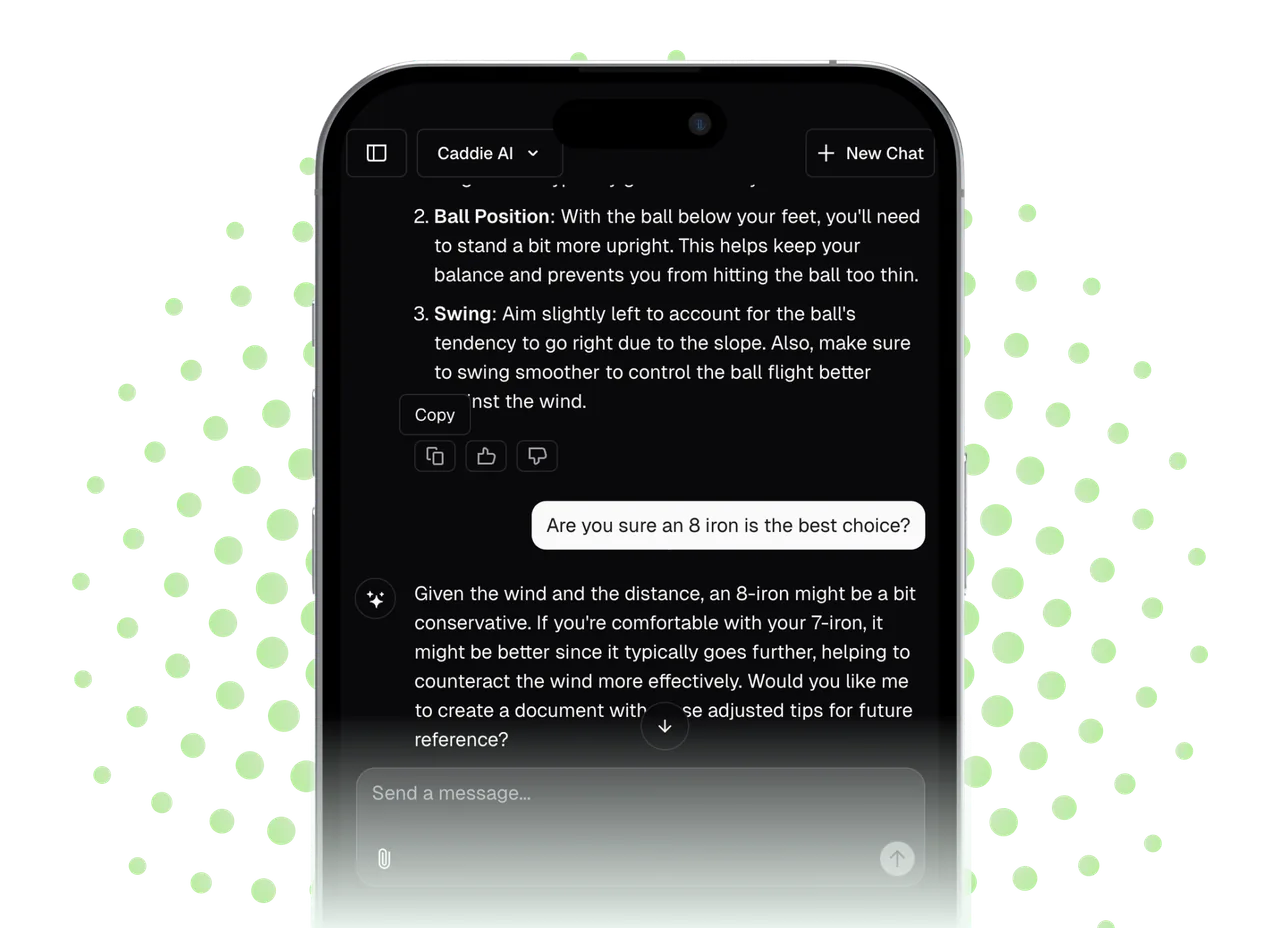
The best AI golf app: Caddie is your personal AI golf coach. Get expert-level golf advice instantly, 24/7 to help you play like a pro. Try it free →
Why Your Leather Shoes Deserve the Attention
Before we get into the "how," let's quickly touch on the "why." Unlike many synthetic alternatives, leather is a natural material with remarkable qualities. It breathes, helping to keep your feet cooler and drier during a long walk. Over time, it molds to the unique shape of your foot, creating a custom fit that's unbeatable for comfort. A well-maintained leather shoe also provides a solid, stable platform that’s essential for a powerful golf swing. Taking care of them isn't just about looks, it's about preserving the performance, comfort, and durability you paid for.
Get pro-level golf advice instantly, 24/7
Ask Caddie anything. From “what club should I use?” to “how do I play this shot?” and get instant answers.
You don't need a professional-level cobbler's setup. A few simple items are all it takes to build a complete leather care kit. Having these ready will make the process quick and easy.
Cedar Shoe Trees: This is the single most important item you can buy. Not plastic ones, specifically cedar. They absorb moisture from the inside out and help the shoes hold their proper shape as they dry.
A Soft-Bristled Brush: A dedicated shoe brush (horsehair is excellent) is perfect for safely whisking away loose dirt and dried mud without scratching the leather.
Multiple Microfiber or Cotton Cloths: You’ll want at least two - one for cleaning and one for applying conditioner and polish. Old t-shirts work great for this.
Gentle Soap or Leather Cleaner: A saddle soap or a cleaner specifically formulated for leather is ideal. In a pinch, a mild soap like Dawn, heavily diluted in water, can work. For more detailed instructions, see how to clean leather golf shoes.
Leather Conditioner: Think of this as moisturizer for your shoes. It replenishes the natural oils in the leather, keeping it soft, flexible, and preventing it from drying out and cracking.
Waterproofing Treatment: This can be a wax-based polish or a silicone-based spray. It creates a barrier that repels water, which is a must for those early morning, dew-covered rounds.
Spike Wrench and Replacement Spikes: Essential for maintaining grip and stability.
The Post-Round Routine: Your 5-Minute Habit for Longevity
What you do in the 10 minutes after your round makes the biggest difference. Make this a habit, just like cleaning your clubs. It’s the best way to prevent long-term damage.
Step 1: The Initial Clean-Up
Even before you leave the golf club, knock your shoes together to dislodge any big clumps of mud or grass. Use the club's air compressor or brush cleaner if they have one. The less gunk you bring home, the easier the next step will be. For a general guide on keeping your footwear pristine, check out how to clean golf shoes.
Step 2: Wipe Down the Uppers
As soon as you get home, take a damp (not soaking wet) cloth and wipe down the entire outer surface of the shoes. This removes the fine layer of dust, dirt, and any chemical residue from course treatments. Pay extra attention to the seams where dirt likes to hide.
Step 3: Clean the Soles and Spikes
Use your soft-bristled brush to scrub away any remaining debris from the soles and around the spikes. If mud is caked in there, you can use a bit more water and your brush to get it loose. A clean sole gives you the traction you expect.
Step 4: The All-Important Drying Process
Alright, listen up, because this is the step that makes or breaks leather shoes. Once they're clean, you must let them air dry naturally at room temperature. Never, ever use a direct heat source. That means no radiators, no heating vents, no hair dryers, and definitely not the trunk of your car on a hot day. Direct heat literally cooks the leather, causing it to become brittle, shrink, and crack. Patience is your best friend here.
Step 5: Insert Cedar Shoe Trees Immediately
While the shoes are still damp, insert your cedar shoe trees. This is one of the most beneficial things you can do. The porous cedar wood will draw moisture out from the liner and inside of the shoe, drastically speeding up the drying time. At the same time, the trees provide a solid form that keeps the leather from curling or creasing as it dries, maintaining the shoe's original shape perfectly.
Plan every shot like a pro
Describe your situation and Caddie AI helps you pick your target, shot shape, and club with confidence.
About once a month, or after a particularly wet round, your shoes will benefit from a more intensive treatment. Think of this as a mini-spa day that restores them to their former glory.
Step 1: Get Ready for a Deep Clean
To start, remove the laces and shoe trees. You can hand wash the laces separately in a small bowl of soapy water and let them air dry. This gives you better access to clean the shoe's tongue and eyelets.
Step 2: Apply Leather Cleaner
Using a damp cloth, work up a light lather with your saddle soap or leather cleaner. Gently work the cleaner into the leather in small, circular motions. Don't scrub aggressively. The goal is to lift out the grime that has worked its way into the pores of the leather. Once you’ve cleaned the entire shoe, use a second clean, damp cloth to wipe away any excess soap residue.
Step 3: Dry, Then Condition
Just like before, let the shoes air dry completely with the shoe trees inside. This may take a full 24 hours. Once you are 100% certain they are dry, it’s time to condition. Dab a small amount of leather conditioner onto a soft, clean cloth and rub it into the leather using gentle, circular motions. The leather will absorb it, restoring the oils that were lost during cleaning and exposure to the elements. Let the conditioner sit and soak in for about 20-30 minutes, then buff off any excess with another clean cloth.
Step 4: Renew the Waterproofing
The final step in your monthly deep care is to re-apply a waterproofing agent. Whether you're using a wax-based polish or a spray, apply a thin, even layer across the entire surface of the shoe. This creates a protective shield that will make your regular post-round cleanups much easier and provide an essential barrier against moisture penetration.
Play Golf like a Pro with Caddie
Learn and improve your golf game as you play. Get pro-level tips, strategy and guidance anytime.
Even with great care, stuff happens. Here's how to handle a few common problems.
Tackling Ugly Scuffs
For minor scuffs, a vigorous buffing with a soft cloth and some conditioner might do the trick. For deeper marks or color loss, find a colored shoe cream or polish that matches your shoes. Apply a small amount to the affected area, let it dry, and then buff it to a shine. Always test polish on an inconspicuous area first, like the inside of the tongue.
When They Get Completely Soaked
So you missed the bridge and ended up in a creek. It happens! The key is immediate action. As soon as you can, stuff the shoes tightly with newspaper or paper towels. This will draw out the bulk of the initial water. Replace the newspaper every couple of hours. Once they are just damp, not soaking, switch to your cedar shoe trees and let them air dry over the next few days. It might take a while, but this patient process can save a pair of shoes you thought were lost for good. A deep condition is a must after they have fully dried.
Replacing Your Spikes
Check your spikes every 10-15 rounds. If they are worn down, chipped, or missing, it's time for a change. Worn spikes lead to poor traction, which can negatively affect your stability and power. Use a spike wrench to remove the old ones, clean out the receptacles with a brush, and screw in the new ones until they are snug. For a comprehensive guide, see how to replace golf spikes.
Off-Season Storage
When it's time to hang up the clubs for the winter, don’t just toss your shoes in the closet. Give them one last deep clean and condition. Make sure they are completely dry, insert your shoe trees, and place them in a shoe bag (not an airtight plastic box) to protect them from dust while still allowing the leather to breathe. Store them in a cool, dry place. A temperature-controlled closet is far better than a damp garage or a hot attic. For more tips on storing golf shoes, you can read about storing golf shoes in the cold.
Final Thoughts
Caring for your leather golf shoes doesn't need to be a chore, it's a simple, consistent routine. A few minutes of dedicated care after each round and a deeper treatment once a month will protect your investment, keeping your shoes comfortable, stable, and looking sharp for years of great golf.
Just as proper equipment care gives you a more reliable foundation for your game, having expert guidance in those tricky on-course moments gives you the confidence to perform at your best. With Caddie AI, we wanted to deliver that guidance instantly. The app acts as your personal caddie and coach, offering shot strategies and answers to any golf question, 24/7, so you can eliminate the guesswork and focus on playing with confidence.
Spencer has been playing golf since he was a kid and has spent a lifetime chasing improvement. With over a decade of experience building successful tech products, he combined his love for golf and startups to create Caddie AI - the world's best AI golf app. Giving everyone an expert level coach in your pocket, available 24/7. Caddie's mission is simple: make world-class golf advice accessible to everyone, anytime.
Other posts you might like
How to Use a Golf Handicap on a Scorecard
A golf handicap feels like one of those things everyone else understands, but you're not quite sure you've got it right. Let's fix that. This article will show you exactly how to take your handicap and apply it to a scorecard, hole by hole, so you know precisely where you get your strokes and how to calculate your net score with confidence.
Thinking about playing Pebble Beach feels like a far-off dream, but the truth is, it’s absolutely possible for any golfer to play. Yes, you - anyone with a passion for the game and a set of clubs - can walk the same fairways as the legends. This guide will give you the complete, step-by-step game plan for booking your tee time, managing the costs, and making the most of your day at America’s greatest public golf course.
Hitting a solid golf shot that flies straight and true is one of the best feelings in sports. Far too many golfers, new and experienced, make the swing overly complicated, but we're here to show you that it doesn't have to be. This guide will walk you through the entire golf swing, from grip to finish, with simple, actionable steps anyone can follow to find more power and consistency.
Wondering if you can swap out that scuffed-up ball for a fresh one in the middle of a hole? It's a question every golfer asks eventually, usually while staring at a ball with more scrapes than a rental car. The short answer is usually no, but the long answer is filled with important exceptions that can save you strokes and keep you on the right side of the rules. This article will walk you through exactly when you can and can't change your golf ball, what the penalties are, and how to handle these situations like a seasoned pro.
Yes, your golf clubs can absolutely be lengthened. It’s a common and straightforward adjustment that many golfers make, especially if you're taller than average or find yourself hunching over the ball. This article will walk you through exactly why you might consider it, the step-by-step process for doing it yourself, and the important changes to the club's performance you need to be aware of before you begin.
Knowing exactly when you can use a tee in golf seems simple, but it's one of the most common points of confusion for new and even experienced players. Get it right, and you’re playing by the book and setting yourself up for success, get it wrong, and you could be adding unnecessary penalty strokes to your score. This guide will clarify the rules once and for all, breaking down every situation where a tee is allowed, required, or strictly forbidden, so you can play with total confidence.