Joining Medalist Golf Club is an aspirational goal for countless golfers, but the path to membership isn't found on a public website or in a brochure. It's one of the most exclusive and sought-after memberships in American golf, reserved for a select few. This article will break down what it actually means to pursue a membership at a high-caliber, private club like Medalist, explaining the unwritten rules and long-term steps involved in such an undertaking.
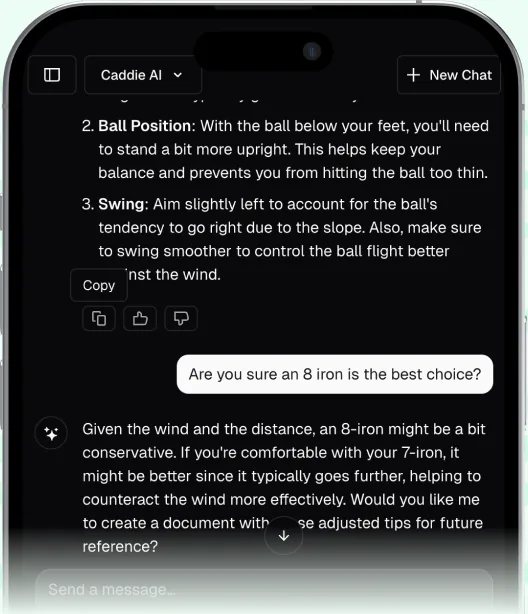
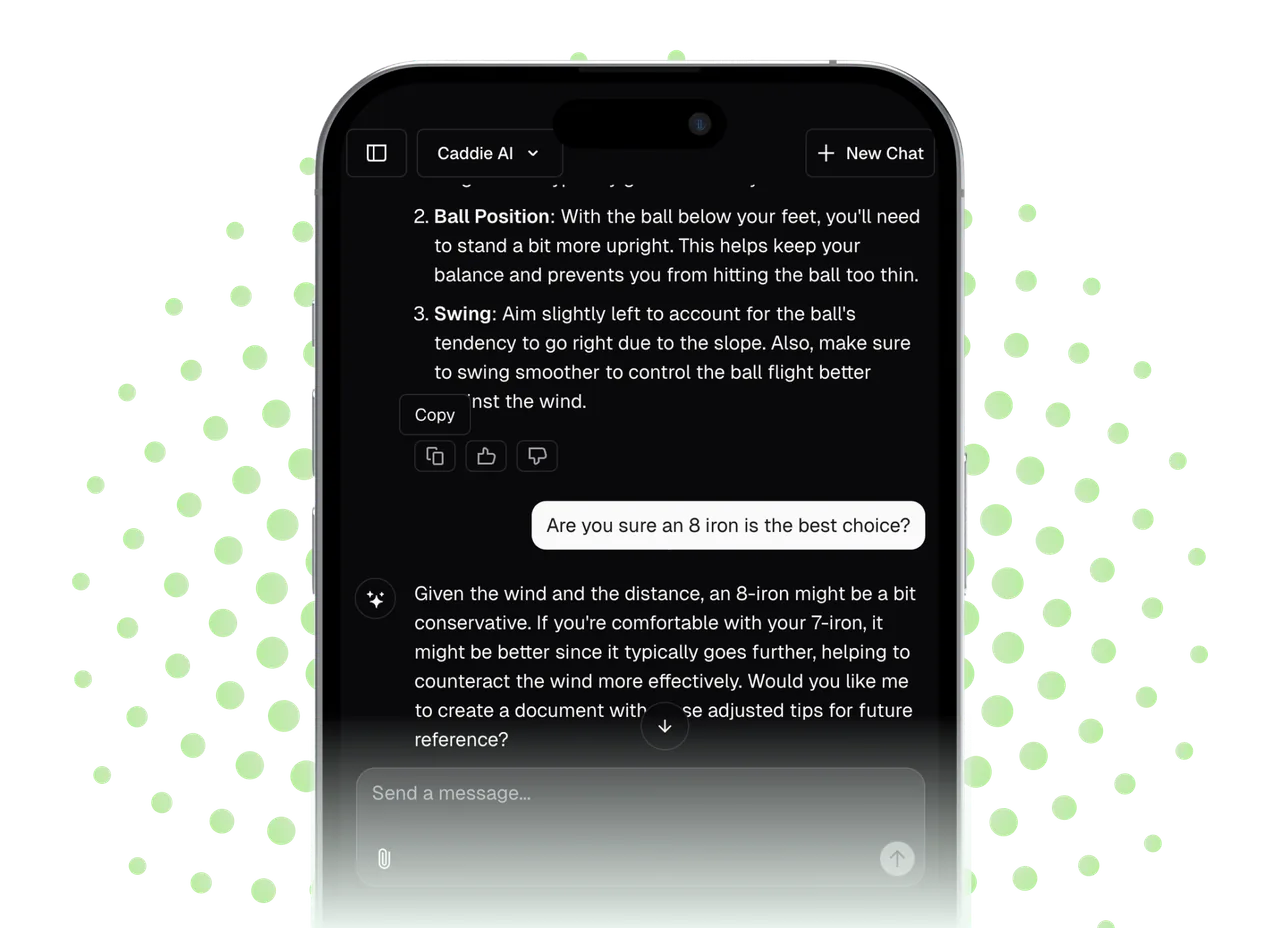
The best AI golf app: Caddie is your personal AI golf coach. Get expert-level golf advice instantly, 24/7 to help you play like a pro. Try it free →
Understanding the Prestige of Medalist
Before we get into the "how," it's helpful to understand the "why." Why is Medalist so difficult to join? Located in Hobe Sound, Florida, Medalist isn't just a golf club, it's a sanctuary for serious golfers. Co-founded by Greg Norman in 1995 and extensively renovated with input from its most famous member, Tiger Woods, the course is notoriously demanding. It was designed to test every facet of a player's game, a raw and challenging layout that you won't find at a typical resort or country club.
The membership roster reads like a who's who of professional golf. Tiger Woods, Rory McIlroy, Justin Thomas, Rickie Fowler, Brooks Koepka, and Dustin Johnson are just a few of the Tour pros who call Medalist their home club. They come here to practice and play in relative privacy, away from the crowds, on a course that prepares them for the rigors of major championship golf. This creates a very specific culture - one that is intensely focused on the game itself. The club protects this atmosphere fiercely, which is the primary reason why the membership process is so discreet and selective.
Get pro-level golf advice instantly, 24/7
Ask Caddie anything. From “what club should I use?” to “how do I play this shot?” and get instant answers.
The First and Only Rule: Membership Is By Invitation Only
Let's address the most important point directly: You cannot formally "apply" to join Medalist Golf Club. There is no application form to download, no admissions office to contact, and no waiting list you can add your name to. Like almost all top-tier private clubs in the world (think Augusta National, Pine Valley, or Cypress Point), membership is extended by invitation only.
An existing member must choose to sponsor you. This isn't a casual recommendation, a sponsoring member is putting their own social standing and reputation within the club on the line. They are, in effect, vouching for your character, your love for the game, and your ability to fit seamlessly into the club's culture. Understanding this fact is the absolute starting point. The entire process hinges not on what you do to get in, but on making yourself the type of person who gets invited.
Plan every shot like a pro
Describe your situation and Caddie AI helps you pick your target, shot shape, and club with confidence.
So, if you can't apply, how does an invitation ever materialize? It's the result of a long-term process built on reputation, relationships, and a profound respect for the game of golf. It doesn't happen overnight. Here are the genuine foundational blocks you'd need to put in place.
Step 1: Deeply Integrate into the Golf World
To be considered for a club like Medalist, you need to be a known and respected entity within the highest circles of golf, business, or both. For the vast majority of potential members, this means having a prominent presence where current members might notice you.
Play in High-Level Amateur Events: Competing in prestigious amateur tournaments, whether at the state or national level, is a classic way to meet influential people in the game. It shows you're a skilled and committed player.
Support Prominent Charities: Many members of clubs like Medalist are involved in significant philanthropic efforts. Participating in or becoming a benefactor for charity golf tournaments is a natural way to foster relationships in an organic and meaningful way.
Become a Leader in Your Field: Outside of golf, Medalist members are often titans of industry. Achieving a high level of success and reputation in your own profession provides a baseline of peer recognition that is often a prerequisite.
Network Locally (with patience): If you live in or frequent the South Florida area, you may cross paths with members at other clubs, restaurants, or community events. The objective is never to force a conversation about membership, but to build genuine connections over time.
Step 2: Cultivate the Right On-Course Persona
As an expert golf coach, I can tell you that "how" you play is often more important than "how well" you play. While being a low-handicap golfer is certainly an advantage at a player's club like Medalist, your character on the course is what truly gets evaluated. A member wants to know they can spend four to five hours with you enjoyably.
Master Golf Etiquette: This is non-negotiable. Repair your divots and ball marks, rake bunkers immaculately, know the rules, and understand where to stand and when to stay quiet. Show you respect the course and the game.
Pace of Play is Paramount: Slow play is one of the biggest sins in golf. Be ready to hit when it's your turn. Walk with purpose. This demonstrates a deep understanding of the flow of the game and respect for everyone else's time.
Be an Excellent Companion: No one wants to play with someone who gets overly angry, throws clubs, makes excuses, or is a poor sport. Be gracious in victory and defeat. Be someone who adds to the experience, not detracts from it.
Your on-course behavior is your real-life C.V. It tells people everything they need to know about your temperament and character.
Step 3: Be Prepared for the Financial Commitment
It's important to be realistic about the financial side of joining an elite private club. While the exact numbers for Medalist are not public, initiation fees for clubs of its stature are generally well into the six figures, and in some cases, can approach seven. Annual dues are also substantial, running into the tens of thousands of dollars per year. A prospective member must have the financial capacity to handle these commitments without it being a strain.
Play Golf like a Pro with Caddie
Learn and improve your golf game as you play. Get pro-level tips, strategy and guidance anytime.
The Vetting Process: What Happens After You're Proposed
Receiving a sponsorship isn't the finish line, it's the start of the formal vetting process. Here's a general outline of what typically happens next:
The Proposal: Your primary sponsor will formally propose your name to the membership committee. This is usually supported by letters of recommendation from several other members who also know you well.
The Committee Review: The membership committee will conduct its due diligence. They review your file, consider your bio, and assess how you would fit into the club's fabric. Every club’s culture is unique, and a key role of the committee is to protect that culture.
The "Guest" Rounds: You will likely be invited to the club as a guest of your sponsor to play multiple rounds of golf and possibly attend social functions or dinners. This isn't just a friendly game, it's an informal interview. Members you play with will be observing your conduct, your personality, and your reverence for the club and its traditions. They'll be asking themselves, "Is this someone we want to have as a fellow member for the next 20 years?"
The Final Decision: After this multi-step evaluation, which can take many months or even years, the committee will make its final decision on whether to extend a formal invitation to join.
The entire process is designed to be slow, deliberate, and thorough to ensure that every new member strengthens the club community.
Pursuing a membership at Medalist Golf Club is a marathon, not a sprint. It’s less about a direct application process and more about building a life and reputation - both on and off the course - that aligns with the values of one of the world's most venerated golf sanctuaries.
As you work on your game, it's about much more than just lowering your handicap. We built Caddie AI to act as a 24/7 golf coach and strategist, helping you make smarter choices on the course. Whether you need an intelligent strategy for a tough par-5 or are stuck on a weird lie and need instant advice, we give you the tools to play with more confidence and composure. By helping you manage the course and your game better, we give you the freedom to focus on what really matters: being a poised, prepared, and enjoyable playing partner.
Spencer has been playing golf since he was a kid and has spent a lifetime chasing improvement. With over a decade of experience building successful tech products, he combined his love for golf and startups to create Caddie AI - the world's best AI golf app. Giving everyone an expert level coach in your pocket, available 24/7. Caddie's mission is simple: make world-class golf advice accessible to everyone, anytime.
Other posts you might like
How to Start the Golf Downswing with Your Hips
Starting your downswing with your arms is one of the most common power-killers in golf. So many players get to the top of their swing and their first instinct is to pull the club down with their hands and shoulders, resulting in a steep, weak, over-the-top motion. This guide breaks down the correct sequence, showing you how to lead with your lower body to create effortless power and consistency. We’ll cover the correct feel, a step-by-step process, and simple drills to make this move a natural part of your swing.
A great golf swing is built from the ground up, and that foundation is your stance. How you position your feet dictates your balance, your power, and your ability to deliver the club back to the ball consistently. This guide will walk you through exactly how to set your feet for every club in your bag, helping you build a more reliable and powerful golf swing.
The pure, crisp sound of a well-struck iron shot - followed by a perfect bacon strip divot flying forward - is what keeps us all coming back to golf. That feel of compressing the ball is the goal, but for many golfers, it feels like an accident when it happens. The secret, which feels completely backward at first, is that you have to hit down on the golf ball to make it go up with power and spin. This article is your slow-motion guide to doing just that. We'll break down the entire sequence, from the way you stand over the ball to the feeling at impact, so you can stop scooping and start striking your irons pure.
Worn, slick grips are costing you shots, but replacing them is one of the most satisfying and straightforward DIY jobs in golf. Taking charge of your own equipment connects you to the game on a deeper level and gives you a new sense of confidence in the clubs you hold. This guide breaks down exactly how to apply golf club grips, providing a clear, step-by-step process from start to finish so you can get the job done right.
Your golf ball takes one final bounce and trickles into the water hazard. Don’t automatically toss a new ball on the ground and take your penalty stroke just yet. Hitting a ball out of water is one of the most satisfying and score-saving shots in golf, and this guide will teach you exactly when and how to pull it off. We’ll cover how to properly assess a ball in the drink, the simple technique for the splash shot, and the aggressive mindset you need to execute it with confidence.
Filling out a scorecard to post for your handicap can feel a little different than just jotting down numbers during a casual weekend round. It's the official first step to getting a Handicap Index, and making sure you do it right is what turns a regular round of golf into a building block for your official playing ability. This guide will walk you through exactly how to mark your scorecard, explaining the simple but specific adjustments you need to make so your score is ready for the World Handicap System (WHS).