Thinking about joining the revered Berkshire Golf Club? Fantastic choice. Those classic heathland layouts are something special. This article will walk you through the membership process, step-by-step, providing the kind of practical insider advice you'd get from a coach who knows the landscape of traditional members-only clubs.
The best AI golf app: Caddie is your personal AI golf coach. Get expert-level golf advice instantly, 24/7 to help you play like a pro. Try it free →
Understanding the Essence of The Berkshire
Before we get into the practical steps, it's important to understand what The Berkshire is all about. This isn't just a place to play golf, it's a historic institution founded in 1928 with two of Herbert Fowler's finest courses, the Red and the Blue. It's a club that cherishes its traditions, appreciates the nuances of the game, and fosters an atmosphere of camaraderie among its members.
Why does this matter for your application? Because the club is looking for new members who will seamlessly fit into and contribute to this long-standing culture. They're seeking individuals who not only love the game of golf but also understand and respect its etiquette, history, and the spirit of a private members' club. Your entire application journey, from your first point of contact to your final interview, should reflect this understanding.
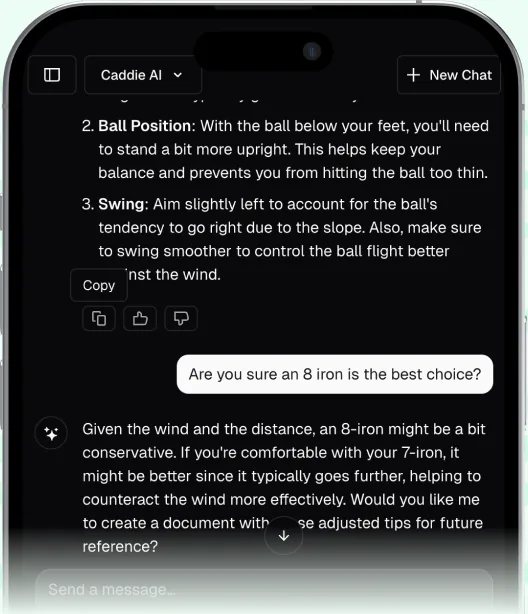
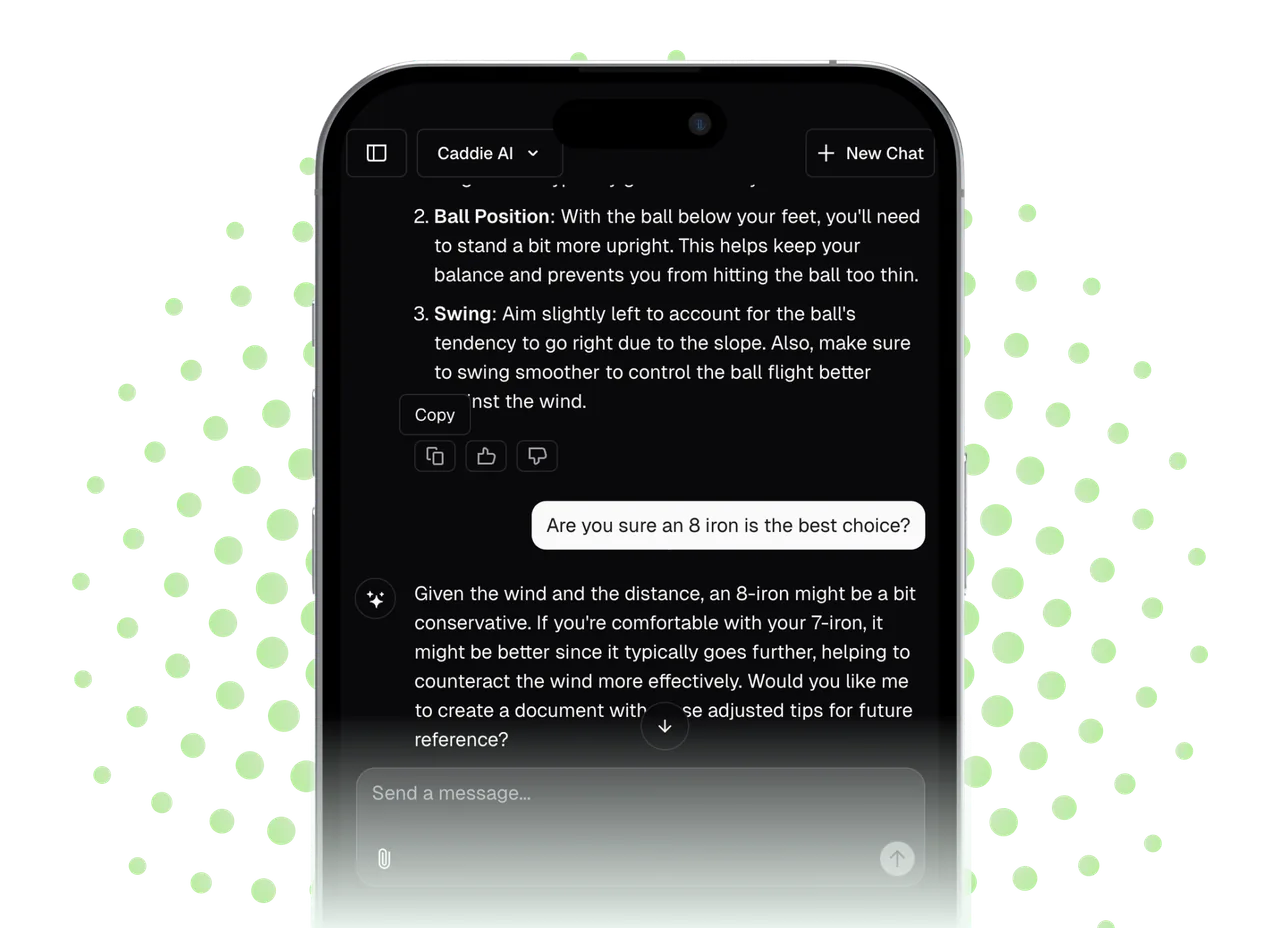
Plan every shot like a pro
Describe your situation and Caddie AI helps you pick your target, shot shape, and club with confidence.
Gaining membership at a top-tier club like The Berkshire is a process that relies heavily on personal connections and reputation. You won't find a "Click Here to Apply" button on their website. Instead, the path is a more traditional one, built on relationships. Here's how it generally works.
Step 1: The Essential Introduction - Finding a Proposer and Seconder
The single most important step in the entire process is securing an introduction from current members of the club. You will need both a Proposer and a Seconder.
The Proposer: This is a current member who will formally put your name forward for consideration. They are your primary champion. They should know you well, both as a person and as a golfer, and be willing to vouch for your character and suitability for the club.
The Seconder: This is another member who supports your proposer's nomination. While they don't have to know you quite as intimately as your proposer, they must also be confident that you would be a positive addition to the club.
But what if you don't know any members?
This is the most common hurdle for prospective members. Here's some friendly coaching advice on how to start building those connections organically:
Play in Open Competitions: The Berkshire occasionally hosts open competitions. This is a perfect way to experience the course and meet members in a natural setting. Make a good impression, play at a good pace, and be a pleasure to spend a few hours with.
Leverage Your Network: Think about your existing social, professional, and golfing circles. You might be surprised who has a connection. Perhaps a colleague, a client, a friend from another club, or even a relative is a member or knows someone who is.
Charity Golf Days: Like open competitions, charity events held at the club can be another good avenue for meeting members and experiencing the club's environment.
The Long Game: Joining another reputable club in the area can often lead to playing in inter-club matches or meeting members of The Berkshire through mutual acquaintances. This is a longer-term strategy but a very effective one.
The main thing is to network genuinely. Don't make it your sole aim to "collect" members. Build real relationships based on a shared passion for the game.
Step 2: Preparing Your Application Package
Once you have a proposer and seconder, your proposer can obtain an official application form from the club's administration. This form will request your personal details, golfing history, handicap information, and your home club details. My advice is to be thorough and honest.
Beyond the form itself, your application will be supported by letters. Your Proposer and Seconder will each write a formal letter of support on your behalf. Additionally, it is highly recommended to have several other members write letters of support. A robust application might have between four and eight supporting letters.
What makes a good supporting letter? It's not just about saying, "John is a great guy." A strong letter will speak to things like:
Your participation in your current club's life (e.g., playing in matches, attending social events).
Why you specifically want to join The Berkshire and what you would bring to the community.
Step 3: The 'Playing-In' Round and Interview
If your submitted application is well-received by the committee, the next stage is typically an informal meet-and-greet, which often includes a 'playing-in' round of golf.
The Playing-In Round
Let me be exceptionally clear here as your coach: this is not a skills test. The committee members playing with you don't care if you shoot a 75 or a 95. What they care about is how you conduct yourself during the round.
Treat this as the most important round of golf you'll play. Here's what to focus on:
Pace of Play: Be ready to play when it's your turn. Walk briskly between shots. This shows respect for the players around you and the rhythm of the course.
Course Care: Meticulously rake every bunker you enter, replace all your divots (and any others you see), and repair your pitch marks on the greens. This demonstrates your respect for the course itself.
Etiquette and Temperament: Show sportsmanship. Congratulate others on good shots. Don't get overly frustrated by your bad shots. Maintain a pleasant, positive demeanor, even if your game isn't cooperating.
Conversation: Be engaging but not overbearing. Show interest in your playing partners. Let the conversation flow naturally. They want to get a sense of who you are as a person.
The Interview
Following the round, or scheduled for another time, you'll have a brief, friendly interview with members of the club's election or membership committee. They want to put a face to the name on the application and get a feel for your personality. They'll likely ask about your background, your love for golf, and what draws you to The Berkshire. Your goal is simply to be yourself, be genuine, and express your sincere enthusiasm for the prospect of joining their community.
Step 4: The Waiting List and Final Decision
Prestigious clubs like The Berkshire often have a waiting list, especially for full seven-day membership. After a successful interview, your name is typically put forward for a final vote by the main committee. Once approved, you might be formally placed on the waiting list. Patience is a valuable virtue at this stage. The club has a natural and limited turnover of members, so it can take some time before a space opens up.
When your name reaches the top of the list, you will receive a formal invitation to join. From there, it's a matter of paying the entrance fee and annual subscription, and then you can finally pick up your bag tags and walk the fairways as a proud member of The Berkshire Golf Club.
Alternative Avenues: Other Membership Categories
It's worth noting that the club also offers other types of membership which may have different entry requirements or shorter waiting lists. These can include categories like:
Overseas Membership: For candidates whose main residence is outside of the UK.
Artisan Membership: A category with separate entry procedures linked to a local golf club.
Colt &, Junior Membership: For younger golfers, providing a potential pathway to full membership later on.
If any of these apply to your circumstances, it's worth discussing them with your proposer.
Play Golf like a Pro with Caddie
Learn and improve your golf game as you play. Get pro-level tips, strategy and guidance anytime.
Joining a club like The Berkshire is less about an application and more about a relationship-building process. It takes patience, respect for tradition, and a genuine passion for the game and the camaraderie it fosters. Focus on being a good golfer in the truest sense - someone others enjoy spending their time with on the course.
Once you navigate the membership path, your focus can shift fully to the course and preparing for those big club matches or just enjoying a confident round with new friends. It's here that we designed my team's tool, Caddie AI, to give you an on-demand golf expert in your pocket. Whether you need a smart strategy for playing the challenging 14th on the Red Course for the first time or want a quick tip on tackling a tricky lie in the heather, we give you tour-level advice in seconds so you can play with more confidence and make smarter decisions.
Spencer has been playing golf since he was a kid and has spent a lifetime chasing improvement. With over a decade of experience building successful tech products, he combined his love for golf and startups to create Caddie AI - the world's best AI golf app. Giving everyone an expert level coach in your pocket, available 24/7. Caddie's mission is simple: make world-class golf advice accessible to everyone, anytime.
Other posts you might like
How to Use a Frogger Golf Towel
Your Frogger Golf Towel is much more than a simple piece of cloth, it's a purpose-built tool designed to help you shoot lower scores, and learning how to use it the right way can make a truly surprising difference in your game. This guide will walk you through exactly how to set up and leverage your Frogger towel for every situation you'll face on the course, from keeping your grooves pristine to ensuring a pure roll on the greens.
Hitting a pure golf shot feels amazing, but lowering your scores consistently comes from playing smarter, not just swinging harder. It’s about thinking your way around the course and making decisions that play to your strengths and protect you from your weaknesses. This guide will walk you through the core principles of strategic golf, giving you a practical framework to manage the course, avoid big numbers, and shoot your best score - even when your swing isn't perfect.
If you're looking to send your wedge shots high into the air with a soft landing, you've come to the right place. Many golfers believe the secret is to actively scoop the ball, but this approach often leads to inconsistent contact and frustration. This guide will walk you through the proper technique to let the golf club do the work for you, creating those beautiful, lofty shots around the green without the scooping motion.
Installing spine-aligned golf shafts is a professional-level club-building technique that can make a noticeable difference in your shot consistency. When you take the time to orient the shaft's natural spine correctly, you're eliminating a hidden variable and ensuring the club flexes the same way on every swing. This guide will walk you through the entire process, from understanding what a shaft spine is to installing the final grip on your perfectly aligned club.
Seeing your wedge shots land on the green, take one hop, and then stop on a dime is one of the most satisfying feelings in golf. If your shots have started rolling out more than you'd like, regrooving your wedges can bring back that crisp, pin-seeking 'bite.' This guide will walk you through exactly how to sharpen your grooves safely and effectively to restore the spin and control you're missing.
Chasing more clubhead speed is one of the most common goals in golf, but many players go about it the wrong way, believing it’s all about muscular effort and swinging for the fences. The truth is, significant speed gains come from a combination of better technique, a more athletic body, and speed-specific training. This guide will walk you through the proven methods that will help you unlock your speed potential and add serious yards to your drives.