Nothing kills consistency and confidence faster than the feeling of a golf club slipping in your hands. On a rainy day, a secure grip can feel impossible to maintain, turning what should be a fun challenge into a frustrating battle against the elements. But contending with wet weather is mostly about having the right plan and the right gear. This guide will give you a complete playbook, from what to do before you leave the house to a disciplined on-course routine that will keep your grips dry and your swings in control, no matter how much it's raining.
The best AI golf app: Caddie is your personal AI golf coach. Get expert-level golf advice instantly, 24/7 to help you play like a pro. Try it free →
The Pre-Round Prep: Your First Line of Defense
Success in the rain begins long before you feel the first drop. What you do at home can set you up for a much more manageable round. Think of this as building a foundation, without it, all your on-course efforts will be ten times harder.
Clean Your Grips Religiously
This is a non-negotiable step that many golfers overlook. Over time, your grips accumulate a layer of sweat, sunscreen, oil from your hands, and dirt. On a sunny day, you might not notice it. When moisture is introduced, this buildup transforms into an incredibly slick, greasy film, making it impossible to hold onto the club.
Give your grips a good scrub the day before you know you'll be playing in wet conditions. Here’s a simple way to do it:
Take your clubs, a small bucket of warm water, a little dish soap, and a soft-bristled brush (an old toothbrush works great).
Wet the brush in the soapy water and gently scrub the entire surface of the grip. You'll probably see some grime lift off right away.
Rinse the grip thoroughly with clean water, making sure to get all the soap off.
Dry them completely with a towel and let them air dry overnight. You can stand them upside down against a wall.
You’ll be amazed at how much tackier and more secure a perfectly clean grip feels, especially in the rain.
Inspect for Wear and Tear
A worn-out grip is your worst enemy in wet weather. A grip that is old, becoming hard, shiny, and smooth, has lost all its texture. No amount of wiping will bring it back to life, and it offers zero friction when wet.
Take a look at your most-used clubs - your driver, your wedges, and your 7-iron. Do the grips look shiny? Can you see patches where the pattern has been worn completely smooth? Do they feel hard and plasticky instead of soft and rubbery? If the answer is yes, it's time to regrip. Playing with fresh, tacky grips is one of the single biggest advantages you can give yourself in the rain.
Get pro-level golf advice instantly, 24/7
Ask Caddie anything. From “what club should I use?” to “how do I play this shot?” and get instant answers.
Walking onto the course unprepared for rain is a recipe for a bad time. Having a few specific items in your bag makes a massive difference. Here’s your shopping list for a solid rain-day setup.
Go All-In on Towels
One towel is not enough. For a wet round, you should have a minimum of three towels, and four is even better. Here’s how you’ll use them:
Towel #1 (The Beater): This is a large, absorbent towel (microfiber is fantastic for this) that you’ll keep clipped to the outside of your bag. Its only job is getting the heavy stuff - mud, wet grass, and water - off club faces and shafts. It's going to get dirty and soaked, and that's its role.
Towel #2 (The Grip Sentinel): This is your most-prized possession on a rainy day. A fresh, dry, medium-sized towel that you keep inside your bag, protected from the rain under your rain hood or umbrella. It must only be used for one thing: drying the grip of the club right before you hit. Never use it for your hands, your ball, or the mud caked on a club face. Protecting this towel's dryness is a top priority.
Towel #3 (Personal Use): This towel is for drying your hands, your face, and your rain gloves in-between shots.
The Magic of True Rain Gloves
We're not talking about your regular leather golf glove. Specialized rain gloves, like the popular FootJoy RainGrip models, are made from a synthetic material that actually becomes tackier the wetter it gets. It sounds counterintuitive, but it absolutely works. They give you a sense of security that is impossible to achieve with a wet leather glove or bare hands.
Pro tip: Always buy rain gloves in a pair (for both left and right hands) and consider bringing two full pairs to the course. You can wear one pair for a few holes while the other air-dries by hanging it from the scaffolding of your umbrella.
Invest in Weatherproof Gear
A good quality waterproof golf bag is a fantastic investment if you play often in wet climates. But for most golfers, a reliable rain hood is perfectly fine. Before your round, test it to make sure it fits your bag correctly and that the zippers work smoothly. Ease of access is important when you're fumbling in the downpour.
Your umbrella is equally as important a piece of equipment not just to stay dry, but to shield the opening for the golf bag. A large, sixty-two inch double canopy umbrella, which is designed to withstand inversion in gusts of wind, will make sure your equipment doesn’t end up soaked.
Plan every shot like a pro
Describe your situation and Caddie AI helps you pick your target, shot shape, and club with confidence.
With your gear prepped, it's all about execution on the course. This demands discipline and commitment to a simple routine for every single shot.
Protect Your Clubs at All Costs
This is where most players fail. Your golf bag is their only shelter. Use your umbrella and rain hood as a shield for the opening to your golf bag where your grips are located.
When sharing a golf cart, position your bag to be protected from wind-driven rain under an eave of cover. Leave the rain hood on.
If walking, your umbrella's main task is covering your clubs when you are choosing a club. Angle it to keep water from dripping down onto the grips when you take them from the bag.
Here’s a small but significant detail: After your shot, quickly wipe down the club head and the shaft before putting the club back into the bag. A sopping-wet club can drip water over the other grips in your bag and cause more headaches for you on the course.
Follow the System on Every Shot - No Excuses
Discipline here is the separation of what makes a good round when it's rain-swept and one that's pure misery. Follow these steps religiously:
Select a club. But only get it at arm's length out of your bag, let it remain under the coverage of your umbrella.
Grab the club and your Dry 'Grip Sentinel Towel. Withdraw the club at its full length from the cover of the bag to dry thoroughly, from top to bottom. Be methodical.
Put away your Dry-Towel, IMMEDIATELY. Put that important dry towel back inside the bag where it remains safe. Don't leave it out to be ruined in the rain.
Take hold of the club. The grip should feel bone-dry and tacky because that towel of yours will still do the job.
Perform the shot. Swing with confidence, knowing the grip will not slip.
Clean and store the club. Wipe off mud, rain, and grass from the club head and shaft via the 'Beater' towel before placing it back in the bag to prevent any more wetness from getting into your equipment.
It can feel tedious doing that for every swing, but the confidence it gives you for a secure connection to your club is totally worthwhile. And once you do that several times, it becomes second nature.
Bonus Hacks for Heavy Downpours
Sometimes you need a little bit more to fight extreme conditions. Here are a few clever little tricks:
Use zip-top plastic bags. Cheap and incredibly effective. Keep your extra gloves, scorecard, smartphone, and wallet in these baggies and toss them inside the pockets of the golf bag.
Use the "Under the Arm" method. When standing out in the middle of a fairway without umbrella protection, hold your club grip under your arm, pressed against your waterproofs. This prevents the grip from getting completely wet while you wait for your turn.
Bring hand warmers with you. Cold hands have a hard time gripping a club no matter how dry. Keep packet heat in your pocket to keep your fingers warm and limber. You can also stick a pair of drying rain gloves in the pocket between shots to help make the day just a little better.
Play Golf like a Pro with Caddie
Learn and improve your golf game as you play. Get pro-level tips, strategy and guidance anytime.
Effectively managing your gear in the rain boils down to a strategy combined with smart preparedness ahead of time and a disciplined process on the golf course. If you clean your grips, pack your rain-specific kit, and stick with an unwavering routine of wiping every single time, you shouldn't have to let a little wetness derail enjoying your day.
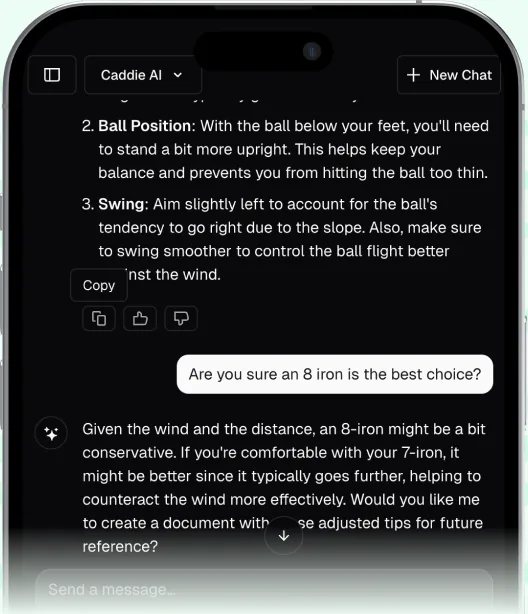
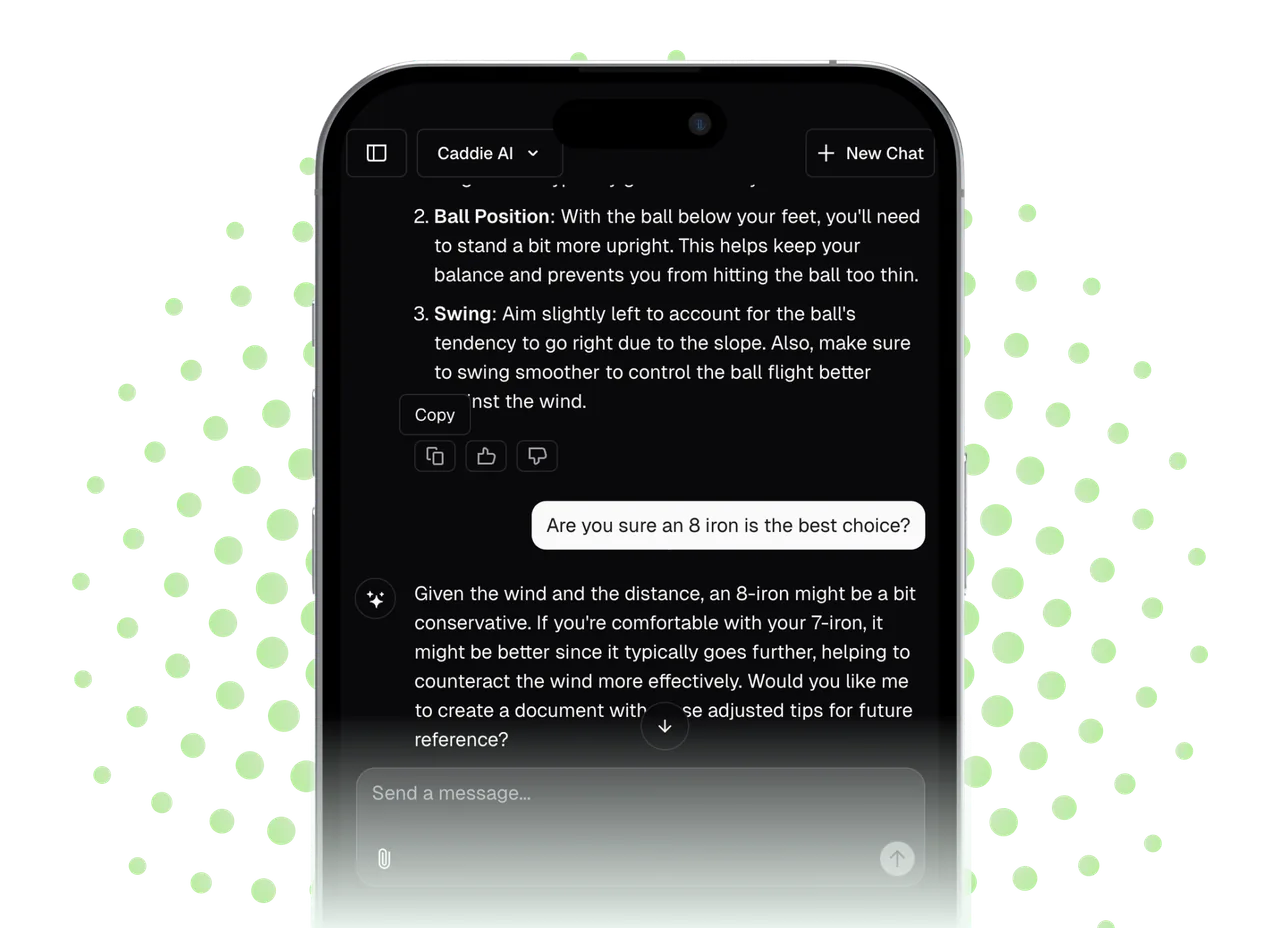
Managing tricky conditions like rain is all about having a good strategy and taking guessing completely out of the equation. We built our Caddie AI with that exact philosophy at its core. For those unexpected moments on any course of golfing - whether facing tough lies, difficult weather, or being simply caught between two clubs - you don't have to guess anymore and can now receive instantaneous, practical strategies right on your phone. It's about possessing that second opinion within your pocket and helping you play with more confidence, regardless of what the weather or the course throws at you.
Spencer has been playing golf since he was a kid and has spent a lifetime chasing improvement. With over a decade of experience building successful tech products, he combined his love for golf and startups to create Caddie AI - the world's best AI golf app. Giving everyone an expert level coach in your pocket, available 24/7. Caddie's mission is simple: make world-class golf advice accessible to everyone, anytime.
Other posts you might like
How to Play Golf for a Living
Turning the dream of playing golf for a living into reality is one of the toughest challenges in sports, but it's far from impossible with the right mindset and strategic plan. This guide is your roadmap. We’ll a look at the different professional avenues available, the skills you’ll need to develop, the financial realities you must face, and a step-by-step plan to help you get started on your journey.
Nothing sours a great round of golf faster than a sudden downpour, but getting caught in the rain doesn't have to ruin your game or your gear. Protecting your clubs is mission-critical, and a simple rain cover is the best tool for the job. This guide will walk you through exactly how to attach any type of golf bag rain cover, share some practical tips for playing in the wet, and help you feel prepared the next time the skies open up.
Organizing a match play golf tournament transforms a regular round into a thrilling head-to-head battle, making it one of the most exciting formats in the game. This guide will walk you through every step, from initial planning to crowning a champion, helping you create a memorable and well-run event for your group, club, or league.
Controlling your swing's low point is the single most important skill for crisp, clean contact with your irons. It’s what separates flush, compressed shots from frustrating fats and thins. This article will show you exactly what the low point is, why it governs the quality of your ball striking, and a series of simple, actionable drills you can use to start improving it today.
How to Develop a Pause at the Top of the Golf Swing
A rushed, out-of-control golf swing that feels hurried from the top is a massive power leak and a recipe for inconsistent shots. The good news is that developing a better sense of tempo and creating a moment of transition - often called a pause - at the top is one of the most effective changes you can make. This guide will walk you through why this so-called pause is so important, what it actually feels like, and share practical, step-by-step drills to help you build a smoother, more powerful swing.
Struggling to get your golf shots airborne can be one of the most frustrating parts of the game, leaving you short of greens and stuck behind obstacles you feel you should clear easily. The good news is that hitting the ball higher isn't about raw power or some secret, complicated swing change. This guide will walk you through the fundamental setup and swing adjustments that create a higher ball flight, giving you the tools to attack more pins and play with greater confidence.