Packing for a golf trip shouldn't be more stressful than a downhill three-footer for par. Getting your gear organized ahead of time means you can step onto the first tee with a clear mind, focusing on your game instead of the rain jacket you forgot. This guide offers a complete system for packing everything you need, from your clubs and clothes to the little things that make a trip go smoothly.
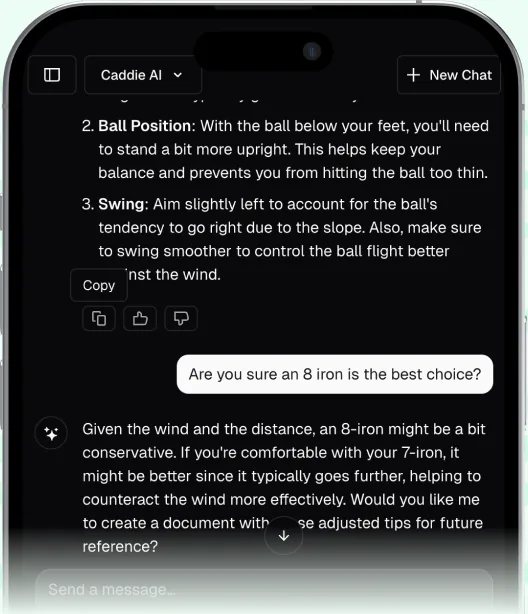
The best AI golf app: Caddie is your personal AI golf coach. Get expert-level golf advice instantly, 24/7 to help you play like a pro. Try it free →
Start with a Smart Packing Strategy
Before you pull everything out of your closet, let's establish a simple framework. The best way to make sure nothing gets left behind is to think about your packing in three distinct categories:
Your Golf Bag: Everything you need to play the game.
Your Suitcase: All your off-course apparel and personal items.
Your “Go Bag”: A small carry-on or backpack with absolute essentials for travel day.
This approach keeps you organized and prevents you from mindlessly tossing things into a bag at the last minute. By focusing on one category at a time, you build a complete packing list with intention.
Get pro-level golf advice instantly, 24/7
Ask Caddie anything. From “what club should I use?” to “how do I play this shot?” and get instant answers.
The On-Course Essentials: What to Pack in Your Golf Bag
This is your command center for the trip. Your golf bag will carry more than just your clubs, it will hold everything required to handle the course and the elements. Make sure it’s clean and ready to go before you start adding items.
1. Clubs, Balls, and Core Gear
These are the non-negotiables. Double-check that all your usual clubs are in the bag, and give the grooves a quick clean before you zip up the travel cover.
Clubs:Your full set. There's no worse feeling than reaching for your 8-iron only to find you left it leaning against the garage wall. Count them before you leave.
Golf Balls: A good rule of thumb is to pack one sleeve (3 balls) for every round you plan to play, plus one extra sleeve just in case. If you're playing a particularly challenging course lined with water or desert, packing a full dozen is a smart move.
Gloves: Pack at least two, preferably three. One glove can get sweaty in the heat or soaked in the rain, and having a fresh, dry one to switch to is a game-changer.
Tees, Ball Markers, and Divot Tool: You can never have too many tees. Store a handful in a side pocket. A good divot tool and a favorite ball marker are essential for playing like a respectful guest on any course.
Golf Shoes: Always pack your trusted, broken-in pair. A golf trip is not the time to test out new shoes. Use a separate shoe bag to keep your other belongings clean.
2. Apparel: Dressing for the Course and the Weather
Most golf destinations and resort courses have a dress code (collared shirts are a must). More importantly, the weather can be unpredictable. Layering is your best strategy.
Golf Shirts/Polos: Plan on one shirt per round you’re playing, plus one extra. Performance fabrics that manage moisture are ideal.
Shorts and/or Pants: Pack pairs that can coordinate with multiple shirts to save space. Check the forecast, even in warm destinations, an early morning round can be chilly.
Golf Socks: Like shirts, pack one pair per round plus an extra. Cushioned, moisture-wicking golf socks will keep your feet much happier over 18 holes than standard cotton socks.
Outerwear for Layering: This is arguably the most important part of your on-course apparel. Don't just check the temperature, look at the "feels like" temperature and wind forecast.
A Quarter-Zip Pullover: A versatile mid-layer is perfect for cool mornings or breezy afternoons.
A Windbreaker: Lightweight and easily packable, a good wind jacket can cut the chill without adding bulk to your swing.
Full Rain Gear: Always pack your rain jacket and pants, even if the forecast looks clear. A sudden downpour can end your round if you're not prepared, and good rain gear often doubles as an excellent wind barrier.
3. Accessories: The Small Things You Won’t Want to Forget
These are the support items that round out your preparation and make the day more comfortable.
Hat or Visor: Essential for sun protection and reducing glare.
Sunglasses: Protect your eyes and make it easier to track your ball flight against a bright sky.
Sunscreen: A golfer's best friend. Apply liberally before you head to the first tee and reapply at the turn. Stick sunscreens are great for mess-free application.
Yardage Device (and Charger): Whether you use a laser rangefinder or a GPS watch, make sure it's packed and fully charged before you leave home.
Club Towel: Pack a clean, dry towel to clip onto your bag for cleaning your clubs and golf balls.
Portable Power Bank: For keeping your phone or yardage device alive during a long day on the course.
Beyond the Bag: Packing Your Suitcase and Carry-On
Once your golf bag is set, packing your suitcase is much simpler. This is for all of your off-course needs and any overflow gear.
What Goes in the Suitcase
Off-Course Clothing: You’ll need clothes for dinners, sightseeing, or relaxing at the hotel. A few pairs of casual pants or shorts and some comfortable shirts should do it.
Dinner Attire: If your trip includes plans for a nicer dinner, pack one appropriate outfit.
Comfortable Shoes: After a long day walking the course, your feet will thank you for having a pair of sneakers or casual shoes to change into.
Swimsuit: If your resort has a pool or a hot tub, you’ll be glad you have it.
Basic Toiletries: All the usual travel necessities.
Medical and Comfort Kit (The "Just in Case" Pouch)
I suggest all my golfers pack a small pouch with items for aches, pains, and prevention. This can be a lifesaver on a multi-day trip.
Pain relievers (Ibuprofen, Acetaminophen) for sore muscles.
Blister protection such as Moleskin or Band-Aids.
Any personal prescription medications.
Hand sanitizer.
Plan every shot like a pro
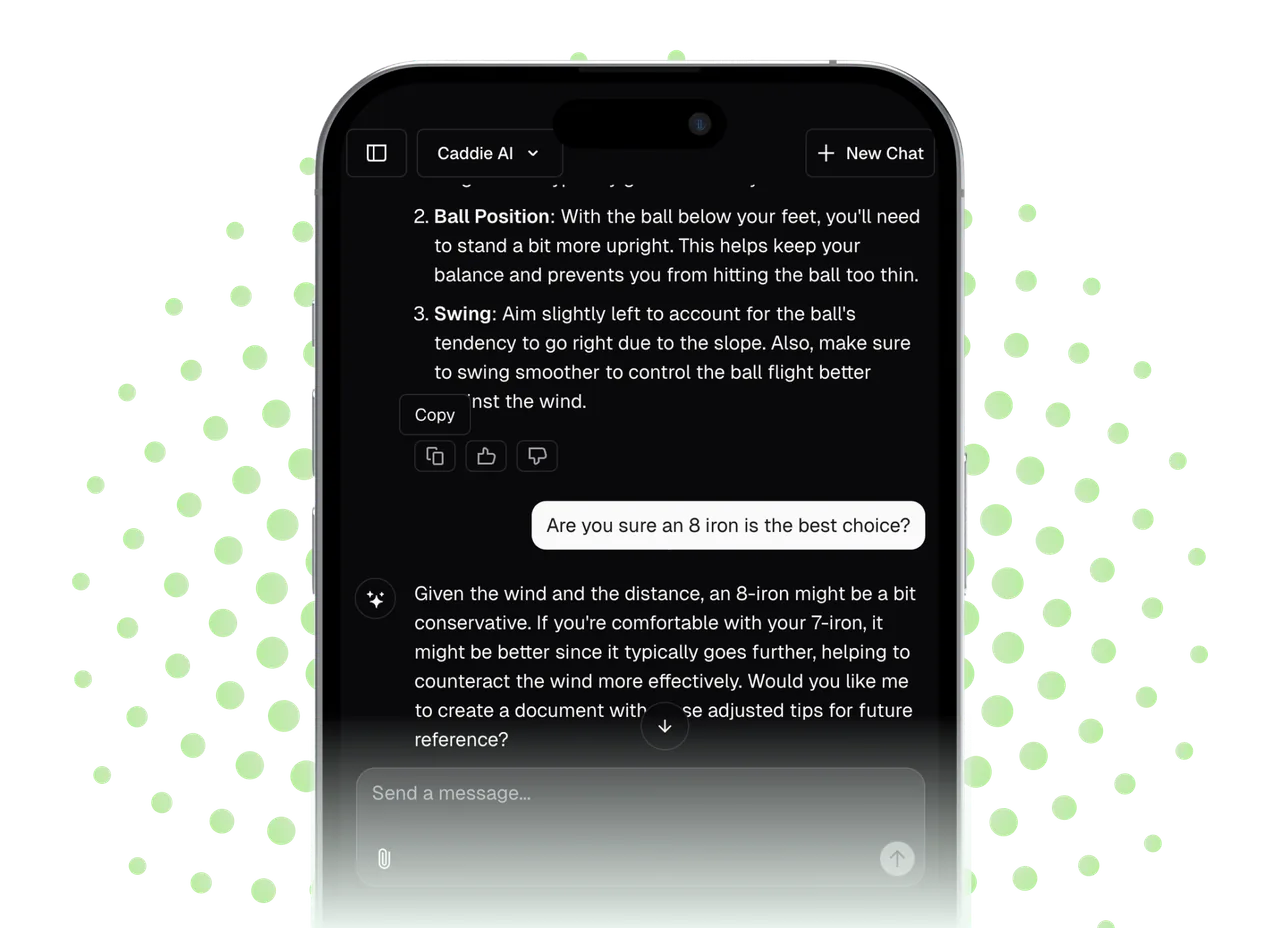
Describe your situation and Caddie AI helps you pick your target, shot shape, and club with confidence.
Getting your equipment to your destination in one piece is paramount. Here are a few tips from years of traveling for golf.
Invest in a Quality Golf Travel Bag
This is not the place to cut corners. A durable travel bag is your clubs' only defense against rough baggage handling. You have two main options: a hard case, which offers maximum protection but can be bulky, or a padded soft case, which is lighter and easier to store. Many experienced travelers prefer a high-quality soft case combined with a "stiff arm" - an adjustable support rod that runs the length of the bag to protect clubs from being crushed.
Pad Your Clubs for Protection
Even with a great travel bag, a little extra padding goes a long way. Wrap your clubheads with towels or clothing to prevent them from clanging together. If you can, unscrew the head from your driver and put it in a headcover in one of your golf bag's side pockets. Stuff the extra space in the bag with apparel or shoes to keep the clubs from rattling around.
Consider Shipping Your Clubs
For ultimate convenience, services like Ship Sticks allow you to send your clubs directly to the course ahead of time. This eliminates the hassle of navigating the airport with a bulky travel bag and frees up space in a rental car. It costs more than checking them as luggage, but for a big trip, the convenience can be well worth it.
A Quick Packing Checklist
Use this list for a final check before you head out the door.
A well-packed bag for a golf trip is about more than just remembering your clubs. It's about thoughtful preparation that removes stress and lets you arrive at your destination ready to enjoy every moment, both on and off the course. By using this systematic approach, you can travel with confidence, knowing you’re prepared for whatever the trip throws at you.
Once you arrive with everything you need, the next step is playing smart on an unfamiliar course. For those in-the-moment questions - like choosing the right club for a tough approach or figuring out the best way to play a tricky dogleg - Caddie AI gives you expert-level advice right in your pocket. It helps you take the guesswork out of course management so you can swing with confidence from the first tee to the last.
Spencer has been playing golf since he was a kid and has spent a lifetime chasing improvement. With over a decade of experience building successful tech products, he combined his love for golf and startups to create Caddie AI - the world's best AI golf app. Giving everyone an expert level coach in your pocket, available 24/7. Caddie's mission is simple: make world-class golf advice accessible to everyone, anytime.
Other posts you might like
How to Properly Swing Each Golf Club
Swinging a golf club correctly seems complex, but it boils down to understanding a few core principles and then making small adjustments for each type of club in your bag. This guide will walk you through the fundamental building blocks of a great swing and then show you exactly how to adapt that motion for your driver, irons, wedges, and putter. Let's get you swinging with more confidence and consistency, one club at a time.
Carrying your own golf bag shouldn't feel like a punishment before you even hit your first drive. If your back aches by the third hole or you’re constantly shifting the weight around, chances are your setup is off. This guide will walk you through everything you need to know - from packing the bag for balance to perfectly adjusting the straps - so you can make walking the course a comfortable, even energizing, part of your game.
The moment your backswing finishes and your downswing begins is the most critical, and misunderstood, part of the golf swing. This split-second move, known as the transition, separates tour professionals from weekend warriors and is the secret to generating effortless power and unwavering consistency. This article will show you exactly how to start the transition correctly, ditching the weak slices and discovering the pure ball-striking you've been searching for.
Putting your name on a golf bag does more than just help you spot it at the bag drop, it turns a piece of equipment into a statement of your personal style on the course. Whether you want the clean, professional look of the tour pros or a unique custom style, there are several solid ways to make your bag your own. This guide will walk you through the best methods, from professional embroidery to easy DIY options, so you can get the exact look you’re after.
Building your own floating golf green for a pool or pond is a fantastic weekend project that adds a serious fun factor and a unique short-game practice area right in your backyard. This detailed guide walks you through every step of planning, building, and using your new aqua-target, turning that an unused body of water into your personal golf stadium.
Marking your Titleist golf ball is one of the simplest actions you can take to immediately improve your focus and on-course accountability. This small pre-round ritual separates thoughtful golfers from casual players and builds a routine that fosters confidence. This guide will walk you through why it's so important, the best tools for the job, and the most effective methods, from the simple dots used by Tour pros to the game-changing alignment lines that can transform your putting and tee shots.