That old set of golf clubs collecting dust in the corner of your garage holds more potential than you might think. Instead of letting them take up valuable space or, worse, sending them to a landfill, you have several great options for giving them a new purpose. This guide will walk you through how to responsibly and creatively recycle, donate, sell, or repurpose your old sticks, clearing out your clutter while benefiting others or even your own home.
The best AI golf app: Caddie is your personal AI golf coach. Get expert-level golf advice instantly, 24/7 to help you play like a pro. Try it free →
Don't Just Toss Them: Why Bother with Old Clubs?
Every golf club is a collection of resources: steel, graphite, titanium, aluminum, rubber, and sometimes even tungsten. Tossing them in the trash is not only wasteful but also bad for the environment, as these materials don't biodegrade. Beyond the environmental angle, many starter sets, single clubs, or even vintage sets still have life left in them. They could be the very clubs that get a new golfer hooked on the game or become a source of cash you can put toward your next round. From a coaching perspective, I’ve seen countless new players get their start with a hand-me-down set. Clearing out your old gear the right way is a win-win situation - it's good for your space, good for other golfers, and good for the planet.
The Feel-Good Option: Donating Your Clubs
For many golfers, the easiest and most rewarding path is donation. You get to clear out your garage and contribute to the growth of the game at the same time. There's a constant need for affordable equipment to help new players, especially juniors, get started without a huge financial barrier.
Where to Donate Your Used Golf Clubs
The First Tee: This is my top recommendation. The First Tee is a terrific youth development organization that introduces the game of golf and its inherent values to young people. They have chapters all over the country and are almost always in need of equipment donations to support their programs. A quick search for "The First Tee + [your city]" will help you find a local chapter to contact.
Local High School or Youth Golf Teams: Public school golf programs often operate on very tight budgets. A decent set of clubs, even if a few years old, can make a world of difference for a student-athlete who can't afford their own. Call the athletic department of your local high school to see if they're accepting donations.
Programs like Bunkers in Baghdad: This organization collects and ships golf equipment to U.S. troops deployed overseas and to wounded warriors back home. It's a great way to provide a welcome recreational outlet for service members.
Goodwill, The Salvation Army, and Local Thrift Stores: These organizations will happily take your old clubs. While your donation may not go directly to a new golfer, the proceeds from the sale will fund charitable community programs. Plus, it's an incredibly convenient option with drop-off locations everywhere.
Your Local Golf Course: Ask the pro shop at your home course. Many facilities have donation barrels for programs like The First Tee or run their own junior clinics and would gladly take your used gear off your hands.
Get pro-level golf advice instantly, 24/7
Ask Caddie anything. From “what club should I use?” to “how do I play this shot?” and get instant answers.
If your clubs are from a well-known brand and are only a few years old, you can likely turn them into cash or credit. The used club market is massive, and plenty of golfers are looking for a deal on premium equipment. This is a smart way to help fund your next equipment upgrade.
Trading Them In
Trading in your clubs is the fastest way to get value for them. You won't get top dollar like you might in a private sale, but you avoid all the hassle of taking pictures, writing descriptions, and dealing with shipping. Here's how it generally works:
Online Retailers: Websites like 2nd Swing, GlobalGolf, and Callaway Pre-Owned have simple trade-in programs. You enter the model and condition of your clubs on their website to get an instant credit value. If you accept, they'll send you a shipping label. You box up your clubs, send them in, and receive an e-gift card once they're inspected.
Big Box Golf Stores: Places like PGA TOUR Superstore or Dick's Sporting Goods often accept trade-ins directly at the store. This is a great choice if you plan on immediately buying a new club, as you can apply the credit right away.
Selling Them Yourself
To maximize your return, selling your clubs yourself is the way to go. It requires more effort, but you get to keep all the profit.
Popular Platforms: eBay is the king of the online golf marketplace, but don't overlook Facebook Marketplace and Craigslist. These are great for local sales where you can avoid the complexities of shipping.
Tips for a Successful Sale:
Clean Them Up: A clean club looks like a well-cared-for club. Use a wet towel with soap to clean the heads, shafts, and grips. Get dirt out of the grooves with a brush. It takes 10 minutes and can significantly increase the perceived value.
Take Great Pictures: Use good lighting and a simple background. Take clear photos of the club face, sole, topline, shaft, and grips. Be honest and photograph any significant scratches, dings, or signs of wear.
Write a Detailed Description: Include the brand, model, loft, shaft flex and model, and an honest assessment of the condition (e.g., "7/10 with normal wear from play"). The more information you provide, the more confident a buyer will be.
Give Them One More Round: Refurbishing Your Clubs
Sometimes a club isn’t meant to be sold or given away. Maybe it's the putter you used to shoot your career-low round or your grandfather’s old sand wedge. Instead of letting them sit, you can bring them back to playing condition.
Regripping: This is the easiest and most impactful upgrade. New grips are inexpensive, and replacing them can make a club feel brand new. You can do it yourself with a simple kit or have any pro shop do it for about a few dollars per club.
Reshafting: A great club head is timeless, but shaft technology advances quickly. If you have an old driver head you love, you can get it reshafted with a modern, lighter graphite shaft to add some distance and forgiveness. This is a job best left to a professional club fitter or repair shop.
Plan every shot like a pro
Describe your situation and Caddie AI helps you pick your target, shot shape, and club with confidence.
If your clubs are truly past their prime and have no real monetary or playing value, it's time to get creative. Repurposing old golf clubs into art or functional items for your home is a fun project and a great way to display your love for the game.
Project Ideas for Old Golf Clubs:
Coat or Hat Rack: Mount a few old iron heads to a piece of reclaimed wood. The head becomes the hook for coats, hats, or even dog leashes.
Backyard Plant Stakes: Old clubs, especially irons, make surprisingly sturdy and stylish stakes for tomato plants or other garden greenery.
Wind Chimes: Cut the shafts into varying lengths and hang them to create a unique-sounding wind chime.
Table Legs: Attach four sturdy wood or hybrid shafts to a tabletop for a one-of-a-kind end table for your sports den.
Beer Tap Handle: The grip end of a club can be fitted to an old tap to make the perfect handle for a home kegerator.
Play Golf like a Pro with Caddie
Learn and improve your golf game as you play. Get pro-level tips, strategy and guidance anytime.
What if your clubs are broken, bent, or simply not suitable for any of the options above? Your final stop is a scrap metal recycling facility. Steel and aluminum shafts can be recycled, as can many of the raw materials in older club heads. However, you can't just throw them in your curbside bin.
Your local solid waste authority website or a simple web search for "scrap metal recycling near me" is the best place to start. Give them a call before you go to confirm they accept golf clubs. They can tell you if you need to separate the heads from the shafts. Modern graphite shafts are a composite material that typically can't be recycled, so you may need to dispose of those separately.
Final Thoughts
Giving your old clubs a second life - whether through donation, a sale, creative repurposing, or responsible recycling - is a smart move for any golfer. You clear out space, help grow the game, put a little cash in your pocket, and keep useful materials out of landfills.
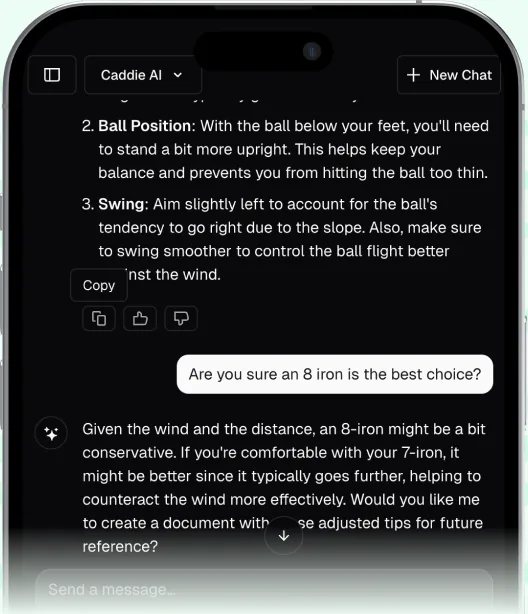
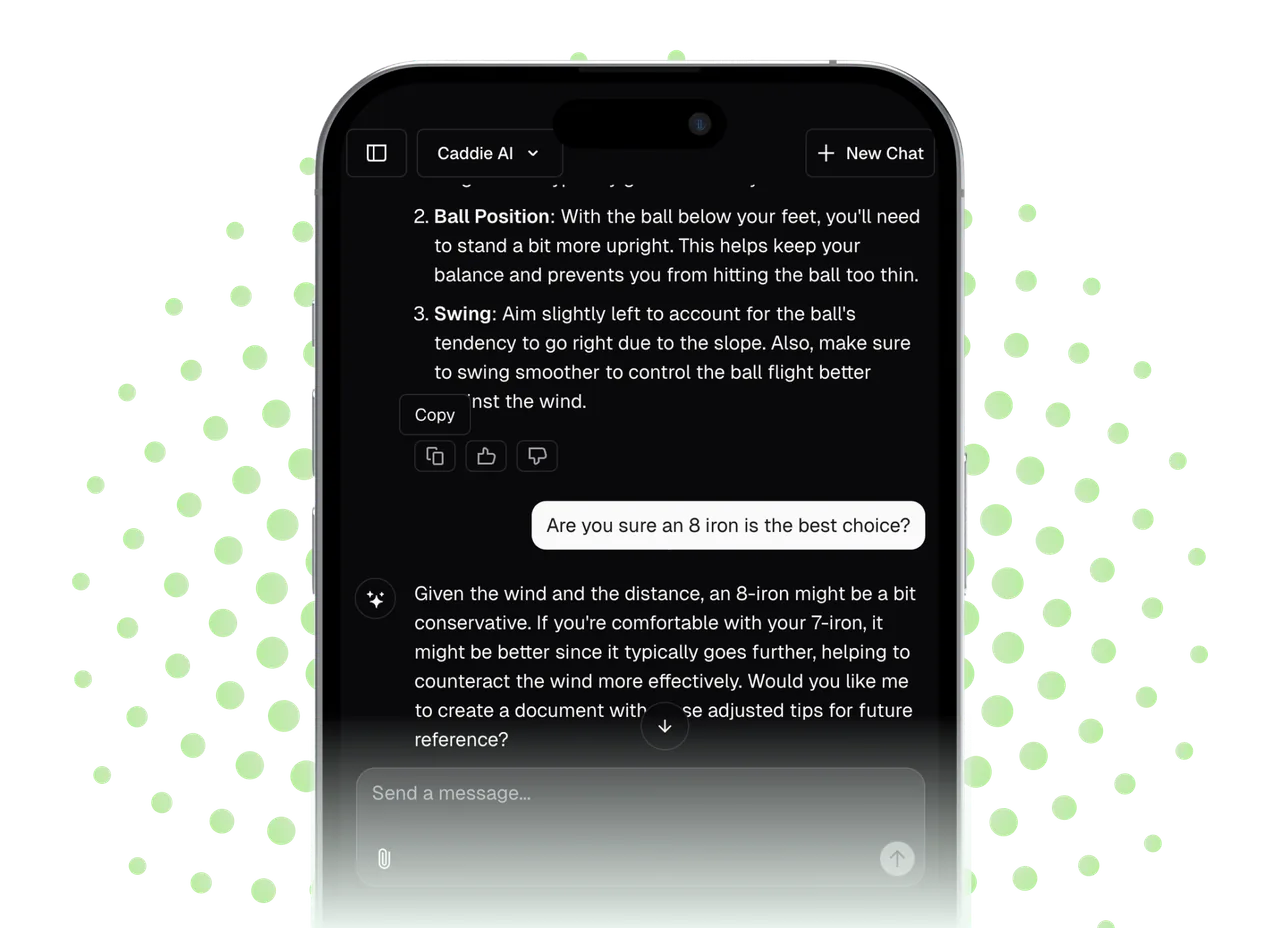
Just as making a good plan for your old clubs helps you manage your equipment, making smarter decisions on the course can transform your game. When you're facing a tricky lie, unsure of which club to hit, or just need a simple strategy for the hole ahead, Caddie AI can give you the expert advice you need right when you need it. It analyzes the situation, can even look at a photo of your ball's lie, and provides a clear recommendation so you can swing with the same confidence you now have in what to do with that old gear.
Spencer has been playing golf since he was a kid and has spent a lifetime chasing improvement. With over a decade of experience building successful tech products, he combined his love for golf and startups to create Caddie AI - the world's best AI golf app. Giving everyone an expert level coach in your pocket, available 24/7. Caddie's mission is simple: make world-class golf advice accessible to everyone, anytime.
Other posts you might like
How to Stop Flipping in Golf
Flipping the golf club at impact is the single greatest power-killer in an amateur golfer’s swing. If you’re tired of high, weak iron shots, inconsistent contact, and feeling like you just can’t compress the ball like you see better players do, you’ve come to the right place. This guide will break down exactly what a flip is, explain the simple reasons it happens, and give you clear, actionable drills to build a powerful, pro-style impact position.
If you're tired of watching your golf ball tail off to the right in a weak slice or starting left and staying there, you’ve come to the right place. That frustrating shot shape almost always comes from an over-the-top swing that moves from out-to-in, cutting across the ball. This article will show you the fix: learning to swing from the inside, or out to the right, to produce powerful, straight shots and even a desirable draw.
Playing golf in a group of three can sometimes feel like an odd fit, especially if you’re used to the classic foursome. The dynamic is different, traditional games don't always apply, and scoring can seem a bit awkward. But a threesome doesn't have to be a concession - it can be one of the best ways to experience a round of golf. This article will show you how to manage the pace and social dynamics, and more importantly, introduce you to some fantastic games designed to make a three-player round incredibly fun and competitive.
Building your own golf hitting bay isn't just about escaping bad weather, it's about creating a personal sanctuary where you can practice and improve on your own terms. This guide will walk you through the entire process, from planning your space and selecting the right gear to the step-by-step construction and essential safety considerations. We'll give you everything you need to turn that empty garage bay or basement corner into your favorite place to swing a club.
Thinking about playing golf in a 50 MPH wind? The short answer is yes, you physically can, but the real test is whether you're prepared for the mental and strategic battle ahead. This isn’t a normal round of golf, it's an entirely different sport played on the same patch of grass. This guide will walk you through the reality of these conditions and provide actionable strategies for your swing, course management, and mindset to help you not just survive the day, but actually enjoy the wild challenge.
Your golf shoes are far more than just something to keep your feet dry, they are the direct connection between your body and the ground, forming the entire foundation for your swing. How they perform - or fail to perform - has a direct impact on your stability, power, and consistency on every single shot you hit. This article will break down exactly how your shoes affect your swing and give you practical advice on what to look for to ensure your footwear is helping, not hurting, your game.