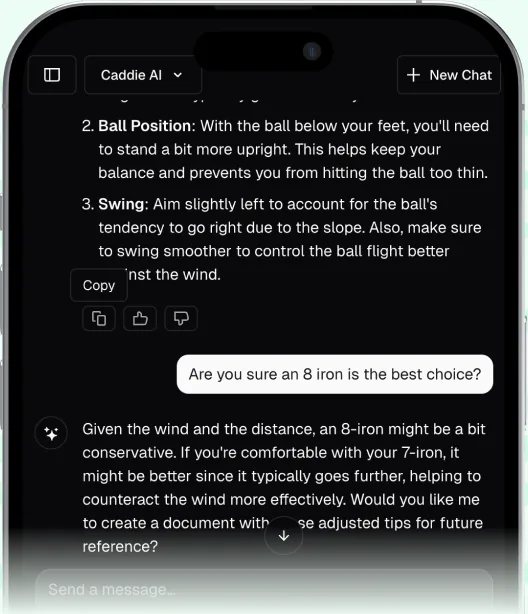
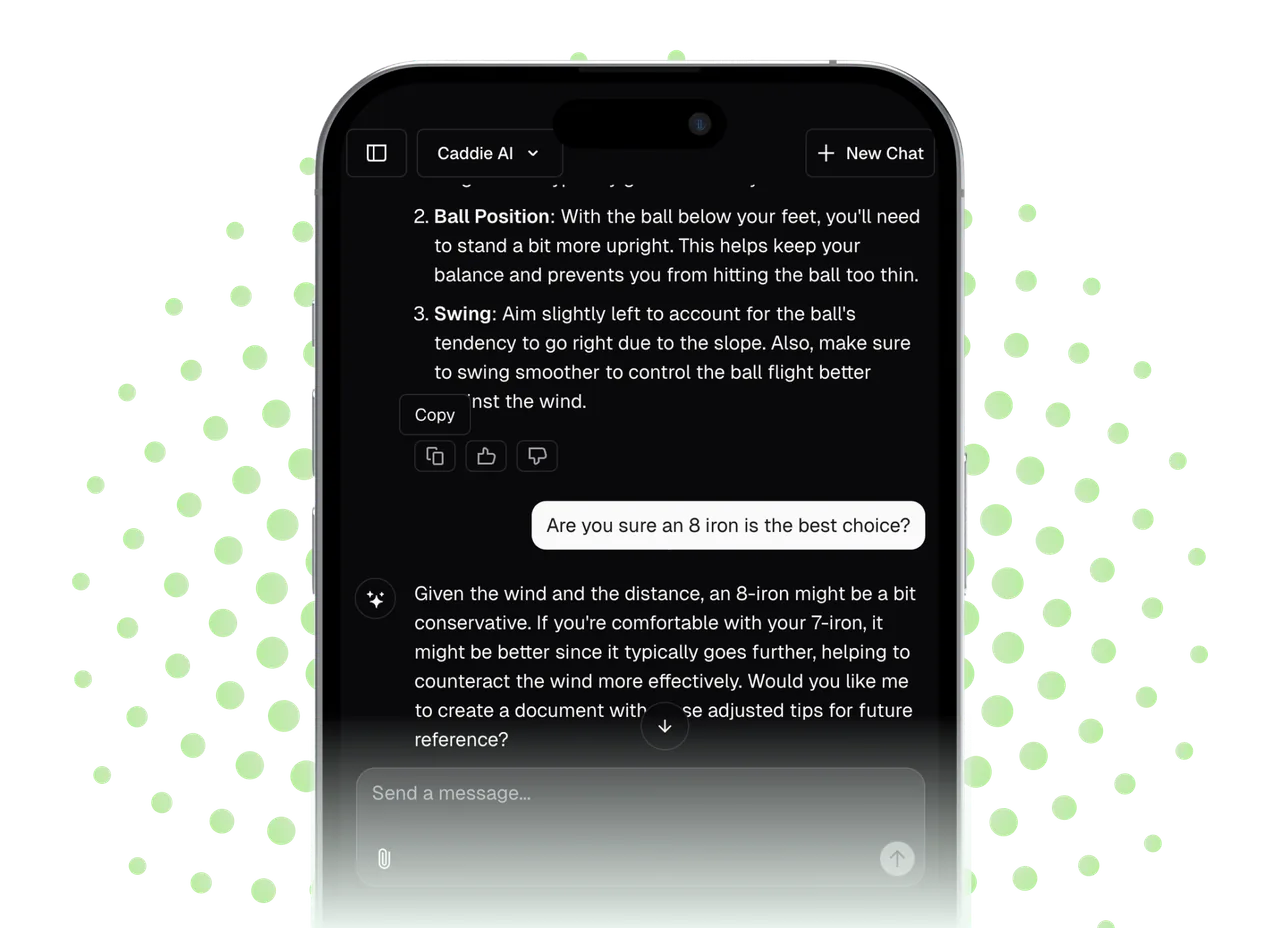
Ever tuned into a PGA Tour event and spotted someone walking inside the ropes, shoulder-to-shoulder with the players and caddies, who doesn't seem to be part of the tournament staff? That person is an Honorary Observer, enjoying one of the most unique and sought-after experiences in sports. This article will explain exactly what an Honorary Observer is, the rules they live by, and how you might be able to get this incredible behind-the-scenes view of professional golf yourself.
The best AI golf app: Caddie is your personal AI golf coach. Get expert-level golf advice instantly, 24/7 to help you play like a pro. Try it free →
So, What Exactly Is an Honorary Observer?
An Honorary Observer is a special guest, typically a VIP, sponsor representative, or a person who won the opportunity through a charity auction, who is granted the privilege of walking inside the ropes with a specific player group during a professional tournament round. Think of it as the ultimate upgrade from a regular spectator ticket. Instead of an obstructed view from behind the crowd, you get a front-row, intimate perspective for an entire 18-hole round.
It's important to be clear about what this role is not. An Honorary Observer is not a caddie, a coach, a family member, or a scorekeeper. Their role, as the name suggests, is to observe. They have no official duties and are not allowed to interact with the players or influence play in any way. They are meant to be a quiet, respectful presence, a fly on the wall for one of the most intense and pressure-filled offices in the world: the fairway of a pro golf tournament. This role is a testament to the trust the PGA Tour and its players place in these individuals to respect the sanctity of the competition.
Get pro-level golf advice instantly, 24/7
Ask Caddie anything. From “what club should I use?” to “how do I play this shot?” and get instant answers.
Getting the call to be an Honorary Observer is thrilling, but it comes with a strict set of rules and unwritten codes of conduct. Messing this up not only ruins the experience for yourself but can directly interfere with a professional athlete's performance. Understanding and respecting these rules is your top priority.
1. Position and Movement: Be a Stealthy Shadow
Follow, Don't Lead: The general rule is to walk with the group, staying about 15-20 yards behind the players. A good landmark is to walk in line with or slightly behind the last caddie in the group. This keeps you out of everyone's way but close enough to hear conversations and see the action unfold.
Anticipate the Shot: When a player starts their pre-shot routine, stop moving. Freeze where you are. Never walk or move when a player is over their ball. This is ground zero for golf etiquette. That sudden movement in their peripheral vision could be the distraction that costs them a shot, and in turn, thousands of dollars.
Stay Outside the Lines: Never cross a player's line of sight or their line of play. On the fairway, stay wide to one side. On the green, this rule is absolute. Stay on the fringes of the putting surface and never, ever walk on a player's potential putting line - the imaginary path from their ball to the hole. The pros and their caddies are meticulous about this path, and even a small footprint can alter a ball's roll.
2. Communication (or Lack Thereof): Your Vow of Silence
Players are Off-Limits: Do not speak to a player unless they speak to you first. They are 'at work' in an environment that requires immense focus. A simple "great shot!" from you could break a delicate mental state they’ve spent hours building.
Caddies are Working, Too: The same rule applies to caddies. While they might seem more approachable, they are constantly calculating yardages, wind direction, and strategy. Let them initiate any conversation. Often, between shots on a long walk, they might strike up a brief chat, but let them be the guide.
Phones Are Taboo: Your phone must be on silent. Completely silent - no vibrate. Even a low buzz can be disruptive. Taking photos or videos is strictly prohibited during the round. You will usually be reminded of this multiple times. Most tournaments allow you to take a photo with the players on the first tee or after the 18th green, but this will be arranged and clarified beforehand. Don't risk getting removed from the course for an Instagram story.
3. Dress and Preparation: Look the Part, Be Prepared
Proper Golf Attire: Think country club dress code. Golf shirt, trousers or smart shorts (know the club's specific policy), and a hat or visor. No jeans, no t-shirts with loud graphics, and absolutely no running shoes with giant logos.
Walking Shoes are Critical: This is a 5-to-6-mile walk, often over hilly, uneven terrain. You will not have access to a cart. Comfortable, well-worn golf shoes or walking shoes are your most important piece of gear. You need to keep pace with the group, and there’s no time to stop and rest.
Pack Light: You won't want to lug a heavy backpack around. Essentials are water, sunscreen, and maybe a very light rain jacket if the forecast is questionable. Tournaments usually provide water at various points on the course for Honorary Observers.
The Payoff: An Unforgettable ‘Inside-the-Ropes’ Experience
Following all these rules might sound intense, but the reward is a view of golf you simply can't get anywhere else. It’s what makes the Honorary Observer role so special.
You will hear things a TV microphone could never pick up. You'll listen in as a player and caddie debate whether to attempt a risky shot over water or play it safe. You'll hear the strategic reasoning behind club selection - "This one feels more like a soft 8-iron, the wind is up a bit more than you think" - which offers a masterclass in course management.
The sounds are different, too. The pure, crisp sound of a world-class ball striker compressing the ball is a sound you’ll never forget. You'll notice the distinct ‘fizz’ a perfectly struck wedge makes as it rips through the air with tons of spin. You'll see the raw power up close: how a player's body uncoils with explosive force and the incredible speed of the club head through impact. It’s an athletic display that television cameras simply flatten and cannot fully convey.
Plan every shot like a pro
Describe your situation and Caddie AI helps you pick your target, shot shape, and club with confidence.
This exclusive experience isn't something you can buy a ticket for at the gate. Access is limited and tightly controlled. Here are the most common pathways:
Charity Auctions
This is the most direct route for the general public. Many PGA Tour events partner with local and national charities, and they often auction off Honorary Observer spots to raise money. These auctions are usually held online in the weeks and months leading up to the tournament. This is a fantastic way to support a great cause and gain an experience of a lifetime.
Sponsorship Perks
Major corporate sponsors of a tournament receive a certain number of Honorary Observer spots as part of their sponsorship package. These are often used for executives, valued clients, or as high-end contest prizes for customers. Building a relationship with companies that are heavily involved in sponsoring your local PGA Tour event could be a potential, though less direct, avenue.
Tournament Lotteries or Contests
On rare occasions, a tournament might offer a spot or two through a contest or a lottery for ticket holders or volunteers. Keep an eye on the tournament’s official website and social media channels for any such promotions.
Becoming an Honorary Observer is essentially about getting inside the inner circle of a pro golf event. It requires a bit of luck, a willingness to support a charitable cause, or connections to the event’s backers. But for the serious golf fan, there is truly no better way to watch the game.
Play Golf like a Pro with Caddie
Learn and improve your golf game as you play. Get pro-level tips, strategy and guidance anytime.
The Honorary Observer role offers a rare glimpse behind the curtain of professional golf. It's a privilege built on respect, silence, and an understanding of the immense pressure the players are under. By following the simple rules of etiquette, an observer gets a masterful education in golf strategy and a lifetime memory of walking with the best in the world.
Walking inside the ropes allows you to see the strategic decisions pros make, but you can’t exactly ask them why they chose a 6-iron over a 7-iron for a tricky approach shot. We created Caddie AI to give you that same level of strategic insight for your own game. You can map out a smart plan for any hole, get a club recommendation based on your situation, or even snap a photo of a difficult lie to get instant advice on how to play it. Our goal is to take the guesswork out of your game so you can stand over every shot with the same confidence you see in the pros.
Spencer has been playing golf since he was a kid and has spent a lifetime chasing improvement. With over a decade of experience building successful tech products, he combined his love for golf and startups to create Caddie AI - the world's best AI golf app. Giving everyone an expert level coach in your pocket, available 24/7. Caddie's mission is simple: make world-class golf advice accessible to everyone, anytime.
Other posts you might like
What Does M Mean in a Golf Handicap?
Seeing a letter 'M' pop up next to your handicap index can be confusing, but it's there for a good and fair reason. You're simply looking at an official designation from the World Handicap System (WHS). This article will explain exactly what that 'M' means, why it might appear on your record, the process behind it, and what it signals for you and your fellow competitors.
Walking into a golf shop to pick out a new set of irons can feel completely overwhelming. One wall is covered in sleek, shiny blades, while another boasts chunky, confidence-inspiring shovels, each promising to change your game forever. This guide will cut through the marketing noise. We're going to break down the most important factors for finding the right irons, making the process simple so you can choose a set that truly fits your swing and helps you play better golf.
The 17th at St. Andrews, known simply as the Road Hole, is very likely the most famous and notoriously difficult par 4 in golf. It’s a hole where legends are made and Open Championships are lost, all in the shadow of a grand hotel and a simple stone wall. This article will break down exactly what makes this hole so legendary, from its terrifying tee shot to its treacherous green complex. Most importantly, I’ll give you a practical, shot-by-shot playbook for how an everyday golfer should approach a Road Hole style challenge without it wrecking your scorecard.
A ball trickling towards a creek on the course can fill any golfer with a special kind of dread, one that often leads to confusing rulings and a crooked number on the scorecard. That daunting little waterway is often called a burn, a term rooted deep in the game’s Scottish heritage. This guide will clarify exactly what a burn is, break down the official rules for playing out of one, and give you the strategic coaching you need to navigate these hazards with confidence.
If you’ve ever found yourself in the quiet tension of a match, standing over a two-foot putt with your heart pounding just a little too fast, you’ve been at the center of the world of a golf concession. To concede a putt is one of the most common, strategic, and sometimes nerve-wracking parts of match play golf. This article will break down exactly what a concession is, the unwritten rules of etiquette surrounding it, and the strategy golfers use to decide when to give - or not give - that all-important putt.
Ever dream of hearing your name announced on the first tee of a PGA or LPGA Tour event? For countless dedicated golfers, that thought is the ultimate motivation. This article will provide a realistic, no-fluff look at the chances of going pro, the pathway that leads there, and the specific skill sets you need to cultivate to even have a shot.