The person who greets you in the pro shop, books your tee time, and sometimes gives you a quick tip on the range does far more than you might imagine. The title Assistant Golf Professional almost feels like an understatement. This article will break down the incredibly diverse and demanding role of the assistant pro, showing you exactly what these foundational figures of the golf world do every day.
The best AI golf app: Caddie is your personal AI golf coach. Get expert-level golf advice instantly, 24/7 to help you play like a pro. Try it free →
Beyond the Title: The Many Hats of an Assistant Pro
Think of the assistant pro as the club's utility player - a jack-of-all-trades who is equal parts business manager, customer service expert, coach, event planner, and skilled golfer. While the Head Professional often focuses on the bigger picture of club management, budgeting, and strategy, the assistant pro is deep in the trenches, handling the day-to-day operations that make a golf facility tick. They are the operational heart of the club, serving as the primary point of contact for members and guests and ensuring the entire golf experience is smooth, professional, and enjoyable from the moment someone pulls into the parking lot until they head home.
The Public Face: Pro Shop Operations and Member Relations
The pro shop is the command center for any golf operation, and the assistant professional is its commander. This is where they spend a significant portion of their long hours, managing a wide range of responsibilities.
Driving the Tee Sheet
On any given day, especially a busy Saturday morning, the assistant pro orchestrates the flow of golfers onto the course. This involves more than just checking people in. It's a dynamic puzzle of:
Managing Bookings: Taking calls for tee times, adjusting for walk-ins, and juggling the schedule to maximize a full sheet.
Organizing Groups: Coordinating member groups, singles, and guest players to keep a steady pace of play.
Communicating Course Conditions: Informing players about pin positions, cart path rules, or any maintenance updates for the day.
Equipment Expert and Merchandiser
The pro shop is also a retail business, and the assistant pro is at the forefront of its success. This goes far beyond simply ringing up a sleeve of balls. They act as on-the-spot equipment consultants. A good assistant pro won't just sell you the most expensive driver, they'll ask you about your game, your common misses, and your goals. They might put you on a launch monitor for a few swings to see your numbers, explaining what they mean in simple terms before recommending a product that genuinely fits your needs.
Their merchandising duties also include:
Inventory Management: Placing orders with brands like Titleist, Callaway, and TaylorMade, receiving shipments, and keeping the shop stocked.
Visual Merchandising: Creating appealing displays for new apparel lines or a new line of wedges.
Special Orders: Helping members custom order clubs with specific shafts, lie angles, or grips.
Building a Community
Perhaps one of their most important functions is relationship building. They remember members' names, ask how their round went (and actually listen to the answer), and become a trusted, friendly face. This personalized attention fosters a sense of community and makes people feel proud to call the club their home course.
Get pro-level golf advice instantly, 24/7
Ask Caddie anything. From “what club should I use?” to “how do I play this shot?” and get instant answers.
The Coach and Teacher: Giving Lessons and Running Clinics
While handling business in the shop is one part of the job, spreading the love of the game through teaching is another major component. This is often the most rewarding aspect of their work. The assistant pro is a teacher for every type of golfer.
One-on-One Lessons: They work with everyone, from the absolute beginner who needs to learn how to hold the club, to the low-handicapper trying to iron out a small flaw in their ball striking. Their teaching philosophy is practical and goal-oriented. They understand that most amateurs don't need a picture-perfect PGA Tour swing, they need simple, effective fixes to help them play better golf now. They focus on fundamentals - like teaching a golfer how the grip acts as the "steering wheel" for the clubface - to build a solid foundation.
Group Clinics and Programs: Assistant pros are often in charge of running the club’s instructional programs. This includes junior golf camps in the summer, "Get Golf Ready" clinics for new players, and ladies' group lessons. These programs are vital for growing the game, creating a comfortable learning environment, and bringing new people into the sport.
The Organizer: Tournament and Event Management
Any club member who has played in a Member-Guest or Club Championship has seen the work of an assistant pro in action. They are the engine running a club's tournament schedule, a process that requires meticulous organization and a calm demeanor under pressure.
Step 1: The Planning Phase
Weeks before the event, the assistant pro helps plan every detail. This includes deciding on the format (like a scramble or best ball), establishing rules, creating the entry forms, and publicizing the event to the membership.
Step 2: Pre-Tournament Prep
In the days leading up to the tournament, the workload intensifies. Their checklist includes:
Setting up the tournament in the golf software.
Creating pairings and assigning tee times or shotgun holes.
Answering dozens of calls and emails from players with questions.
Printing all the necessary materials: scorecards, rules sheets, cart signs, and leaderboards.
Step 3: Execution on Game Day
On tournament day, they are often the first to arrive and the last to leave. They manage cart staging, provide player instructions, act as an on-course rules official, and solve any problems that come up. As players finish, the real race begins: collecting all the scorecards, entering scores quickly and accurately, determining the winners, and putting together the final results for the awards ceremony.
Plan every shot like a pro
Describe your situation and Caddie AI helps you pick your target, shot shape, and club with confidence.
The Player: Maintaining and Improving Their Own Game
Credibility is paramount in the golf business, and one of the best ways to earn it is by being a skilled player. An assistant professional is expected to maintain their own game at a high level. To even enter the PGA Professional Golf Management (PGM) Program, an associate must pass the Playing Ability Test (PAT). This test requires them to shoot two rounds of golf within a target score, proving they have the skills required of a professional.
Beyond this initial requirement, they continue to play regularly - often joining members for a round or competing in regional PGA section events against their peers. A pro who can play well commands respect and validates the advice they give, whether it's in a lesson or in the pro shop.
Play Golf like a Pro with Caddie
Learn and improve your golf game as you play. Get pro-level tips, strategy and guidance anytime.
Becoming an assistant golf professional isn't something you can just decide to do, it's a dedicated career path that requires certification through the PGA of America. The journey typically involves:
Getting a Job in Golf: The first step is usually working at a golf club in some capacity, often in the pro shop or as a "shop assistant."
Passing the Playing Ability Test (PAT): As mentioned, this is the first major hurdle.
Enrolling in the PGA PGM Associate Program: This is the educational framework for becoming a PGA Professional. It involves extensive coursework on subjects like Golf Operations, Teaching & Coaching, and Business Planning, alongside required work experience under the mentorship of a Head Pro.
The program is a multi-year commitment that ensures every certified PGA Assistant Professional has a well-rounded and complete understanding of every aspect of the golf business.
FINAL THOUGHTS
The title "Assistant Golf Professional" barely scratches the surface of the role. They are the versatile, hard-working heart of a golf club, seamlessly shifting from business manager and retailer to teacher, event coordinator, and skilled player every single day. Their passion and dedication are what make the game happen for the rest of us.
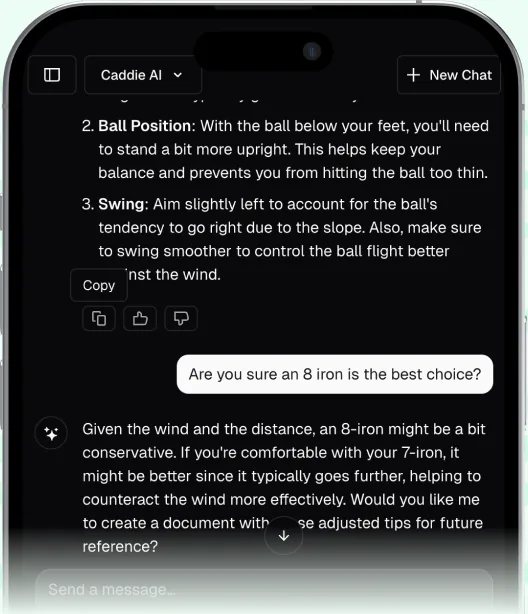
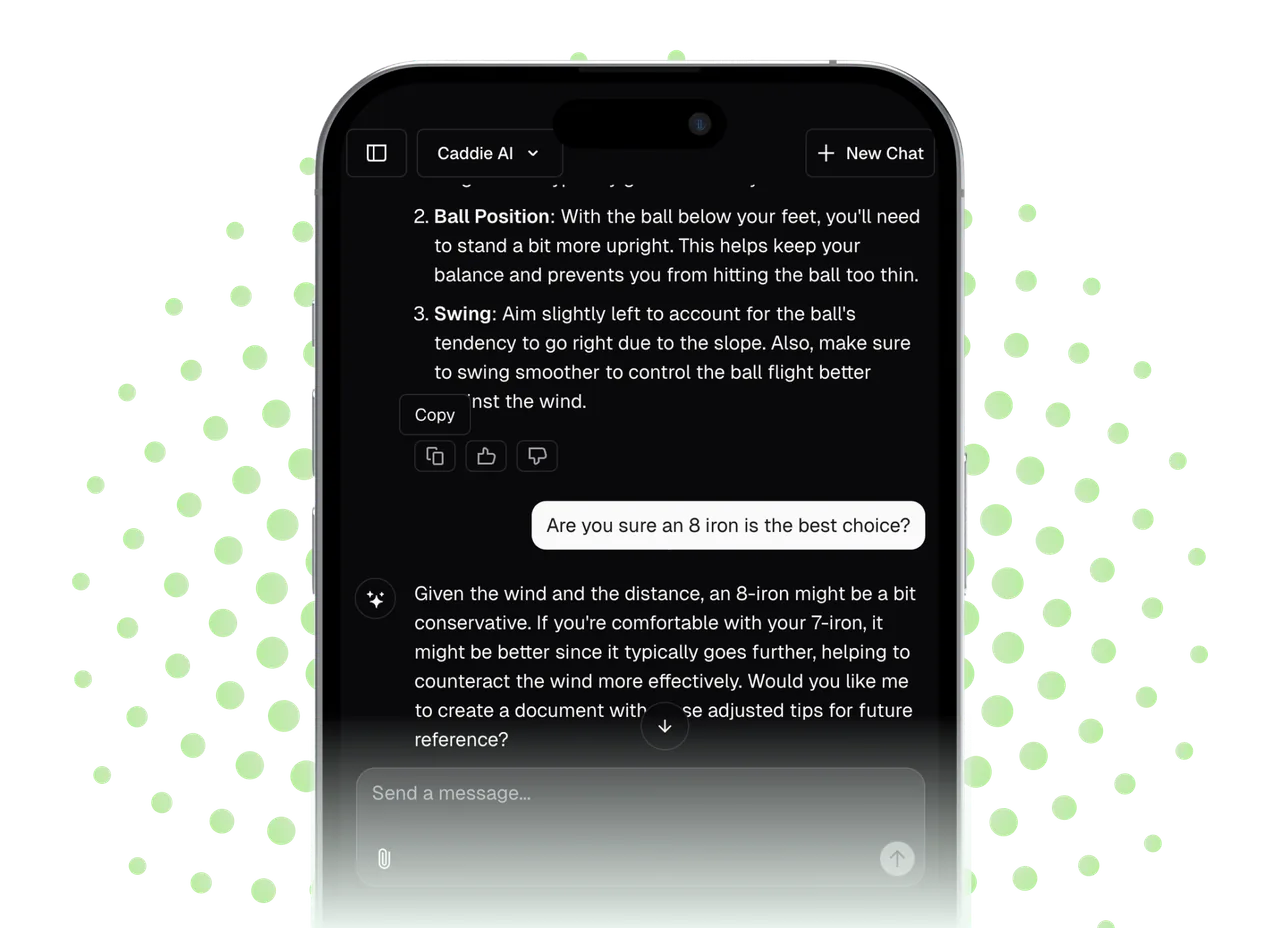
So much of an assistant pro's job is to give you smarter guidance - helping you manage your game, understand your swing, or think your way out of trouble on the course. In situations where having that expert second opinion isn't possible, our goal is to put some of that power right in your hands. We designed Caddie AI to act as your 24/7 on-demand golf expert. If you have a question about strategy on a tricky par-5 or are unsure how to play a tough shot from a weird lie, you can get instant advice. It’s like having that supportive, knowledgeable guidance in your pocket, ready to help you avoid mistakes and play with more confidence.
Spencer has been playing golf since he was a kid and has spent a lifetime chasing improvement. With over a decade of experience building successful tech products, he combined his love for golf and startups to create Caddie AI - the world's best AI golf app. Giving everyone an expert level coach in your pocket, available 24/7. Caddie's mission is simple: make world-class golf advice accessible to everyone, anytime.
Other posts you might like
What Do I Need to Shoot to Get a Golf Scholarship?
Thinking about playing college golf? Then you’re asking the one question that every aspiring junior golfer wants to know: What scores do I need to shoot to get a scholarship? It’s the ultimate benchmark, the target you’re trying to hit on your journey. This article will break down the scoring numbers you need, providing a clear and realistic look at what college coaches at every level - from powerhouse NCAA Division I teams to fantastic Division II, III, and NAIA programs - are truly looking for. We'll give you the concrete numbers and a practical roadmap to help you understand where you stand and what you need to do next.
In 2011, Luke Donald wasn't just a top golfer, he stood alone as the best player on the planet. Armed with a famously rhythmic swing and a short game that was the envy of everyone on tour, he reached World Number One. Yet, a few years later, his name began to slide down the leaderboards, leaving many fans wondering what happened. This article breaks down the story of Luke Donald’s career - from his incredible surgical precision that took him to the top, to the series of events that led to his decline, and finally, his brilliant resurgence as one of the game's most respected leaders.
Playing a round of golf in under four hours isn't just a myth, it's a completely achievable goal that makes the game more enjoyable for everyone. A fast round isn’t about running between shots or rushing your swing, but rather about playing efficient, smart-thinking golf. This guide will break down exactly what a faster pace of play looks like and provide simple, actionable steps you can start using on your very next round to become a quicker, more respected, and better-prepared golfer.
Walking the edge of a water hazard or the woods and discovering a pile of used golf balls feels like striking gold. But what do you do with them all? Before you leave them for the next person, know that bucket of scuffed, logoed, and sometimes muddy golf balls holds a surprising amount of value. This article will show you exactly what to do with them, from sharpening your game and making extra cash to tackling some clever weekend projects.
What Happens if a Golf Ball Hits Another on the Fairway?
It’s a scenario every golfer has seen: your perfectly placed ball is resting in the fairway, a promising setup for your next shot. Then you hear the call of FORE! as a playing partner's ball comes hurtling towards yours, resulting in a distinct 'clack' of Surlyn on Surlyn. This article walks you through exactly what the rule is, how it differs between stroke and match play, and the proper etiquette for handling the situation so you can play on with confidence.
A powerful, consistent golf swing is built on a few core principles, not a thousand tangled thoughts you found on the internet. Whether you’re just starting out or you’re an established player trying to clean up your game, this guide will walk you through the simple building blocks of a great swing. We'll break down everything from the ground up - from how you hold the club to your finish position - so you can develop a motion that is both repeatable and powerful.