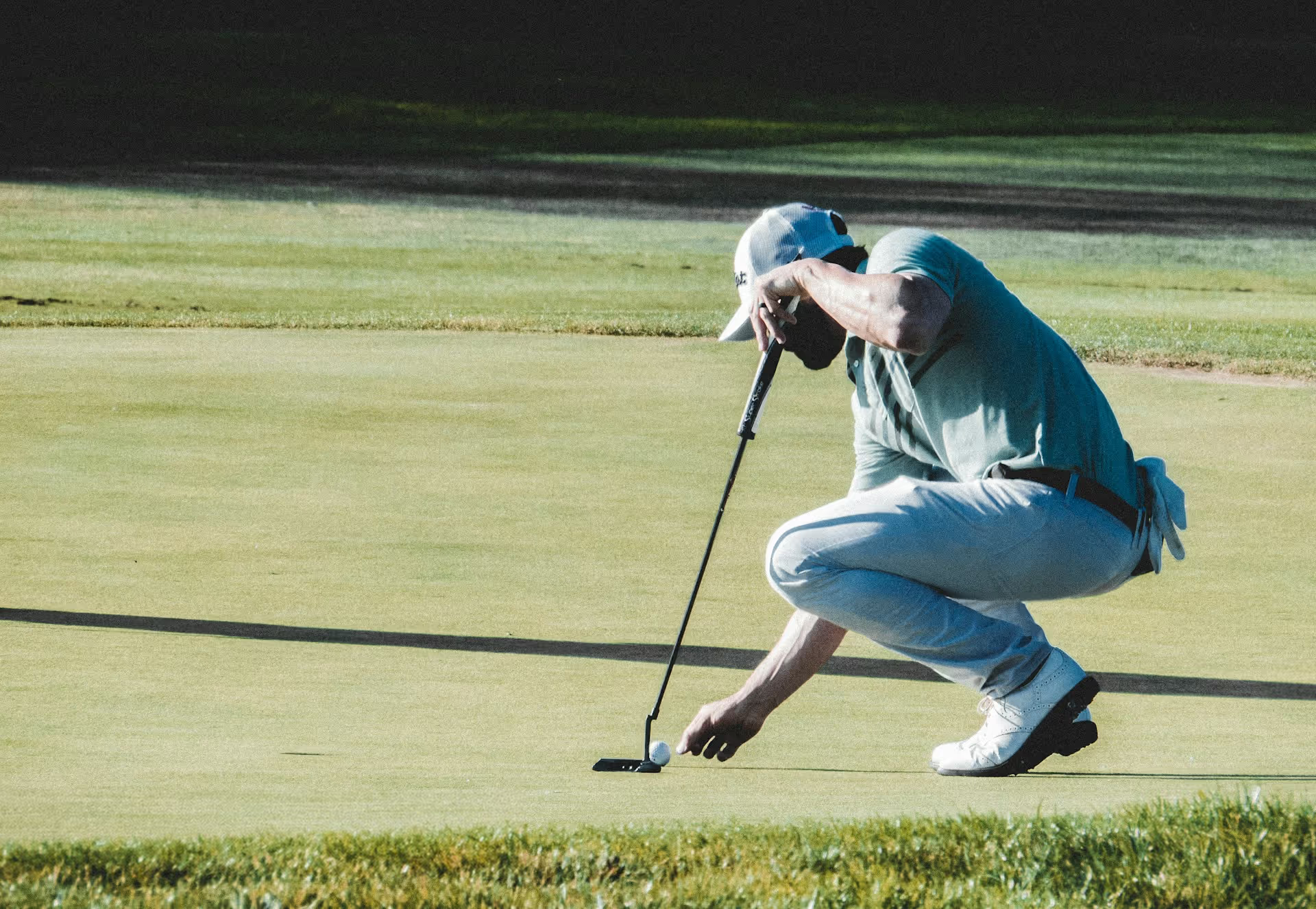
One of the most common questions from powerhouse players who want to emulate Jon Rahm's famous fade is about his equipment, and it often starts with the one point of contact he has with the club. Jon Rahm uses the Golf Pride MCC (MultiCompound Cord) grip, but his specific setup involves more than just picking a model off the rack. This article will break down the exact grips he uses on his swing clubs and putter, explain the logic behind his choices, and help you decide if a similar setup could benefit your own game.
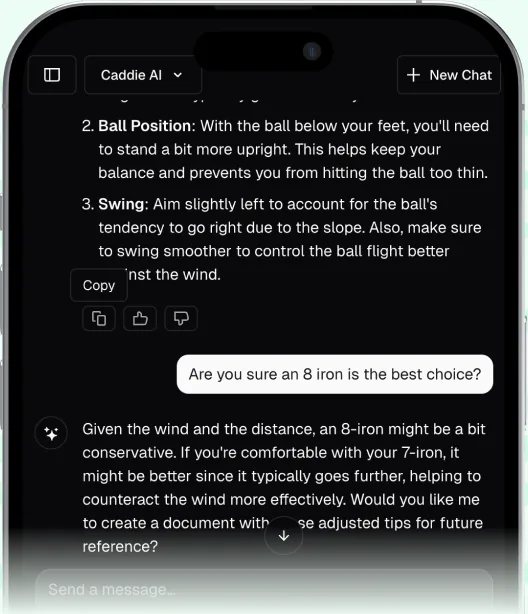
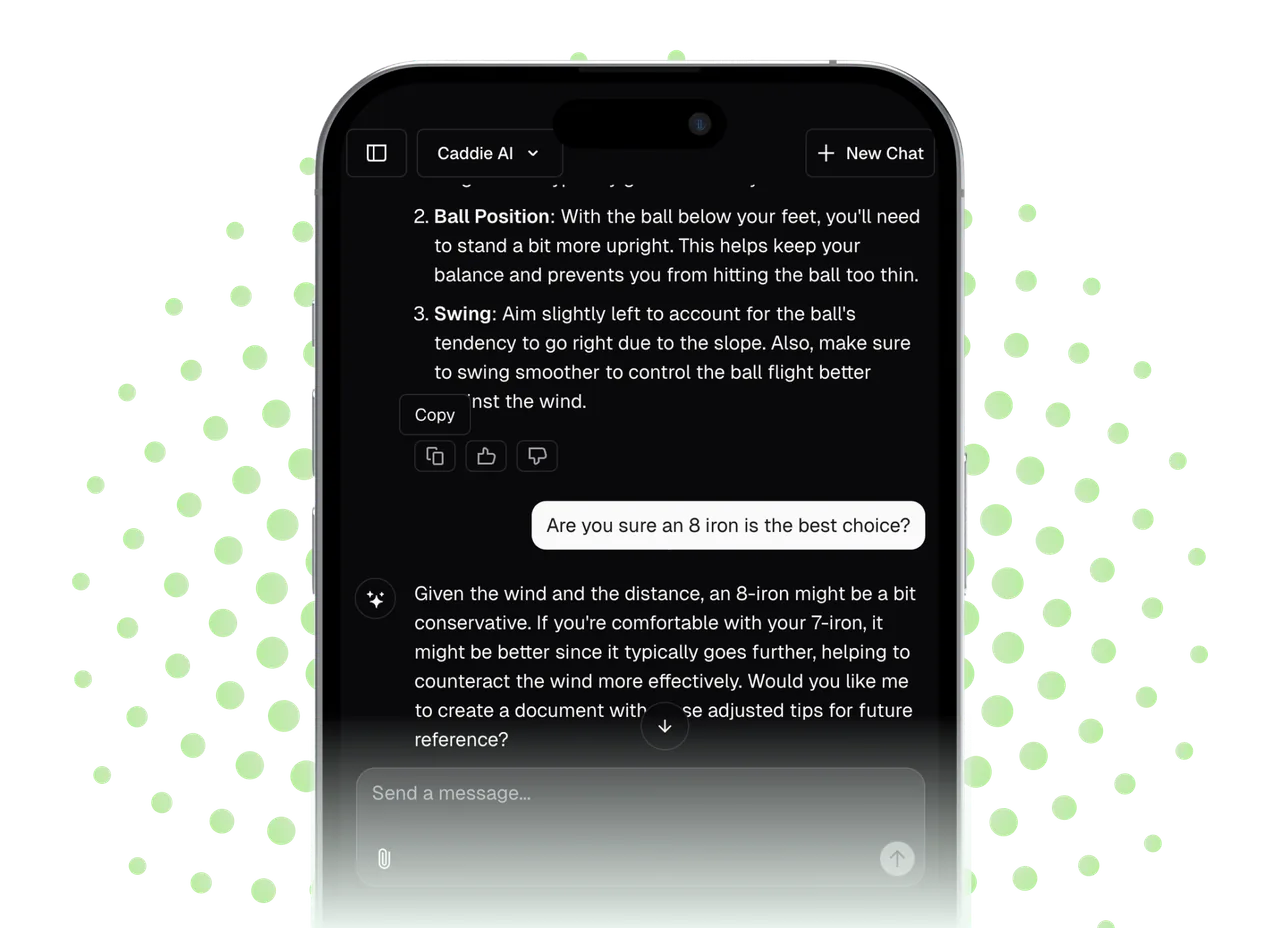
The best AI golf app: Caddie is your personal AI golf coach. Get expert-level golf advice instantly, 24/7 to help you play like a pro. Try it free →
Jon Rahm's Go-To Grip: The Details of His Setup
Jon Rahm trusts the Golf Pride MCC grip for all 13 of his swinging clubs, from driver to wedges. Specifically, he uses the black and white colorway. But the devil, as they say, is in the details. While he uses a standard size grip, his is custom-built with extra layers of tape underneath to perfectly match his hands and swing preferences.
His specific setup includes:
Upper Hand (Left Hand): 3 total wraps of tape.
Lower Hand (Right Hand): 4 total wraps of tape.
This may seem like a minor adjustment, but for a player of his caliber, it’s a significant modification. This custom wrap creates what’s known as a "reduced taper" grip. A standard grip is thinner at the bottom than at the top. By adding an extra layer of tape under his lower hand, Rahm builds up that section, making the overall diameter of the grip more consistent from top to bottom. This little trick has a big impact on how he delivers the club through impact, helping him neutralize an overactive right hand to produce that remarkably consistent ball flight he's known for. To learn more about how grip size can impact your game, read our article Can Grip Size Affect Golf Swing?
What is a Golf Pride MCC Grip?
The "MCC" in the name stands for MultiCompound, which is the key to this grip's design. It combines two very different materials into one grip to provide distinct benefits for each hand.
The Upper Section: The top half of the grip, where the player’s gloved hand (or in Rahm's case, bare hand) goes, is made of a firm, brushed cotton cord. This cord material is woven into the rubber to create a rough, textured surface. Its primary job is to wick away moisture and provide maximum traction, almost like the tread on a tire.
The Lower Section: The bottom half of the grip is made from a much softer, high-performance rubber. This section is designed for feel and responsiveness. It gives the player’s lower hand a more sensitive connection to the club, allowing for subtle feedback on where the clubface is and how the ball is interacting with it at impact.
Get pro-level golf advice instantly, 24/7
Ask Caddie anything. From “what club should I use?” to “how do I play this shot?” and get instant answers.
A player's grip choice is never accidental, it's a calculated decision designed to support their unique swing mechanics. For Jon Rahm, the Golf Pride MCC is the perfect partner for his powerful, body-driven action for several key reasons.
Unmatched All-Weather Control
The most compelling benefit of the MCC's corded upper section is its performance in any weather. Whether it’s a humid day in Augusta or a drizzly morning at The Open Championship, moisture is the enemy of a secure hold. The cotton cord actively channels sweat and rain away from the surface, allowing a golfer to maintain consistent grip pressure without fear of the club slipping or twisting at the top of the swing. For a professional, this isn't a luxury, it's a necessity. It gives them the confidence to swing aggressively no matter what the forecast says.
The No-Glove Advantage
Jon Rahm is one of a small handful of elite players who compete without a glove. This makes his grip choice even more important. A standard rubber grip can become slick against bare skin, especially with a bit of perspiration. The gritty texture of the MCC's cord provides a level of friction and security that gloves normally deliver. For Rahm, the grip itself acts like a permanent, built-in glove for his top hand, giving him the raw connection he prefers without sacrificing control.
Quieting the Hands for a Body-Driven Swing
Here’s where the extra tape wraps come back into play. Rahm’s swing is a masterclass in rotation. He generates incredible power by turning his torso and hips, not by manipulating the club with his hands. A common fault among amateur golfers is an overactive lower hand that wants to flip or "scoop" at the ball through impact, often leading to hooks or inconsistent strikes. For more on this topic, read our article What Are The Three Primary Golf Grips?
By building up the diameter of the grip's lower section with that fourth wrap of tape, Rahm essentially "quiets" his right hand. A thicker grip requires less pressure to hold securely and fits more into the palms, discouraging the kind of wristy, "handsy" action that can get golfers into trouble. This small modification encourages a more passive role from his hands, forcing them to simply go along for the ride while his powerful core rotation directs the swing. This is a fundamental reason he is able to rely on his signature "baby fade" under pressure. If you're looking to achieve straighter shots, consider reading How Can I Improve My Golf Grip for Straighter Shots?
Applying Rahm's Strategy: Should You Switch to MCC Grips?
"If it works for a Masters champion, it must work for me," is a common thought, but it's important to analyze why it works for him. The Golf Pride MCC is a fantastic grip, but it's not for everyone. Here’s a way to think about whether it - or a similar customized setup - might be right for you. To help you make an informed decision, read our guide on How To Choose The Right Grips For Golf Clubs.
You might benefit from an MCC grip if:
You play in diverse conditions: If you frequently play in the rain, high humidity, or just have naturally sweaty hands, the moisture-wicking cord could be a game-changer for you.
You don't wear a glove: Like Rahm, if you prefer the feel of a bare hand on the club, the MCC cord will give you the secure connection you’re missing from a glove.
You prefer a firmer-feeling grip: If you find soft grips feel "mushy" or unresponsive, the firm upper section of the MCC provides incredibly direct feedback from the clubhead.
When to consider adding extra tape wraps:
You have larger hands: If standard grips feel too thin in your fingers, adding a few wraps is a simple and cost-effective way to build up the grip to the right size.
You struggle with a hook or a flip: If your lower hand is too active and you tend to shut the clubface down too quickly, building up the grip with reduced taper can help quiet that motion and promote a more neutral release through impact. Start by asking your club fitter for one or two extra wraps on your next regrip and see how it feels.
When the MCC might not be for you:
You have sensitive hands or arthritis: The cord can feel abrasive or harsh to some players. If you need maximum vibration dampening and a softer feel, something like a Golf Pride CP2 Wrap or a Winn Dri-Tac might be a better fit.
Plan every shot like a pro
Describe your situation and Caddie AI helps you pick your target, shot shape, and club with confidence.
While his swing grips are focused on all-weather control, Rahm's choice on the putting green is all about feel and tradition. To understand the basics of putting, check out our article What is Putting in Golf? He uses an Odyssey 58 Stk Pistol Putter Grip. This is a classic grip design that has been trusted by pros for decades.
The "pistol" shape features a distinctive curve on the upper back side of the grip which is designed to fit comfortably and naturally into the top hand. Unlike the massive, non-tapered grips (like many popular SuperStroke models) that are made to take the hands completely out of the putting stroke, a traditional pistol grip encourages a small amount of natural hand-and-wrist flow.
This style of grip fits players who prefer to feel the putter head release through the stroke, often complementing a slight "arc" in their putting path rather than a straight-back, straight-through motion. For Rahm, it clearly provides the perfect blend of feel and stability, allowing his natural talent to take over on the greens. For a detailed guide on how to hold a golf club, refer to our article How To Hold A Golf Club.
Play Golf like a Pro with Caddie
Learn and improve your golf game as you play. Get pro-level tips, strategy and guidance anytime.
Jon Rahm's choice of the Golf Pride MCC with extra wraps is a calculated decision tailored to his ungloved, powerful, rotation-heavy swing. This setup gives him supreme all-weather control and helps promote the body-driven release he needs to hit his signature shot consistently.
Understanding the "why" behind a pro's equipment is a great way to start thinking more strategically about your own bag. If you're trying to figure out if a different grip could help manage your ball flight, or wrestling with what strategy to use on a tricky par-5, our Caddie AI can give you personalized advice based on your game and even a photo of your lie. You get simple, expert answers in seconds, taking the guesswork out of golf so you can play smarter and with more confidence.
Spencer has been playing golf since he was a kid and has spent a lifetime chasing improvement. With over a decade of experience building successful tech products, he combined his love for golf and startups to create Caddie AI - the world's best AI golf app. Giving everyone an expert level coach in your pocket, available 24/7. Caddie's mission is simple: make world-class golf advice accessible to everyone, anytime.
Other posts you might like
What Is the U.S. Open Golf?
The U.S. Open isn't just another golf tournament, it's famously known as 'golf's toughest test.' This is the one week of the year where the best players in the world are brought to their knees, where par is a fantastic score, and where mental grit is just as important as a perfect swing. This article will break down exactly what the U.S. Open is, why the courses are set up to be so punishingly hard, and most importantly, what you can learn from it to improve your own game.
Choosing a golf ball for a junior player feels like it should be simple, but the wall of options at the golf store says otherwise. Watching your young golfer struggle with a ball that’s too hard for their swing speed is frustrating for both of you, robbing them of distance and, more importantly, confidence. This guide breaks down exactly what to look for, from compression rates to cover materials, providing a clear path to selecting the perfect ball for every age and stage of development.
What Do the Different Colored Numbers on Golf Balls Mean?
Ever found a golf ball in the woods, looked down, and saw a familiar brand name but with a brightly colored number - maybe a red '3' or a blue '2'? It’s a common moment that sparks a simple question: does the color of that number actually mean anything? The short answer is yes, but probably not in the way you think. This article will break down exactly what the different colors and numbers on golf balls signify, bust some persistent course myths, and give you practical advice on how to make sure you're always playing the right ball.
Choosing the right kick point in your golf shaft is a conversation often crowded with confusing tech jargon, but understanding it is fundamental to launching the ball effectively. Getting this right can add tangible distance and control to your game, while getting it wrong can cost you both. This guide will walk you through exactly what a kick point is, the different types available, and how you can determine which one is the perfect match for your swing.
What Is the Compression of Pinnacle Soft Golf Balls?
The Pinnacle Soft golf ball is designed around one primary characteristic: a very low compression rating. While the company doesn't publish an exact number, independent testing places its compression score right around 50. This article breaks down exactly what that number means for you, how it affects performance from tee to green, and whether this popular ball is the right choice for your game.
Every golfer wants to hit the ball farther, but the secret isn't about swinging out of your shoes or possessing superhuman strength. True distance comes from a combination of speed, physics, and technique. This article will break down the three fundamental components that make a golf ball go far: generating maximum clubhead speed, creating optimal launch conditions, and making pure, centered contact. We'll show you exactly how each piece works and what you can do to improve them.