Chants of Beeeef! once echoed across fairways from Europe to America, following a bearded, grinning golfer who became an instant fan favorite. But in recent years, those chants have grown quieter and Andrew 'Beef' Johnston has been a less frequent sight on tour leaderboards. This article breaks down exactly what happened to Beef, covering his meteoric rise, the physical and mental injuries that sidelined him, and what the lovable Englishman is up to today.
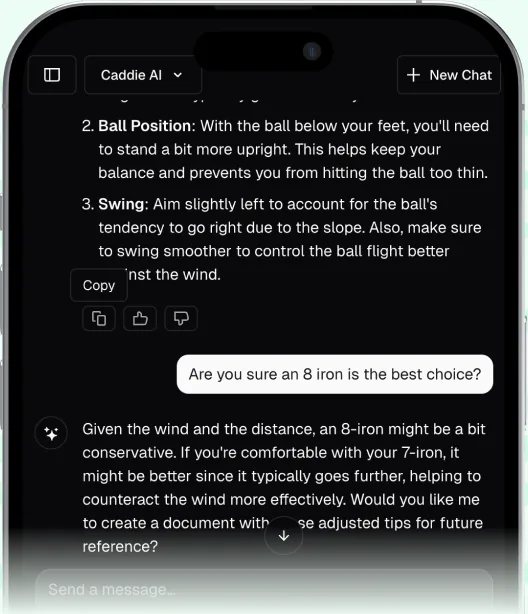
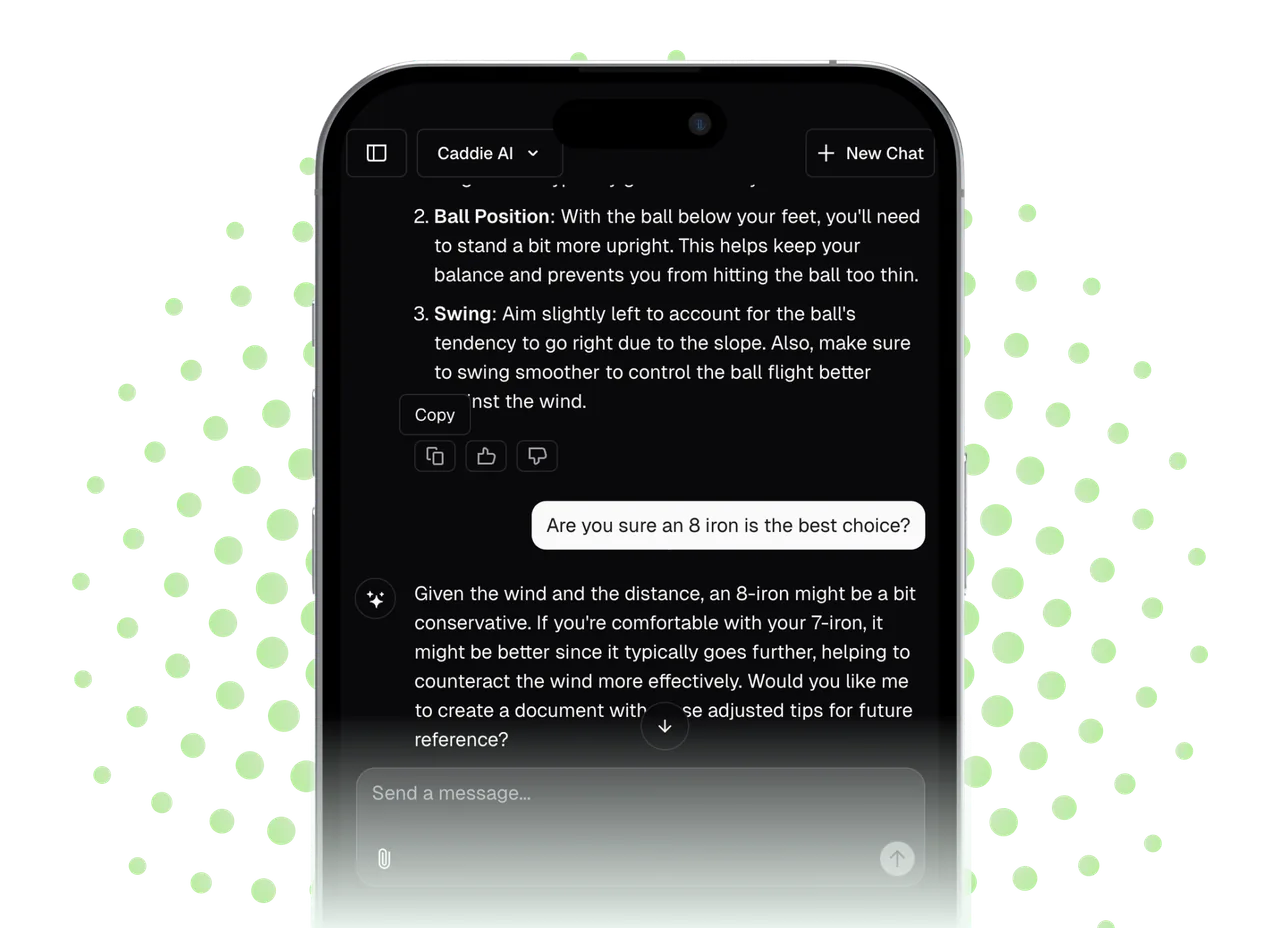
The best AI golf app: Caddie is your personal AI golf coach. Get expert-level golf advice instantly, 24/7 to help you play like a pro. Try it free →
The Meteoric Rise of a Golf Folk Hero
For many golf fans, 2016 was the year of Beef. Andrew Johnston wasn't a new face on the European Tour, but that was the year he burst into mainstream consciousness. It started in April when he carded a one-shot victory at the Real Club Valderrama to win the Spanish Open, his first European Tour title. His refreshingly honest post-win interview, where he simply said he couldn't wait to "get hammered" with his mates, was a breath of fresh air in a sport often seen as staid and serious.
But the real explosion came a few months later at The 145th Open Championship at Royal Troon. With his beaming smile, signature beard, and constant interaction with the crowd, Beef became the undisputed people's champion. He didn't just look different, he played brilliant golf, finishing in 8th place and earning a legion of new fans on both sides of the Atlantic. The "Beef!" chants were born, and a cult hero was established.
His appeal was simple: he was one of us. He looked more like the guy you'd have a pint with after a round than a finely tuned athlete. He was granted a PGA Tour card for the 2017 season based on his strong play, and the US market eagerly welcomed him. It seemed Beef was on a trajectory to become a global star, but the immense pressure of the tour and the physical nature of the game were about to take their toll.
Get pro-level golf advice instantly, 24/7
Ask Caddie anything. From “what club should I use?” to “how do I play this shot?” and get instant answers.
The transition to the PGA Tour is tough for any player, and for Beef, the heavy schedule and constant travel began to wear him down. While he had moments of solid play, he struggled to find the consistency that defined his 2016 season. But the main culprit behind his disappearance from contention wasn't just a simple dip in form, it was a debilitating injury.
Starting in 2019 and worsening over the next couple of years, Beef began to struggle with a severe tendon injury in his left thumb. From a golf coach's perspective, an injury to the lead hand's thumb is one of the most difficult to overcome. Here's why:
Grip Instability: The thumb is a pillar of support for the club at the top of the swing. When it's injured, the grip feels weak and unstable, shattering a player's confidence before they even start their takeaway.
Pain at Impact: The forces transferred through the club at impact are immense. Hitting a shot, especially a "heavy" one out of the rough, sends a shockwave directly into the hands. An injured thumb turns this into a moment of sharp, searing pain.
Swing Compensations: To avoid pain, a golfer will unconsciously alter their swing. They might grip the club differently, shorten their backswing, or release the club early. These small compensations destroy the repeatability and power of a golf swing that has been grooved over tens of thousands of hours. The body rotates to create power, but when the hands can't properly link that power to the club, the entire sequence breaks down.
He tried to play through it, but the results were a painful-to-watch series of missed cuts and withdrawals. His world ranking, once inside the top 100, plummeted. The joy that once radiated from him on the course was replaced with the visible frustration and pain of a player battling his own body.
Plan every shot like a pro
Describe your situation and Caddie AI helps you pick your target, shot shape, and club with confidence.
While the thumb injury was the physical cause of his struggles, Beef bravely opened up about the profound mental health struggles it had on him. In a 2019 blog post, he admitted that winning had paradoxically made him miserable. The pressure to perform, to live up to the "Beef" persona, and the fear of letting his fans down had stripped the fun from the game.
This is a common, yet rarely discussed, challenge for professional athletes. For us as amateur golfers, a bad round is disappointing. For a pro, a bad round affects their livelihood, their ranking, and their career. When your identity and income are tied directly to your score, it is immensely difficult to maintain a healthy perspective.
Beef's willingness to speak openly about his mental health struggles was just as important as his victory at Valderrama. He gave a voice to the anxiety and self-doubt that every single golfer feels, from a 30-handicapper to a tour pro. He decided to step back, prioritize his health, and undergo surgery on his thumb in early 2022. It wasn’t a retirement, it was a necessary and intelligent reset to save his career and well-being.
A Coaching Takeaway: What We Can Learn from Beef
Beef's journey offers a powerful lesson for all golfers: listening to your body and mind is not a sign of weakness, but a sign of strength. Pushing through sharp pain is one of the worst things you can do. It leads to bad habits and serious injury. Likewise, if golf is consistently making you stressed or unhappy, stepping away for a week or two is often the best medicine. Redefining your golfing goals - from "I must break 80" to "I want to enjoy my walk" - can fundamentally change your relationship with the game for the better.
Play Golf like a Pro with Caddie
Learn and improve your golf game as you play. Get pro-level tips, strategy and guidance anytime.
The Comeback Trail: What is Beef Johnston Doing Now?
So, where is Beef today? The great news is that he is back playing competitive golf. After a long and arduous rehabilitation process, he returned to the DP World Tour in 2023 using a medical exemption. The path hasn't been easy, but in 2024, we are seeing signs of the old Beef returning. He’s making cuts, posting high finishes, and most importantly, he’s playing with a smile on his face again.
Beyond his playing career, he has smartly diversified his presence in the golf world.
Beef's Golf Club Podcast: He co-hosts a hugely popular and often hilarious podcast where he shares stories from tour life and chats with a variety of guests.
YouTube &, Social Media: He maintains a strong online presence, creating vlogs and content that give fans a behind-the-scenes look at his life and comeback journey. He's a natural entertainer, and this format suits him perfectly.
Family Man: He's now a husband and a father to two daughters. This new chapter has clearly given him a balanced perspective on life and golf that was missing during his initial rise to fame.
Andrew 'Beef' Johnston may not be topping every leaderboard, but he is far from gone. He’s navigating the sport on his own terms, blending competition with media work and family life, and carving out a sustainable - and happy - career in the sport he loves.
Final Thoughts
The story of what happened to "Beef" is a tale of a golfer who got everything he ever wanted, only to find it wasn't what he expected. His journey through injury, self-doubt, and recovery has made him an even more relatable and respected figure in the game, showing that true success is about more than just a trophy cabinet.
Dealing with the mental and physical challenges of golf is something every player faces, whether it's a nagging injury or a tricky lie in the trees. Managing your game smartly is vital, and sometimes an expert second opinion can make all the difference. That's why we created Caddie AI. When you're stuck and unconfident, you can snap a photo of your ball and I'll analyze the lie, giving you a clear strategy to help you make the smartest, safest shot and avoid those blow-up holes that can ruin a round.
Spencer has been playing golf since he was a kid and has spent a lifetime chasing improvement. With over a decade of experience building successful tech products, he combined his love for golf and startups to create Caddie AI - the world's best AI golf app. Giving everyone an expert level coach in your pocket, available 24/7. Caddie's mission is simple: make world-class golf advice accessible to everyone, anytime.
Other posts you might like
What Moves First in the Golf Swing?
The single most debated question in golf instruction might be, What moves first in the golf swing? It sends golfers down endless rabbit holes, trying to isolate one body part to kickstart their entire motion. Here's a little secret: it's the wrong question. A powerful, consistent golf swing isn't about one body part moving first, it's about a <strong>chain reaction</strong> where every part moves in the right <em>sequence</em>. This article will stop the guessing and clearly explain the correct sequence for both the backswing and the downswing, giving you drills to finally feel how it all fits together.
Using the wrong practice golf ball can send your game in the wrong direction without you even realizing it. The feel, spin, and flight of the ball you use during your training sessions have a massive impact on how your skills translate to the actual course. This guide will walk you through the different types of practice balls, explaining exactly when and why to use each one to make sure your hard work pays off when it counts.
The maximum number of golf clubs you are allowed to carry in your bag is 14. This rule is straightforward but has important implications for how you play the game, from avoiding a costly penalty to shaping the strategy you use on the course. In this guide, we’ll cover exactly what the rule says, why it exists, the penalties for breaking it, and most importantly, how you can build the perfect 14-club arsenal for your specific game.
Seeing LS stamped on the sole of a shiny new golf driver means one very specific thing: Low Spin. This isn't just marketing jargon, it's a direct description of the club's primary design goal. Understanding what this means for your ball flight and your game is the first step to knowing if this powerful, yet demanding, piece of equipment is the right tool for you. This article will break down exactly what Low Spin means, who benefits from it, who should stay away, and how you can decide if an LS driver belongs in your bag.
Staring at a golf scorecard and seeing the 'HCP' row can feel like trying to decipher a secret code for newer players. You know it’s important, but what exactly do those numbers from 1 to 18 mean, and how do they apply to your game? This guide will break down everything you need to know about the handicap line on a scorecard, explain how it works, and show you exactly how to use it to level the playing field and make your rounds more competitive and fun.
Thinking about getting into golf but have no idea where to start? You’re not alone. The game can seem complicated from the outside, but getting started is much simpler than you think. This guide will walk you through exactly what you need - from the essential gear and on-course attire to the fundamental knowledge that will get you swinging with confidence.