A golf invitational isn't just another tournament on the calendar, it's an exclusive event where the players are hand-selected based on a specific set of criteria. Unlike tournaments open to any qualifier, getting a spot in an invitational means you were specifically asked to be there. This article will break down what that means, how these prestigious events work for both pros and amateurs, and what to do if you're lucky enough to get that coveted invitation.
The best AI golf app: Caddie is your personal AI golf coach. Get expert-level golf advice instantly, 24/7 to help you play like a pro. Try it free →
So, What Exactly Is a Golf Invitational?
At its core, a golf invitational is a tournament with a selective field. Instead of holding open qualifying rounds where hundreds or even thousands of golfers compete for a handful of spots, the organizers of an invitational create their own entry criteria and invite a specific group of players who meet them.
Think of it like being invited to an exclusive party. The host doesn't just open the doors to the public, they send out personal invitations to people they want there. In golf, "the host" is typically a tournament committee, a legendary player (like Jack Nicklaus for The Memorial), or a prestigious club (like Augusta National for The Masters).
The criteria for getting an invite can vary widely, but they always serve to create a smaller, high-quality field. For professional invitationals, this often means inviting:
Past champions of the event.
Winners of major championships.
Players ranked in the top 50 or 100 of the Official World Golf Ranking (OWGR).
Winners of other significant tournaments from the past year.
A select number of sponsor exemptions (special picks).
For amateur events, like a corporate or member-guest invitational, the criteria might be being a valued client, a member of the club, a substantial charity donor, or a friend of a member.
Get pro-level golf advice instantly, 24/7
Ask Caddie anything. From “what club should I use?” to “how do I play this shot?” and get instant answers.
Invitational vs. Open: What's the Real Difference?
This is one of the most common points of confusion for golf fans, but the distinction is pretty straightforward. The key difference lies in the word "open."
An Open Tournament, like the U.S. Open or The Open Championship (often called the British Open), is theoretically open to any golfer who meets a basic handicap requirement and can successfully advance through multiple stages of qualification. While top pros get exemptions into the final field, a portion of the field is filled by golfers - both pro and amateur - who earned their spot by playing their way in through grueling local and sectional qualifiers. It's the ultimate meritocracy, if you're good enough on the day, you get in.
An Invitational Tournament is a closed system. There are no open qualifiers for the public. You either meet the predetermined invitation criteria, or you don't play. This exclusivity is what makes these events so special. The field is intentionally kept smaller, concentrating the tour's top talent and creating marquee pairings from the very first round.
To put it simply: You earn your way into an Open. You are chosen for an Invitational.
The Most Famous Invitationals in Professional Golf
When you look at the PGA Tour schedule, some of the most anticipated events of the year are invitationals. They draw stellar fields, are played on iconic courses, and carry a ton of prestige.
The Masters Tournament
This is the ultimate invitational. Held every April at Augusta National Golf Club, The Masters has perhaps the most famous and stringent set of invitation criteria in all of sports. Augusta National sends its iconic invitations to past champions (who have a lifetime exemption), winners of the other three majors, winners of The Players Championship, recent Olympic gold medalists, and top finishers in various categories and rankings from the previous year. You cannot qualify for The Masters, you must be formally invited.
The Memorial Tournament presented by Workday
Started and hosted by the legendary Jack Nicklaus at his masterpiece course, Muirfield Village Golf Club, The Memorial is a tribute to players who have made significant contributions to the game. Its invitational status allows it to craft an elite field, and a handshake from the Golden Bear behind the 18th green is one of the most respected traditions on Tour.
Arnold Palmer Invitational presented by Mastercard
Played at Arnold Palmer's Bay Hill Club &, Lodge, this tournament carries the spirit of "The King" himself. Winning here isn't just about the prize money or the world ranking points, it's about honoring Palmer's legacy. Like The Memorial, it has elevated status, a smaller field, and a massive amount of prestige.
Plan every shot like a pro
Describe your situation and Caddie AI helps you pick your target, shot shape, and club with confidence.
The Other Side of the Coin: The Amateur Invitational
While the pro versions get all the TV coverage, invitationals are a huge part of the amateur and recreational golf scene. Getting an invite to one of these can be just as exciting for the average golfer as a Tour pro getting a Masters invite.
Member-Guest Invitationals
This is arguably the biggest event of the year for most private golf clubs. Members invite a non-member friend to compete as a team in a multi-day tournament. These events are often elaborate affairs with themed parties, formal dinners, and huge prize tables. A "member-guest" isn't just about golf, it's a major social spectacle and a chance for the club to show off its course and hospitality. Getting an invite is considered a real honor.
Charity and Corporate Invitationals
Many charity fundraisers or a corporate outing also take the structure of an invitational. Instead of selling individual spots, a company or organization might invite key clients, top-performing employees, or generous donors as a thank-you. These often feature fun, friendly formats like a scramble, and the focus is more on networking and having a good time than on serious competition.
Play Golf like a Pro with Caddie
Learn and improve your golf game as you play. Get pro-level tips, strategy and guidance anytime.
So, how does a person actually get an invitation to one of these events? It depends entirely on which side of the ropes you're on.
For the Pros:
It's all about performance. The simplest way to get invited to the big PGA Tour invitationals is to play exceptional golf. Winning tournaments - especially majors - is the easiest path. Consistently high finishes will boost your OWGR, which is a major factor for a lot of invitational criteria. For young rising stars without enough wins yet, their last hope is often a sponsor exemption - a special slot gifted by the tournament sponsor to a player they believe will be a good draw.
For the Amateurs:
Your golf handicap matters far less than your relationships.
For a Member-Guest: It's pretty simple - have a friend who is a member of a private club! Being a good playing partner (someone who is fun, keeps a good pace, and is respectful of etiquette) will certainly help you get invited back.
For a Corporate Invitational: These invitations are tied to business relationships. Being a loyal client, a valuable partner, or a key employee are the typical routes in.
For a Charity Invitational: This often comes down to your generosity. Significant donors to a charity are often rewarded with coveted spots in the organization's annual golf tournament.
You Got Invited! Now What? A Coach's Guide for an Amateur Invitational
Let's say a friend or a business partner invites you to play in their invitational tournament. First, congratulations! Second, don't panic. Here are a few tips to make sure you have a great time and make your host proud.
1. Understand the Format: Most amateur invitationals are not individual stroke play. You'll likely be playing a team format like a Scramble, Best Ball (Fourball), or Shamble. Ask your host for the details so you know what to expect. In a scramble, everyone on your team hits a tee shot, you pick the best one, and everyone plays their next shot from there. It's a low-pressure format designed for fun.
2. Be a Good Partner: Your primary job is to be an enjoyable playing companion. Compliment your host's good shots, be ready to hit when it's your turn, and keep a positive attitude even if your own game is struggling. Nobody likes a playing partner who sulks or gets angry over bad shots.
3. Don't Worry About Your Score: Unless you're a scratch golfer playing in a highly competitive Member-Guest, no one is expecting you to shoot the lights out. Just play your game. In a Best Ball format, your goal is simply to help your partner. If they make a 5 and you can make a 4, you've done your job for the hole.
4. Embrace the Social Side: Invitationals are as much about what happens off the course as on it. Go to the kick-off dinner, stay for the awards ceremony, and thank everyone involved. This is your chance to build stronger relationships with your host and the other guests.
Final Thoughts
In short, a golf invitational is an event built on exclusivity, where entry is a privilege, not a right. Whether it's the pros battling at Augusta or amateurs teeing it up in a corporate scramble, this "guest list only" approach creates a unique and often prestigious atmosphere that sets these tournaments apart from the rest.
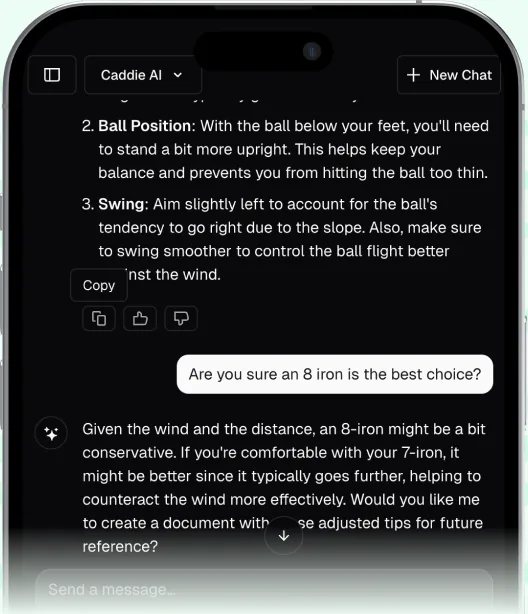
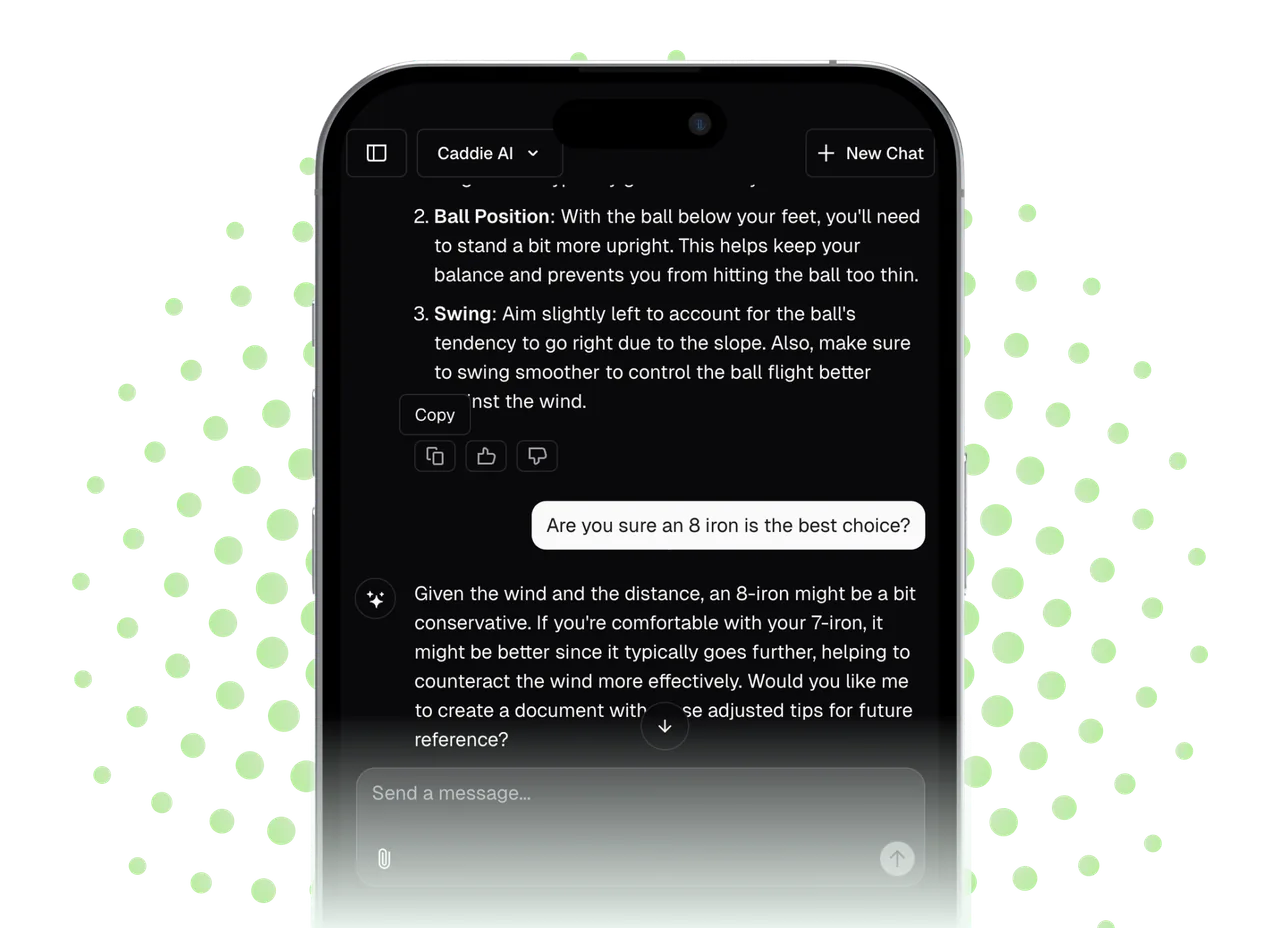
Every golfer knows that tournament play comes with a unique set of challenges, especially when it comes to on-course strategy and decision-making. Tackling a tough hole or handling a tricky lie can be intimidating, whether you're at a special invitational or your local club championship. We created Caddie AI to be that expert voice in your pocket, giving you instant, personalized advice on everything from club selection to shot strategy. By analyzing the situation - you can even upload a picture of your lie - the app provides smart, simple guidance, helping you play with more confidence and turn those uncertain moments into great shots.
Spencer has been playing golf since he was a kid and has spent a lifetime chasing improvement. With over a decade of experience building successful tech products, he combined his love for golf and startups to create Caddie AI - the world's best AI golf app. Giving everyone an expert level coach in your pocket, available 24/7. Caddie's mission is simple: make world-class golf advice accessible to everyone, anytime.
Other posts you might like
What Do You Need to Regrip Golf Clubs?
Worn-out golf grips are costing you shots, but the good news is you can replace them yourself with just a few simple tools and a bit of know-how. Slippery, hardened grips force you to squeeze the club tighter, creating tension that ruins your swing and sending shots offline. This guide will walk you through exactly what you need to regrip your own clubs, from the essential supplies to the step-by-step process, so you can restore that tacky, confident feel and get your gear back in prime playing condition.
A P iron is one of the most common and versatile clubs in any golf bag, yet it’s the one many players know the least about. Plain and simple, the 'P' stands for Pitching Wedge. This article will show you exactly what the pitching wedge does, when to use it for full shots, and why it might just become your most trusted weapon around the greens. You'll learn the simple techniques to hit it crisply and how to choose it with confidence.
You’ve probably heard golfers debating hard and soft golf balls over a post-round drink, but what does that technical talk actually mean for your drives, your iron shots, and your scores? Dropping the technical jargon, a ball’s hardness is one of the most significant factors influencing its performance, and choosing the wrong one can actively sabotage your game. This guide will break down exactly what makes a golf ball hard, who they’re built for, and most importantly, how to figure out if you're leaving yards and feel on the table by playing a ball that's a poor match for your swing.
Almost every golfer searching for a silver bullet has asked, What is the best golf training aid? But the honest truth is, that's not the right question to ask. There is no single best training aid, just as there is no single best golf club. The right training aid for you is the one that fixes <em>your</em> specific, individual swing fault. This article will help you diagnose the most common swing problems and then match the right type of training aid to that issue, putting you on a real path to improvement.
Collin Morikawa plays the TaylorMade TP5 golf ball, and his choice is a masterclass in selecting equipment that perfectly complements a player’s strengths. This article will go beyond just the name of the ball, we’ll look at the specific performance reasons why one of the world's best iron players trusts the TP5. More importantly, we’ll turn those insights into a practical guide you can use to find the right golf ball for your own game.
Figuring out the right size golf clubs for a junior golfer isn't just a detail, it's one of the most important first steps you can take for their game. Using clubs that don’t fit properly can create frustrating swing problems and make the game feel like a chore instead of a joy. This guide will walk you through exactly how to determine the correct size, what to look for when you're checking the fit, and why skipping this step can cause big issues down the road.