A semi-private golf course operates on a hybrid model, offering the best of both the public and private golf worlds. In simple terms, it's a privately-owned course that sells annual memberships but also allows the general public to play by paying a daily green fee. This article will break down exactly what that means for you as a golfer, outlining the experience for both members and public players, comparing it to other types of courses, and giving you the framework to decide if it’s the right fit for your game.
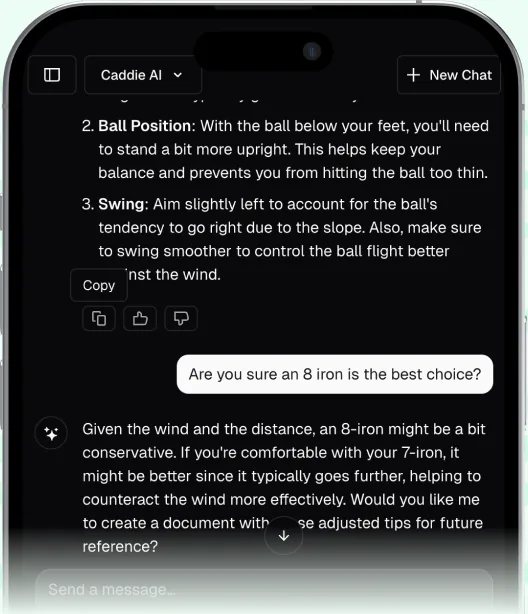
The best AI golf app: Caddie is your personal AI golf coach. Get expert-level golf advice instantly, 24/7 to help you play like a pro. Try it free →
What Exactly Is a Semi-Private Golf Course?
Think of a semi-private course like a fantastic restaurant that has a popular regular-seating area but also a special VIP section. Anyone can make a reservation and enjoy a great meal (the public golfer), but the VIPs (the members) pay an extra fee for guaranteed tables, off-menu specials, and other perks. It's built on a foundation of two distinct revenue streams: membership dues and public green fees.
Here’s the basic breakdown:
The Membership Side: A core group of golfers pays monthly or annual dues. In exchange, they receive a package of benefits that make playing easier, more affordable, and more engaging. These are the club's "regulars."
The Public Side: The course allocates a certain number of its daily tee times to non-members. These golfers simply pay a one-time green fee for their round, just like they would at a municipal or daily-fee course.
This dual-income model gives the course financial stability. Membership dues provide a predictable baseline of revenue that helps fund course maintenance, capital improvements, and staff salaries. The public green fees supplement this, especially during off-peak hours or seasons, helping to maximize the course's earning potential. For golfers, this usually translates to a well-maintained facility that offers different levels of access based on commitment and budget.
Get pro-level golf advice instantly, 24/7
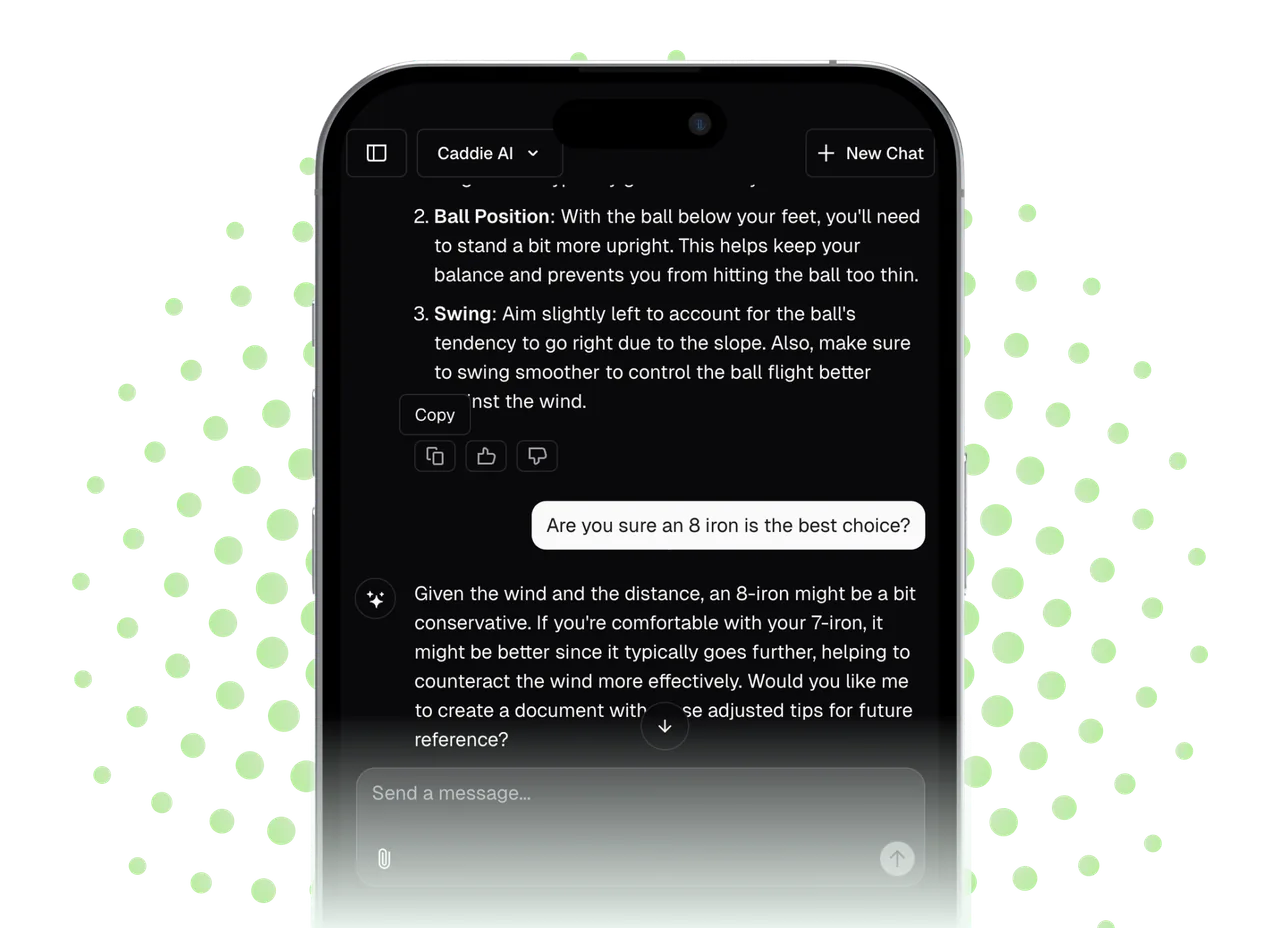
Ask Caddie anything. From “what club should I use?” to “how do I play this shot?” and get instant answers.
Becoming a member at a semi-private club is about buying convenience, community, and cost-effectiveness. If you play golf regularly, the benefits can quickly outweigh the cost of joining. Let’s look at what that membership sticker on your bag typically gets you.
Priority Tee Times
This is arguably the biggest and most immediate benefit. Members almost always get booking priority. While the general public might only be able to reserve a time 3-7 days in advance, members can often book 14 days or more ahead. This completely removes the stress of scrambling for a Saturday morning spot. You and your regular foursome can lock in your preferred time slots well in advance, making it far easier to schedule your golf life. No more settling for that 2:30 p.m. tee time in the heat 'cause it's all that's left.
Significantly Reduced Costs
If you're a numbers person, this is where a membership shines. While there’s an initial investment in annual dues, your per-round cost plummets if you play frequently. For example, if the public green fee is $80 and you play just twice a week, that’s over $600 a month. A membership might cost $300-$400 a month and let you play as much as you want. Do the math based on your own playing habits. Beyond green fees, memberships often include:
Unlimited access to the driving range and practice facilities.
Discounted or included cart fees.
Lower fees for any guests you bring to play.
Discounts in the pro shop and restaurant.
A Built-In Golf Community
A semi-private course offers a fantastic way to find people to play with. You’ll automatically have a social circle of fellow golfers. These clubs thrive on creating this atmosphere through member-exclusive events, such as:
Club Championships and Stroke Play Events: A chance to test your game under competitive pressure against your peers.
Member-Guest Tournaments: One of the social highlights of the year, where you get to invite a friend to team up for a multi-day event.
Weekly Leagues: Casual men’s, women’s, or senior leagues create standing tee times and an easy way to meet new playing partners.
The Public Golfer Experience: Is a Semi-Private Course for You?
If you aren’t ready to commit to a membership, a semi-private club is often your ticket to playing a higher-caliber golf course. It’s a chance to trade up from your regular muni or daily-fee track for a special occasion or just when you want a better experience.
Access to A Better Golf Course
Because these courses are funded by both public fees and member dues, they generally have a healthier budget for maintenance. The superintendent isn't just answering to a business owner, they're also accountable to a base of regular members who expect excellent conditions. For the public golfer paying a green fee, this often means smoother greens, better-manicured fairways, and more thoughtfully conditioned bunkers than you’d find at many purely public facilities. You're typically paying for a premium golf experience without the long-term commitment.
Understand the Limitations
While the front gate is open, public access comes with a few caveats. The biggest one is tee time availability. The prime real estate - those coveted 7:30-10:00 a.m. slots on weekends - are almost always blocked off for members. As a public player, expect to find tee times in the afternoons or on less-busy weekdays.
You can also expect to pay more than you would at other public courses. A semi-private facility’s green fee is priced to reflect its superior conditions and to make membership feel like a good value. However, many golfers find this premium is well worth it for an occasional treat or when showing a visiting friend a nice course.
Plan every shot like a pro
Describe your situation and Caddie AI helps you pick your target, shot shape, and club with confidence.
Semi-Private vs. Private vs. Public: A Quick Comparison
Understanding where semi-private courses fit requires looking at the whole landscape. Here’s a simple side-by-side to clarify the major differences.
Private Clubs
Access: Exclusive. Members and their invited guests only, with strict rules. Public play is not allowed.
Cost: The highest tier. Requires a sizable initiation fee (which can range from thousands to six figures) plus substantial monthly dues.
Vibe: Can be formal and traditional, with a deep-rooted history and a tight-knit, exclusive community. Decisions are made by a board of directors or an owner for the benefit of members alone.
Semi-Private Courses
Access: The happy medium. Members receive priority access and benefits, while the general public can book and play available tee times.
Cost: Mid-range. Membership is far more affordable than at a private club, and public green fees are higher than at a municipal course.
Vibe: Social and inviting. It blends the community feel of a membership with the accessibility of a daily-fee course. Many former private club members find them less stuffy and more laid-back.
Public Courses (Municipal & Daily-Fee)
Access: Open to all. The booking system usually treats nearly everyone the same, often on a first-come, first-served basis.
Cost: The most affordable option. Designed to accommodate high volumes of play at a friendly price point.
Vibe: Come one, come all. It’s the most diverse environment, welcoming everyone from beginners and juniors to seasoned players just looking for an afternoon round. Conditions can vary widely based on budget and traffic.
Play Golf like a Pro with Caddie
Learn and improve your golf game as you play. Get pro-level tips, strategy and guidance anytime.
Feeling stuck between joining a semi-private club and continuing to play public golf? Here's a simple framework to help you decide.
Ask Yourself These Questions:
How Often Do I Really Play? Be honest here. If you average two or more rounds per month at the same course, it’s time to at least run the numbers on a membership. Calculate your break-even point where the membership dues would be cheaper than what you already spend on green fees and range balls.
Do I Want a 'Home Course' Community? Are you looking for regular gaming partners and a familiar locker room? Or do you prefer the adventure of testing your game on a different course every weekend? Neither answer is wrong - it's about what you value most.
What Am I Looking for in Course Conditions? If you get frustrated by slow, bumpy greens or patchy fairways, stepping up to a semi-private gives you a better shot at playing on consistently high-quality turf.
Your Best Move: Take a "Test Drive"
Before you even think about writing a check for a membership, play the course several times as a public guest. Do it at different times of day and different days of the week. Get a feel for the pacing, the culture, and, most importantly, the conditions when no one is trying to sell you anything. Hit some balls on the practice range, have a bite to eat in the clubhouse, and chat with members or pro shop staff. See if it feels like a place you want to call your second home.
Final Thoughts
A semi-private golf course provides a wonderful middle ground in the golf ecosystem, giving committed regulars the perks of membership while letting occasional players enjoy a higher-end experience. The choice of where to play ultimately depends on how frequently you play, your budget, and whether you're looking for a community to join or the freedom to roam.
No matter where you choose to play, stepping onto an unfamiliar tee box can be a bit daunting. This is why we designed Caddie AI to act as your on-demand expert. When you tee it up - whether at a new private course as a guest or your local semi-private club for the first time - you can get simple, smart strategy for any hole. If you find yourself in a tricky spot in the trees, snap a photo and ask for advice on the best way out. Our job is to take the guesswork out of your round so you can commit to every swing with confidence, knowing you have a smart play in mind.
Spencer has been playing golf since he was a kid and has spent a lifetime chasing improvement. With over a decade of experience building successful tech products, he combined his love for golf and startups to create Caddie AI - the world's best AI golf app. Giving everyone an expert level coach in your pocket, available 24/7. Caddie's mission is simple: make world-class golf advice accessible to everyone, anytime.
Other posts you might like
What Are the Different Golf Clubs?
Walking up to your golf bag and seeing 14 different clubs can feel just a little overwhelming, especially when you're starting out. Each one has a different shape, length, and purpose, and figuring out which one to use can seem like a puzzle. This guide will break down each type of club, explaining what it does and when to use it, so you can pull the right tool for the job with total confidence.
Ever wonder if that fancy, five-pronged plastic tee you see in commercials is the secret weapon used by your favorite PGA Tour player? Here’s the straightforward answer: almost all professional golfers use the cheapest, simplest, and most traditional golf tees available - standard wooden ones. This article will explain exactly why they stick with the basics, break down what actually matters when teeing up a ball, and show you how to apply the same principles to your own game.
You’ve probably heard commentators on TV mention a TPC course during a PGA TOUR broadcast, maybe referencing iconic spots like the island green at TPC Sawgrass or the wild stadium atmosphere at TPC Scottsdale. Seeing those perfectly manicured fairways and challenging greens might make you wonder what, exactly, makes a course earn that three-letter designation. This guide will explain what the TPC network is all about, what makes these courses different from your local club, and how you, the everyday golfer, can get the chance to walk in the pros' footsteps.
Chasing down the best golf ball on the market is a fool's errand. The right question to ask is, What is a good golf ball for <em>my</em> game? Finding the perfect ball isn't about buying the most expensive option, it's about matching the ball's technology to your unique swing, speed, and on-course needs. This guide will walk you through the essential components of a golf ball and give you a simple framework to choose the one that will lower your scores and make the game more fun.
Seeing that Handicap row on a golf scorecard for the first time can feel like you're trying to read a foreign language. You are not alone. Understanding what it means and how to use it is one of the most common questions golfers have, but it's the direct path to making golf more fair, competitive, and fun. This article will show you exactly how to read and apply your handicap on any scorecard so you can stop guessing and start playing with confidence.
Putting an end to slow, five-hour rounds doesn’t mean you have to rush, it just requires a smarter, more efficient approach to moving around the course. That simple, commonsense approach is called Ready Golf. This guide will break down exactly what Ready Golf is, why it makes the game more enjoyable for everyone, and how you can implement it in your very next round without disrupting etiquette or stepping on your partners' toes.