The name on almost every golfer's lips a few times a year is major champion, but one major trophy stands apart for its unique story and sheer presence: the Wanamaker. This massive silver cup is the prize for conquering the PGA Championship, one of the four most important tournaments in men’s professional golf. This article will guide you through its rich history, its famous disappearance, and what it truly takes for a golfer to be the last one standing to hoist it high.
The best AI golf app: Caddie is your personal AI golf coach. Get expert-level golf advice instantly, 24/7 to help you play like a pro. Try it free →
What Exactly Is the Wanamaker Trophy?
The Wanamaker Trophy is awarded to the winner of the PGA Championship. Simple as that. It's a symbol of greatness, an entry pass into an exclusive club of golf legends. Standing nearly 2.5 feet tall and weighing 27 pounds, it's one of the largest and most recognizable trophies in all of sports.
Each year, the PGA Championship victor has the honor of having their name etched into the side of this impressive sterling silver trophy. After the celebration, the champion receives a slightly smaller keeper replica (just under 90% of the original size) to display at home. The original Wanamaker, with its decades of history and the engraved names of icons like Jack Nicklaus, Tiger Woods, and Ben Hogan, is returned to go on display until it's time to be won again the following year.
But the Wanamaker is more than just a prize. It's a foundational piece of professional golf history, born from a desire to give professional players a championship of their own.
Get pro-level golf advice instantly, 24/7
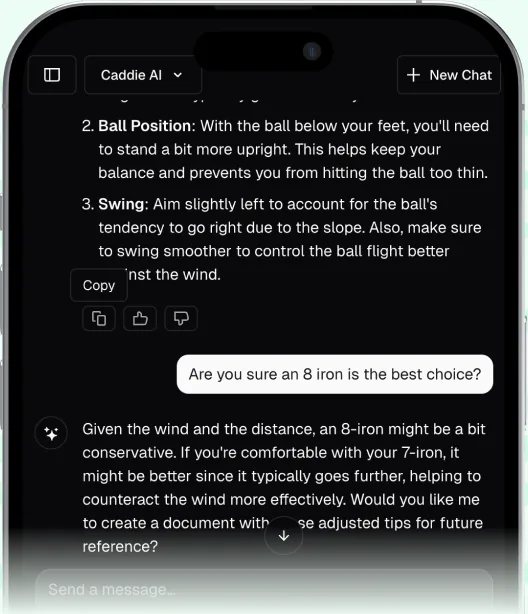
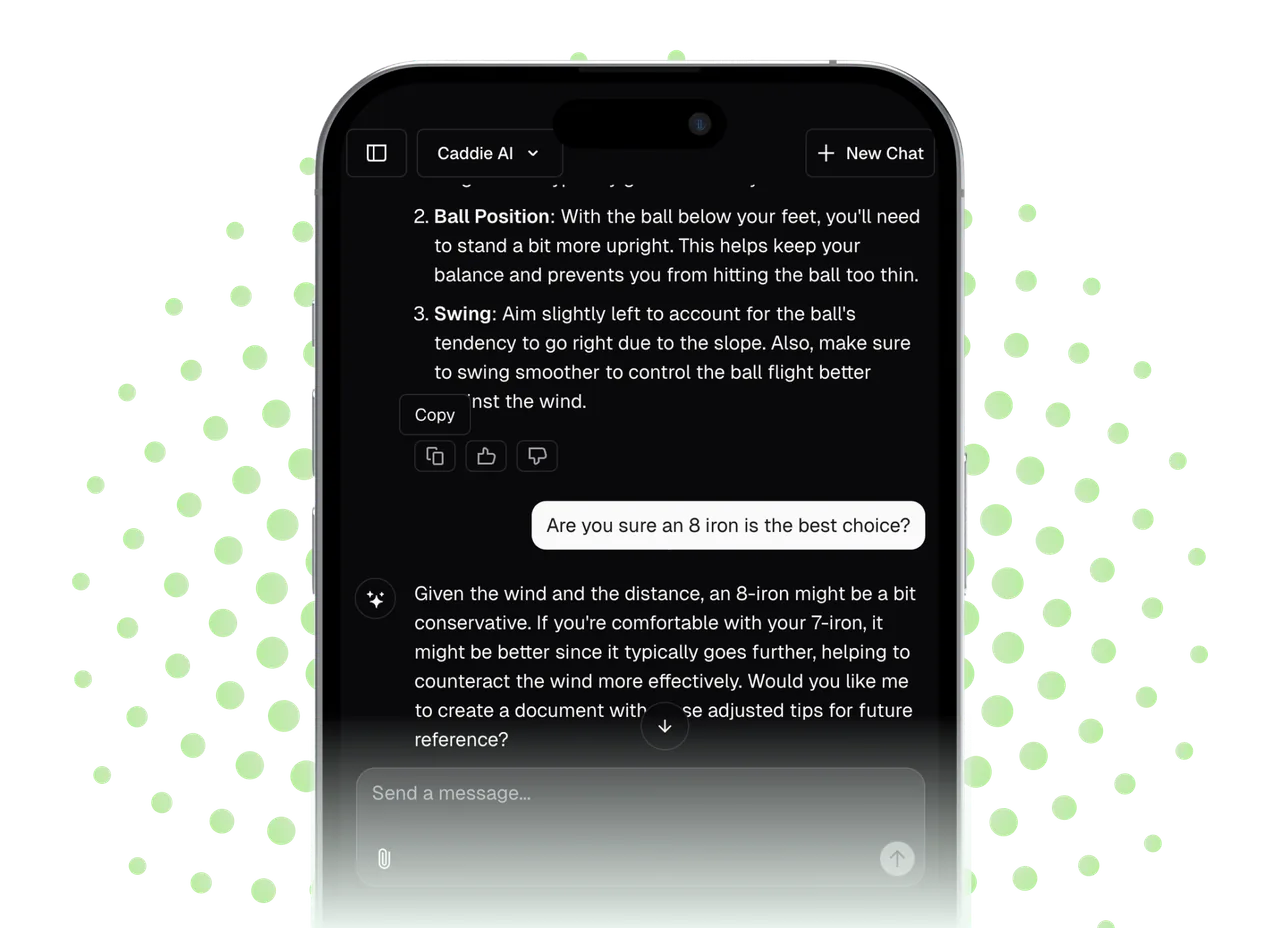
Ask Caddie anything. From “what club should I use?” to “how do I play this shot?” and get instant answers.
You can't tell the story of the trophy without talking about the man who gave it its name. Rodman Wanamaker was a wealthy American department store magnate and a passionate patron of golf in the early 20th century. At the time, golf was largely dominated by rich amateurs, and professional golfers were often seen more as instructors or club employees than as premier athletes. Wanamaker wanted to change that.
In 1916, Wanamaker gathered a group of prominent professional golfers and club manufacturers for a luncheon at the Wykagyl Country Club in New Rochelle, New York. His vision was clear: to create an organization that would promote the interests of professional golfers and establish a championship worthy of their immense talent. That meeting led to the formation of the Professional Golfers' Association of America - the PGA.
To give the new organization's flagship tournament the prestige it deserved, Wanamaker personally funded the creation of a magnificent trophy. He put up $2,500 of his own money (a significant sum at the time) and commissioned what would become the Wanamaker Trophy. The very first PGA Championship was held that same year, in October 1916, at Siwanoy Country Club in Bronxville, New York. An English-born professional, Jim Barnes, won the inaugural event, becoming the first golfer to ever have his name engraved on the iconic cup.
"The Great Escape": The Trophy’s Famous Lost-and-Found Saga
One of the most enduring legends in golf involves the Wanamaker Trophy and one of the sport's most colorful characters, Walter Hagen. "The Haig," a flamboyant and supremely talented golfer, dominated the PGA Championship in the 1920s, winning it four consecutive times from 1924 to 1927 in its original match-play format.
The story goes that after his fourth victory, Hagen was expected to return the trophy to the PGA. However, the details get hazy. The prevailing legend is that he casually told officials he had no intention of handing it back, wanting them to create a new one for the next champion. Whether he was serious or joking, the problem became very real a few years later when tournament time rolled around and officials asked for it back.
Hagen was forced to admit he had no idea where it was. In one version of the story, he claims he left it in the back of a taxi after a night of celebrating. For several years, the Wanamaker Trophy was officially lost.
The PGA, in a pinch, had to create a replacement. The original trophy remained missing until 1930. It was discovered by a porter cleaning out the dusty cellar of a Detroit-based company called L.A. Young &, Company - which just so happened to be the firm that manufactured Walter Hagen's personal brand of golf clubs. The trophy was found safe and sound in an unmarked crate.
Today, both the incredible original trophy commissioned by Rodman Wanamaker and the "lost years" duplicate are owned by the PGA of America, adding a rich, almost unbelievable chapter to its history.
Plan every shot like a pro
Describe your situation and Caddie AI helps you pick your target, shot shape, and club with confidence.
The Road to a Major Victory: What Does it Take to Win?
Winning the PGA Championship and lifting the Wanamaker Trophy is the culmination of an entire career's worth of work. It requires more than just a perfect swing, it demands a unique combination of physical skill, strategic genius, and a rock-solid mind. As a coach, this is what I explain to aspiring golfers who dream big.
Step 1: Build a Repeatable Swing That Holds Up
Major championships are golf's ultimate pressure cooker. Every shot is magnified, and the tension can cause even the most solid swings to break down. The key is to have an action that is reliable when the nerves are jangling.
I focus my students on the core idea that the swing is a rounded, rotational action powered by the body. It’s a turn and an unwind, not an up-and-down chopping motion driven by the arms. When you rotate your torso and your hips, you build power efficiently and create a much more consistent swing path. An armsy swing is subject to timing and will fall apart under pressure. A body-driven swing, anchored in good setup and balance, is something you can trust when your heart is pounding on the 18th tee on Sunday.
Step 2: Master Course Strategy and Management
The PGA of America is famous for setting up some of the most difficult and demanding golf courses in the world for its championship. The rough is thick, the greens are fast, and trouble lurks everywhere.
Merely being a great ball-striker isn’t enough. Wanamaker winners are master strategists. They understand:
When to Attack and When to Play Safe: They know which pins to go for and which ones to ignore, aiming for the fat part of the green instead.
The Value of a "Boring" Par: A tap-in par after playing smartly to the middle of the green is priceless. Trying to be a hero from the rough often leads to doubles and triples that take you out of the tournament.
Damage Control: Bad shots will happen. The winner isn't the player who hits every shot perfectly, but the one who manages their misses best. This means taking your medicine, punching out of the trees instead of attempting the impossible shot, and walking away with a bogey instead of a disaster.
Step 3: Develop a Champion’s Mindset
Finally, the battle is won between the ears. Over four long days, a player will face adversity in countless forms - a bad bounce, a missed short putt, a string of bogeys. The champion is the one who can process it, let it go, and commit fully to the next shot.
This means staying patient. It’s not a sprint, it’s a grueling marathon. Brooks Koepka, a three-time PGA Champion, is famous for his almost icy demeanor at major championships. He doesn’t get too high after birdies or too low after bogeys. This mental stability is what separates the great from the good and is the final piece of the puzzle to hoisting that legendary trophy.
Play Golf like a Pro with Caddie
Learn and improve your golf game as you play. Get pro-level tips, strategy and guidance anytime.
Want to impress your friends during PGA Championship week? Here are a few great details about golf's most storied prize.
Dimensions: It’s 27 inches tall, 10.5 inches in diameter from handle to handle, and weighs 27 pounds. Golfers often comment on its surprising weight when they lift it.
The Most Wins: Jack Nicklaus and Walter Hagen share the record for the most PGA Championship victories, with five wins each. Tiger Woods is right behind them with four.
The Nicklaus-Wanamaker Trophy: To honor one of the sport's greatest champions, the official smaller "take-home" replica given to the winner is officially named the Nicklaus-Wanamaker Trophy.
Every Name Gets Added: Each champion's name, along with the year and course they won at, is inscribed on its base, adding another layer to the living history of the sport.
Final Thoughts
The Wanamaker Trophy is far more than a sterling silver cup. It's a testament to the rise of the professional golfer, a symbol of one of golf's toughest examinations, and an artifact with a story so entertaining it feels like fiction. It represents the pinnacle of achievement in a sport where greatness is measured over a long, hard-fought week.
While hoisting the Wanamaker Trophy remains a dream for most, playing with the same kind of strategic-level thinking doesn't have to be. We built Caddie AI to put that expert strategy right in your pocket. From getting a smart game plan on a difficult tee shot to analyzing a tricky lie, our goal is to give you course management advice in seconds, so you can play with more confidence and turn those potential blow-up holes into manageable scores.
Spencer has been playing golf since he was a kid and has spent a lifetime chasing improvement. With over a decade of experience building successful tech products, he combined his love for golf and startups to create Caddie AI - the world's best AI golf app. Giving everyone an expert level coach in your pocket, available 24/7. Caddie's mission is simple: make world-class golf advice accessible to everyone, anytime.
Other posts you might like
What Is a 50 Handicap in Golf?
Seeing a 50 next to your name on the handicap sheet might feel a little jarring, but it’s honestly one of the most exciting positions to be in as a golfer. It means you’re officially in the game, you have a benchmark, and your path to improvement is crystal clear. This article will show you exactly what a 50 handicap means, how it works, and a straightforward, no-nonsense plan to start lowering it immediately.
The secret to shooting consistently lower scores isn’t crushing your driver 300 yards, it's what you do with the clubs in your hands from 100 yards and in. This is the scoring zone, where eagles are rare, pars are saved, and big numbers are avoided. This guide will walk you through each of your scoring clubs, explaining exactly what they do and giving you simple, actionable advice to turn them into the most reliable tools in your bag.
Ever pull a scuffed ball out of your bag for a risky shot over water, a different model from the shiny new one you used on the tee? That’s smart strategic thinking for a casual round, but in a serious competition, it could earn you a hefty penalty. This is where the One Ball Rule comes into play, a specific regulation that's important for competitive golfers to understand. This guide will walk you through exactly what the One Ball Rule is, who it applies to, and how to navigate it so you can play with confidence and avoid mistakes.
The spinner is one of those golf shots that separates good short-game players from great ones. It’s that low, sizzling wedge shot you see on TV that takes one or two hops and then slams on the brakes right next to the pin. This article will show you exactly what a spinner is, when to use it, and provide a clear, step-by-step guide to help you add this game-changing shot to your own arsenal.
The first tee box has its own set of unwritten rules and friendly rituals, and the tee flip is one of the most common and beloved traditions in the game. It’s a simple, elegant solution for deciding who has the honor of teeing off first when no one in your group clearly holds it from the previous round. This guide will walk you through exactly what a tee flip is, the easy way to do it, and why this small ritual is such a big part of golf's spirit and camaraderie.
Deciding which club to grab for a long shot can be a make-or-break moment in your round. Standing on the tee of a Par 5 or facing a long second shot, the choice between a driver, a 3-wood, or a hybrid can feel complicated. This guide breaks down the different types of woods in golf, explains what each one is designed for, and gives you simple, actionable advice on how to use them effectively.