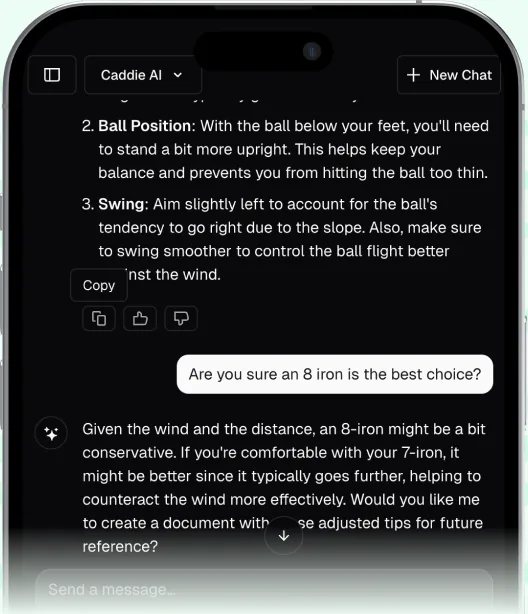
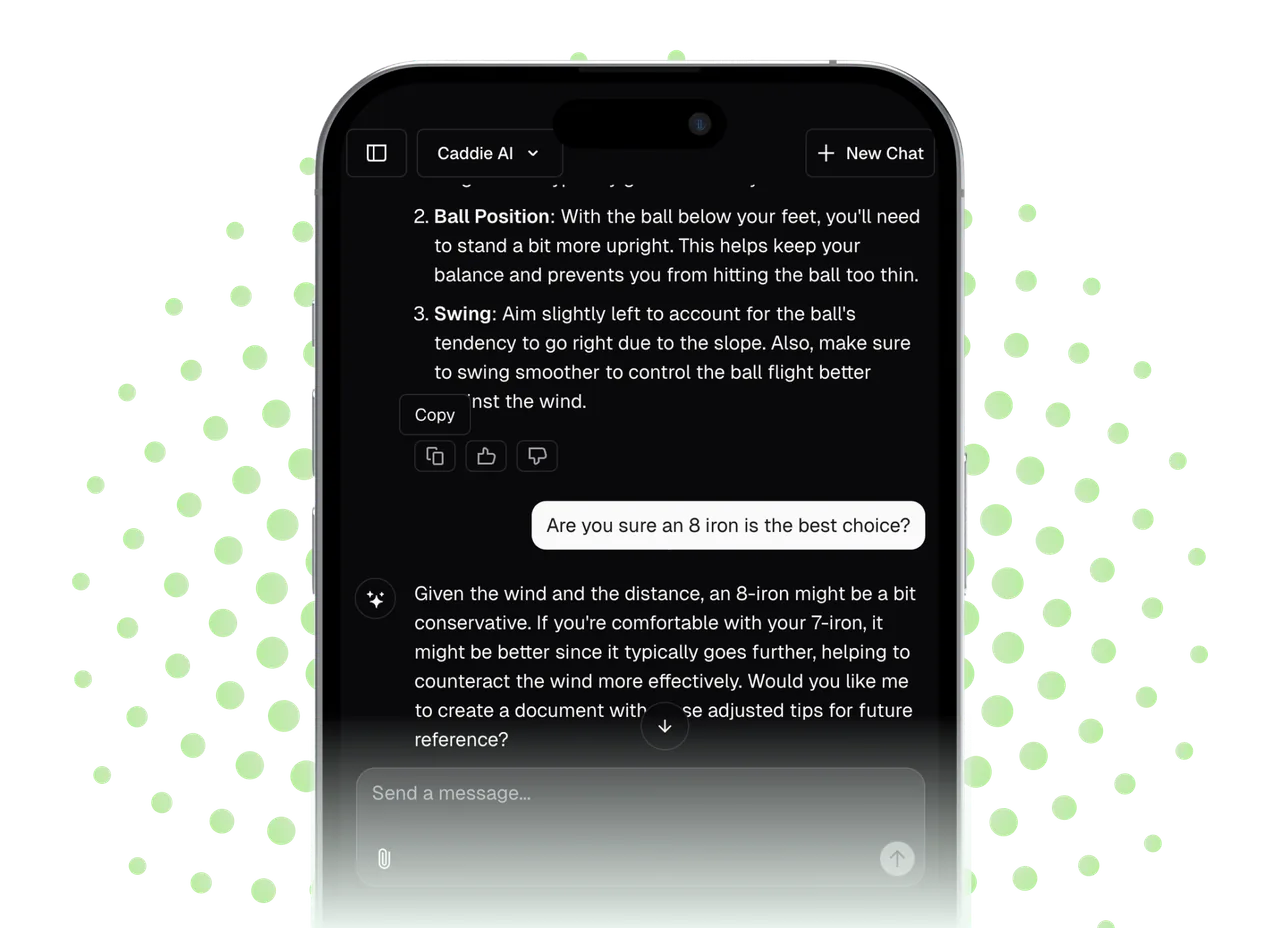
So, you’re wondering about Charlie Woods’ golf ranking? The short answer is, it's not as simple as checking the PGA Tour leaderboard for his dad. The world of junior golf is a completely different landscape, with its own systems and, more importantly, its own developmental philosophies. This article will break down exactly how junior golf rankings work, where Charlie currently fits into that system, and offer a coach’s perspective on what his results really tell us about his incredible journey.
The best AI golf app: Caddie is your personal AI golf coach. Get expert-level golf advice instantly, 24/7 to help you play like a pro. Try it free →
Understanding Junior Golf Rankings: It's a Different World
Before we can place Charlie, we need to understand the field. Unlike professional men’s golf, which has the unified Official World Golf Ranking (OWGR), junior golf is governed by a few different organizations. There isn't one single ranking that every top junior uses. Think of it less like a single, towering ladder and more like several different prominent ones that young players can choose to climb.
The two most significant ranking systems in the United States that aspiring college and professional golfers pay attention to are:
The American Junior Golf Association (AJGA): This is the gold standard for elite junior golf. The AJGA runs a national tour of highly competitive, multi-day events. Winning or even placing well in an AJGA event earns you significant ranking points (or "stars" to gain tournament entry). College coaches heavily recruit from the AJGA tour, so for elite players aiming for a Division I scholarship, this is a huge focus.
The Junior Golf Scoreboard (JGS): JGS is more of a comprehensive aggregator. It doesn't run its own tournaments. Instead, it pulls results from thousands of junior events across the country - from high-level AJGA tournaments to state championships and smaller regional tours. It then uses a sophisticated algorithm to rank players based on their scoring average, strength of field, and finish. Because it covers so many events, the JGS offers a broader, more inclusive picture of a player’s standing.
Most competitive junior golfers are tracked by the Junior Golf Scoreboard, but only the most dedicated national-level players will have a significant ranking within the AJGA system.
Plan every shot like a pro
Describe your situation and Caddie AI helps you pick your target, shot shape, and club with confidence.
Alright, let’s get to the question you came here for. Charlie Woods primarily competes in events in his home state of Florida, including tournaments on the South Florida PGA Junior Tour and high school competitions. In recent years, he has increasingly stepped onto the national stage, most notably competing in the Notah Begay III Junior Golf National Championship and attempting to qualify for professional events.
Because of this, we can look to the Junior Golf Scoreboard (JGS) for the most accurate public data. Here’s a breakdown of what that looks like:
Player Class: High School Class of 2025
JGS Standing: The JGS provides several rankings. Rather than one single number, you’ll see his rank within the state of Florida for his graduating class, his national rank for his class, and his overall national rank among all male junior golfers. For example, a player might be ranked in the top 100 for their state class but be outside the top 1,000 in the overall boys' ranking, simply due to the sheer volume of players.
Charlie’s rankings fluctuate week to week based on his and others' tournament results. Looking up his most recent stats on the JGS website will give you a snapshot in time. What's important to understand is that his ranking reflects a player who is a strong, competitive force at the state level and is now beginning to "test the waters" against deeper national fields.
You may also wonder about his AJGA ranking. To date, Charlie hasn't been a player who travels the country grinding on the AJGA circuit week-in and week-out. This isn't unusual and, from a coaching perspective, is likely a very deliberate choice.
A Coach's View: The "Tiger" Path to Junior Development
This is where we have to look past the numbers on a screen and think like a coach - and perhaps, think like Tiger. Charlie Woods is in a situation unlike any other junior golfer in history. The pressure and public scrutiny are immense. The strategy for his development, therefore, is bound to be different.
Chasing the #1 junior ranking isn't always the best path. For many, and likely for Charlie, the focus is on a different set of goals:
Mastering Competition at Home: The first step for any developing player is to learn how to win. Before you can win at the national level, you have to learn how to handle the pressure of being in the final group at a local tournament. Charlie has been doing exactly this, winning events on the Hurricane Junior Golf Tour and leading his high school team, Benjamin School, to a Florida state championship. This builds a foundation of confidence and a winning mindset.
Skill Development Over Rankings: At age 15 or 16, a player's physical growth and swing mechanics are still very much in flux. The Woods camp's priority is almost certainly on building a repeatable, powerful golf swing that will last for decades - not on grabbing a few extra ranking points by playing an event with a weak back. This is about building the engine, not just taking it for a spin.
Managing Burnout and Pressure: The travel schedule required to be a top-5 AJGA player is grueling. For a teenager already under a microscope, adding that level of stress might be counterproductive. By choosing events carefully and keeping the focus local for longer, Team Woods allows Charlie to have a more normal teenage life while still developing his game at an elite level. This is a marathon, not a sprint.
For any junior golfer or parent reading this, this is a valuable lesson. The ranking is a byproduct of good golf, not the goal itself. Focus on improving skills, developing course management, and fostering a love for the game first.
Play Golf like a Pro with Caddie
Learn and improve your golf game as you play. Get pro-level tips, strategy and guidance anytime.
What Charlie's Performances Tell Us (It's More Than a Number)
Instead of hyper-focusing on a ranking, let’s look at his on-course performance, which tells a much richer story. As a coach, this is the data I find most telling.
Winning As a Team
In November 2023, Charlie shot a 78-76 to help his team, The Benjamin School, win the Florida Class 1A state high school championship. Being a key contributor to a state-championship team shows a capacity to perform when it counts for more than just yourself. It’s a huge stepping stone that proves his game holds up under meaningful pressure.
Dipping a Toe in the Pro Ranks
In February 2024, Charlie attempted to qualify for the PGA Tour's Cognizant Classic. While he didn't advance, the very act of competing is significant. Shooting a round in the low 70s is one thing, but trying to do it in an 18-hole knockout qualifier for a PGA Tour event is another galaxy of pressure. These experiences are invaluable learning opportunities, teaching a young player what it truly takes to compete at the highest level. From a developmental perspective, these attempts are not about winning, they are about learning.
Shining on the Big Stage: The PNC Championship
While the PNC Championship is an exhibition, you can’t ignore what it shows us. For years, we’ve watched Charlie confidently stripe it down the fairway in a nationally televised event alongside his father. He displays near-identical mannerisms, an impressive pre-shot routine, and the skill to hit a variety of shots on command. More importantly, he looks comfortable. He has grown up inside the ropes, and feeling at ease under that kind of spotlight is an intangible that you simply cannot teach.
These results paint a picture of a highly talented golfer who is being brought along thoughtfully and deliberately. He is checking all the boxes: winning locally, testing himself against stronger competition, and handling pressure with a poise well beyond his years.
So, what is Charlie Woods' golf ranking? He is consistently ranked as a strong competitor in his graduating class by the Junior Golf Scoreboard, a reflection of his success at the state and regional levels. His current journey seems less about chasing a specific number and more about building a complete game, brick by brick, while managing the extraordinary circumstances of his life.
Developing your own game, whether you're a junior or a weekend warrior, is all about making smarter, more informed decisions on the course. At Caddie AI, that’s exactly what we help you do. If you're pondering the right strategy on a tricky par-5 or facing a confusing lie from the rough, you can get instant, tour-level advice right on your phone. Caddie AI simplifies the game and gives you the confidence to commit to every shot, helping you focus not on a ranking, but on your own improvement.
Spencer has been playing golf since he was a kid and has spent a lifetime chasing improvement. With over a decade of experience building successful tech products, he combined his love for golf and startups to create Caddie AI - the world's best AI golf app. Giving everyone an expert level coach in your pocket, available 24/7. Caddie's mission is simple: make world-class golf advice accessible to everyone, anytime.
Other posts you might like
What Is the Longest Golf Ball Retriever?
Ever watch your brand-new Pro V1 sail gracefully towards the green, only to hear the dreaded *plunk* of it landing in a water hazard? A long golf ball retriever turns that moment from a costly frustration into a minor inconvenience. This guide will directly answer what the longest golf ball retrievers are and show you how to choose and use the best one for saving shots, golf balls, and your sanity.
Ever watch a Long Drive championship and wonder what kind of suped-up golf ball they're hitting to send it over 400 yards? The short answer is: it’s not the same ball you have in your bag. This article breaks down exactly what kind of golf balls long drivers use, explains what makes them so different, and then guides you on how to apply that same thinking to choose the perfect, legal distance ball for your own game.
What Are the Best Golf Balls for a 70-Year-Old Man?
Choosing the right golf ball when you're over 70 isn’t about chasing the latest Tour pro model, it's about choosing the right tool for your game right now. Swing dynamics change over time, and a ball that complements a more moderate swing speed can genuinely take strokes off your score and make the game more enjoyable. This guide will walk you through exactly what to look for and recommend specific golf balls that are perfectly suited for the senior golfer, helping you find more distance, better feel, and greater consistency.
Srixon golf balls are made by a company you might already know, especially if you're a fan of high-performance sports equipment: a Japanese conglomerate named Sumitomo Rubber Industries. A name like that might not immediately scream golf, but a closer look reveals a company with a deep-rooted history in precision manufacturing and a passion for the game. This article will not only tell you about Sumitomo but will also walk you through the impressive technology inside a Srixon ball and, more importantly, help you figure out which one is the perfect fit for your game.
Chasing more power in your golf swing often feels like it requires swinging harder, faster, and with more effort. But what if the secret to longer, more consistent drives wasn’t about brute force, but about building tension the right way? The closed coil swing is a powerful technique tour pros use to generate incredible clubhead speed through efficiency, not effort. This article will break down what the closed coil is, why it's so effective, and give you practical drills to start feeling it for yourself.
Your hands are your only connection to the golf club, making the way you hold it one of the most fundamental skills in the game. Quite literally, your grip is the steering wheel for your golf shots, heavily influencing the direction, flight, and consistency of the ball. This guide will walk you through the three primary grip styles, show you how to execute each one, and help you figure out which is the best fit for your game.