Stepping onto a golf course for the first time can feel a little intimidating, and a big part of that is figuring out what to wear. Golf casual is a term you'll hear a lot, but its meaning isn't always obvious. This guide will walk you through exactly what golf casual attire is, giving you a clear, stress-free plan for building an outfit that will have you looking and feeling like a confident player on any course.
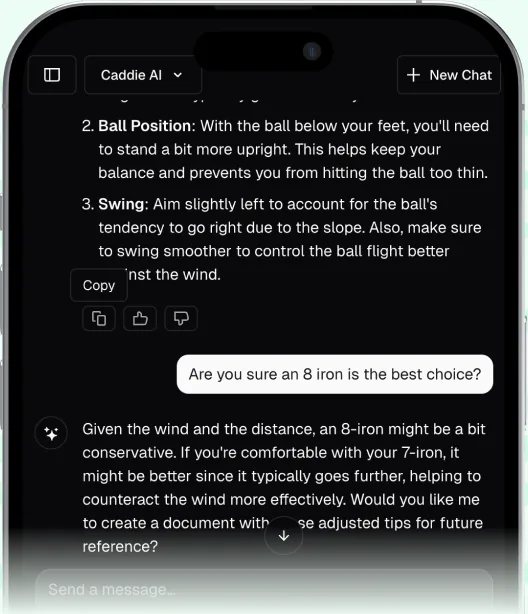
The best AI golf app: Caddie is your personal AI golf coach. Get expert-level golf advice instantly, 24/7 to help you play like a pro. Try it free →
So, What Exactly Is "Golf Casual"?
Think of "golf casual" as the sweet spot between traditional, formal golf wear and modern athletic apparel. It’s an attire standard that respects the game's rich history while embracing the performance, comfort, and style of today’s fabrics and cuts. It’s polished, athletic, and functional, but not stuffy or restrictive.
While the strictest private clubs might have very specific dress codes (think pants only, shirts tucked in at all times), "golf casual" is the general standard for nearly all public, resort, and semi-private courses. It’s the look that says, “I’m here to play seriously and respect the facility, but I also want to be comfortable and enjoy my round.” Mastering this look is the first step toward walking onto the first tee with total confidence.
Get pro-level golf advice instantly, 24/7
Ask Caddie anything. From “what club should I use?” to “how do I play this shot?” and get instant answers.
Building Your Golf Casual Outfit: A Head-to-Toe Guide
Let's break down the outfit piece by piece. The goal is to choose items made from performance fabrics - like polyester, spandex, or other blends - that offer four-way stretch, sweat-wicking properties, and UV protection. Cotton might feel nice, but it gets heavy and uncomfortable when you sweat.
The Go-To Golf Tops
Your shirt is the centerpiece of the outfit and the item with the most important "rule."
For Men:
The Collared Polo: This is the undeniable gold standard. A well-fitting polo shirt in a performance fabric is the safest, most classic, and most common choice. It always looks good and is appropriate for every course. Don't be afraid of colors or simple patterns, but if you’re unsure, you can’t go wrong with solid navy, gray, white, or black.
Mock Necks: Popularized by Tiger Woods, blade or mock-neck collars are a modern, athletic alternative to the traditional polo. These are widely accepted at most courses and offer a sharper, more contemporary look.
A Note on Tucking: Tucking your shirt in is the traditional and safest bet. It presents a more polished look. However, at more relaxed and casual courses, an untucked shirt is often acceptable, especially with newer polos designed with a slightly shorter, even hem made for wearing untucked. When in doubt, always tuck it in.
For Women:
Polos (With or Without Sleeves): A collared polo is a fantastic option for women, too. Unlike men’s dress codes, women have the choice of sleeveless tops, as long as they have a collar. This is a key distinction: a sleeveless top with a collar is fine, a T-shirt style top without a collar (even if it has sleeves) is generally not.
Stylish Collars: Women’s golf fashion offers more variety, including styles with zip-necks instead of buttons, or more subtle and modern blade collars. All are great choices.
The Right Bottoms for the Course
This is where many newcomers go wrong. Streetwear bottoms are a definite no-go.
For Men:
Golf Trousers or Chinos: A pair of comfortable, flexible trousers made from a performance blend is your best friend on the course. These look like standard chinos but are engineered to move with your swing. Simple colors like khaki, gray, navy, or black are incredibly versatile.
Tailored Shorts: For warmer days, a pair of tailored, flat-front shorts is perfectly acceptable. The keyword is tailored. They should fit well and hit just above the knee. Avoid cargo shorts with bulky side pockets, athletic gym shorts, and of course, denim.
For Women:
Skorts and Skirts: The most popular choice for women, a golf skort (a skirt with built-in shorts) provides a fashionable look with complete comfort and coverage. They come in countless styles, colors, and patterns.
Tailored Shorts: Similar to men's shorts, women’s shorts should be of a modest length (typically mid-thigh or longer - think a 5" to 7" inseam is a safe bet). Bermuda-style shorts work well.
Capris and Ankle Pants: Cropped pants or capris are another excellent and widely accepted option, offering more coverage than shorts while still being perfect for warm weather.
Layering Up: Smart Outerwear
Golf is often played in changing weather, so smart layers are essential.
Quarter-Zips and Vests: A lightweight quarter-zip pullover or a performance vest is arguably the most common and versatile layering piece in golf. They keep your core warm without restricting your arm movement.
Windbreakers: A lightweight, packable jacket designed to block wind (and often light rain) can be a round-saver. Look for one made specifically for golf, as it will be designed not to rustle or feel bulky during your swing.
The Hoodie Debate: In modern golf, well-designed, athletic hoodies have become popular and are acceptable at many relaxed courses. However, they are still a firm "no" at more traditional or private clubs. If you are ever unsure, leave the hoodie at home and opt for a classic quarter-zip.
Foundation and Accessories
The small details complete the look and serve a functional purpose.
Shoes: You need proper golf shoes. Modern spikeless golf shoes are the most popular choice for casual golf, as they offer fantastic traction and are comfortable enough to wear in the clubhouse or on the patio after your round.
Socks: Avoid no-show socks. Ankle socks or crew socks are the standard. They should be visible above the shoe. The simple rule is for them to look intentional, not like you forgot to pull them up.
Belt: A belt is a vital accessory. If your shirt is tucked in, you need a belt. Woven fabric belts are a popular, comfortable, and stylish choice that perfectly complements the "golf casual" aesthetic.
Hat: A baseball-style cap, a visor, or a bucket hat are all acceptable and highly recommended for sun protection. Wearing the cap forward is the expected etiquette.
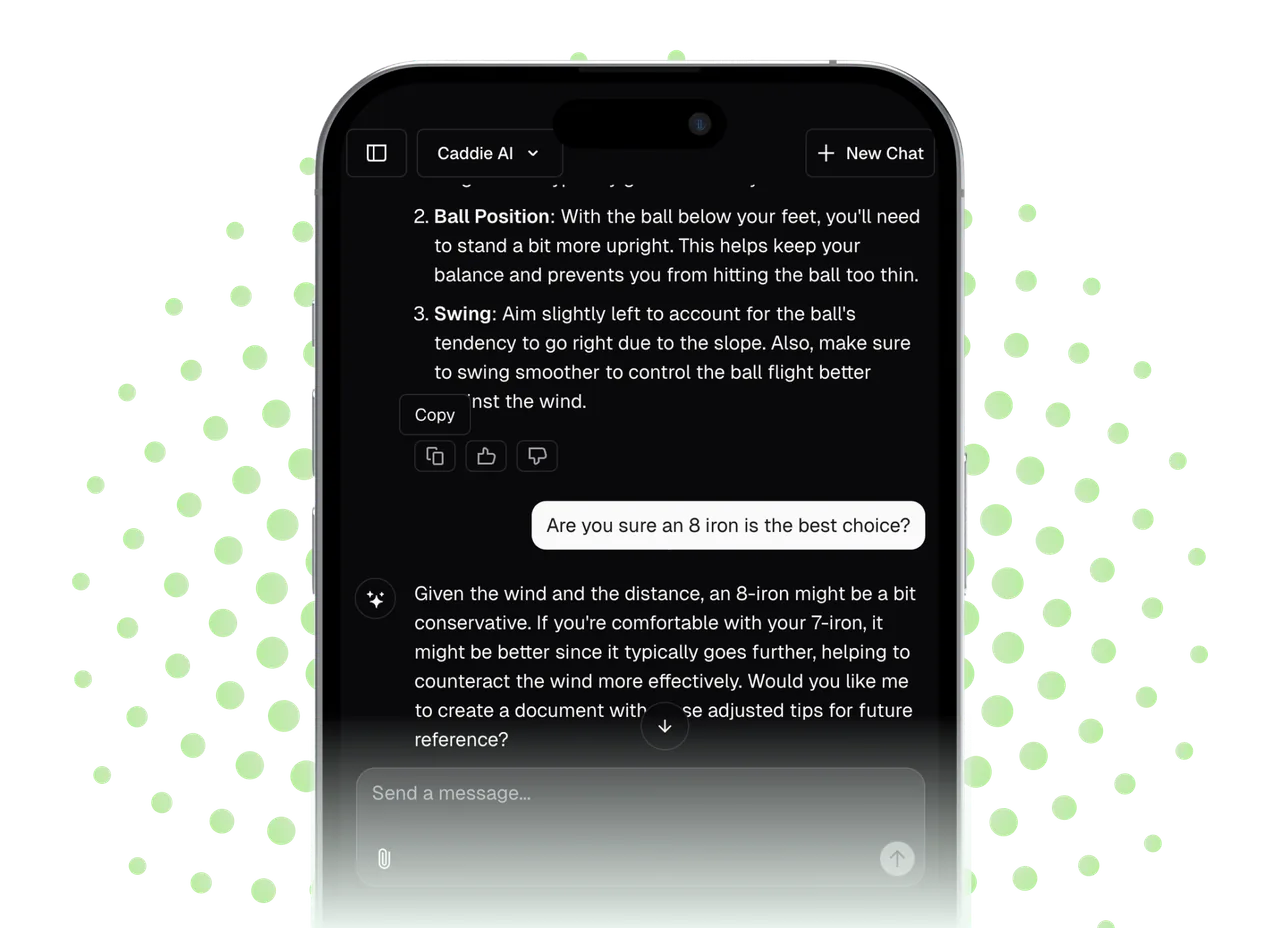
Plan every shot like a pro
Describe your situation and Caddie AI helps you pick your target, shot shape, and club with confidence.
To keep it simple, here is a list of items to always leave in your closet on a golf day. Wearing any of these is the quickest way to feel out of place.
Denim: No jeans, jean shorts, or jean jackets. Period.
Cargo Shorts or Pants: The bulky side pockets are a classic golf fashion faux pas.
Athletic Wear: No baggy gym shorts, sweatpants, joggers, or basketball shorts.
Graphic T-Shirts: Any shirt without a collar is generally off-limits.
Inappropriate Footwear: No running shoes, sandals, flip-flops, or boots.
When in Doubt, Check Ahead
The easiest way to remove all stress is to simply check the course's policy before you go. Look on their website for a "Dress Code" or "Etiquette" page. If you can’t find one, a quick and friendly call to the pro shop is perfectly normal. Simply ask, "Hi, I'm playing your course for the first time on Saturday and just wanted to confirm your dress code." They'll appreciate that you cared enough to ask.
A good rule of thumb is to always err on the side of dressing up rather than down. It's better to be slightly more formal than the setting requires than to be the person who is turned away or asked to buy a collared shirt in the pro shop.
Play Golf like a Pro with Caddie
Learn and improve your golf game as you play. Get pro-level tips, strategy and guidance anytime.
Getting your golf casual attire right is all about looking athletic and feeling confident. It’s a uniform that respects the game’s traditions while using modern fabrics and styles to keep you comfortable through every swing. By sticking to collared shirts, tailored bottoms, and proper golf shoes, you'll fit in on any course and be free to focus on what matters most: enjoying the game.
A big part of a great round is removing doubt before you even swing. Just as having a smart outfit ready gives you confidence walking to the tee, we designed Caddie AI to give you that same certainty on the course. Instead of fretting over club selection or the right strategy for a tough hole, you get immediate, expert guidance right in your pocket. It’s all about helping you play smarter and quieter, so you can stop questioning yourself and start hitting better shots.
Spencer has been playing golf since he was a kid and has spent a lifetime chasing improvement. With over a decade of experience building successful tech products, he combined his love for golf and startups to create Caddie AI - the world's best AI golf app. Giving everyone an expert level coach in your pocket, available 24/7. Caddie's mission is simple: make world-class golf advice accessible to everyone, anytime.
Other posts you might like
What Golf Course Does John Daly Own?
Curiosity about what golf courses tour pros own is common, and when it comes to a character as big as John Daly, the question often comes up. So, what golf course does John Daly own? The short answer is Lion's Den Golf Club in Dardanelle, Arkansas. This article will not only cover the details of Daly's home course but also touch on his past course connections and give you a feel for what it's like to walk in his footsteps an an owner.
A golf invitational isn't just another tournament on the calendar, it's an exclusive event where the players are hand-selected based on a specific set of criteria. Unlike tournaments open to any qualifier, getting a spot in an invitational means you were specifically asked to be there. This article will break down what that means, how these prestigious events work for both pros and amateurs, and what to do if you’re lucky enough to get that coveted invitation.
Worn-out golf grips are costing you shots, but the good news is you can replace them yourself with just a few simple tools and a bit of know-how. Slippery, hardened grips force you to squeeze the club tighter, creating tension that ruins your swing and sending shots offline. This guide will walk you through exactly what you need to regrip your own clubs, from the essential supplies to the step-by-step process, so you can restore that tacky, confident feel and get your gear back in prime playing condition.
A P iron is one of the most common and versatile clubs in any golf bag, yet it’s the one many players know the least about. Plain and simple, the 'P' stands for Pitching Wedge. This article will show you exactly what the pitching wedge does, when to use it for full shots, and why it might just become your most trusted weapon around the greens. You'll learn the simple techniques to hit it crisply and how to choose it with confidence.
You’ve probably heard golfers debating hard and soft golf balls over a post-round drink, but what does that technical talk actually mean for your drives, your iron shots, and your scores? Dropping the technical jargon, a ball’s hardness is one of the most significant factors influencing its performance, and choosing the wrong one can actively sabotage your game. This guide will break down exactly what makes a golf ball hard, who they’re built for, and most importantly, how to figure out if you're leaving yards and feel on the table by playing a ball that's a poor match for your swing.
Almost every golfer searching for a silver bullet has asked, What is the best golf training aid? But the honest truth is, that's not the right question to ask. There is no single best training aid, just as there is no single best golf club. The right training aid for you is the one that fixes <em>your</em> specific, individual swing fault. This article will help you diagnose the most common swing problems and then match the right type of training aid to that issue, putting you on a real path to improvement.