Nothing sours a round of golf faster than soggy grips, a waterlogged glove, and a scorecard that's turned to pulp. If you've ever been caught in a downpour with the wrong gear, you know the feeling. This article is your guide to finding the best waterproof golf bag, so your equipment stays dry and you can focus on playing your game, no matter what the weather forecast says.
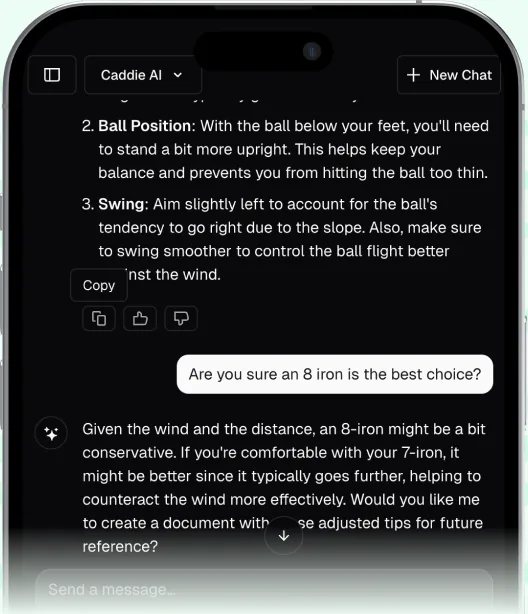
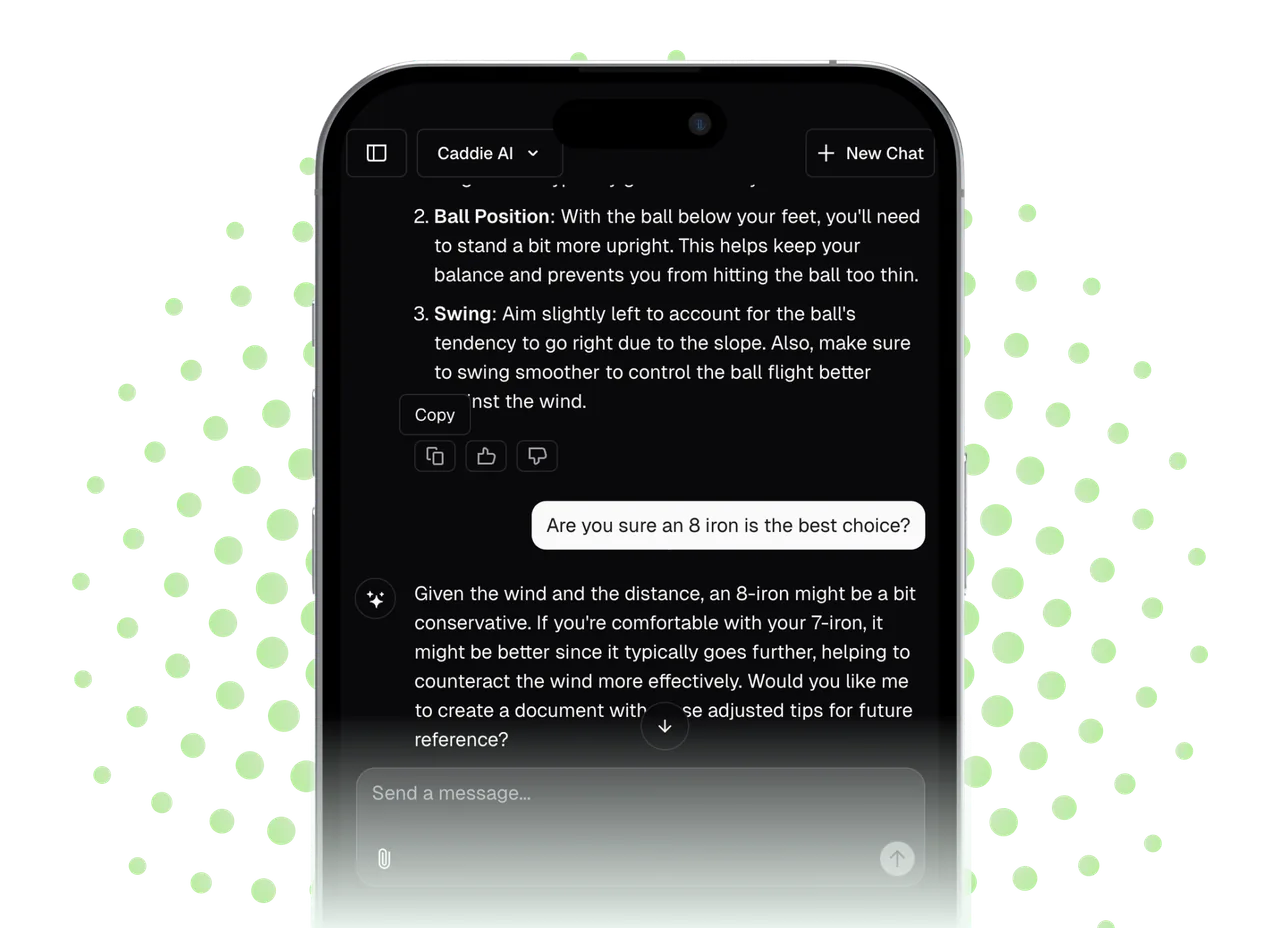
The best AI golf app: Caddie is your personal AI golf coach. Get expert-level golf advice instantly, 24/7 to help you play like a pro. Try it free →
Why You Absolutely Need a Waterproof Golf Bag
Let's be honest, many of us play in locations where the weather can turn on a dime. One minute it's sunny, the next you're scrambling for cover. While an umbrella helps, it's not a complete solution. A standard golf bag acts like a sponge in a real storm. Rain soaks through the fabric, drips down into the pockets, and settles at the bottom, creating a swamp for your grips.
Playing with wet grips isn't just uncomfortable, it's a performance killer. It's nearly impossible to hold the club with any confidence, leading to slips, twisting at impact, and wild shots you can't control. Beyond the grips, everything else suffers:
Your spare gloves become useless.
Your rangefinder can get damaged.
Your phone, keys, and wallet are at risk.
Headcovers get soaked and heavy, transferring even more moisture to your expensive driver and woods.
A true waterproof bag isn't a luxury, it's an essential piece of equipment for any serious golfer who doesn't let a little rain cancel their tee time. It's an investment in protecting all your other investments - from your clubs to your electronics - and, most importantly, your ability to enjoy the game.
Get pro-level golf advice instantly, 24/7
Ask Caddie anything. From “what club should I use?” to “how do I play this shot?” and get instant answers.
Waterproof vs. Water-Resistant: Don't Get Caught Out
This is probably the most important distinction you need to understand when shopping, and it's where many golfers make a mistake. The terms "waterproof" and "water-resistant" are often used interchangeably by marketers, but in the real world of an afternoon squall, they mean very different things.
Water-Resistant Golf Bags
Think of water-resistant as "shower-proof." These bags are typically made from standard fabrics like nylon or polyester that have been treated with a water-repellent coating. They will shed light rain for a short period. If you get caught in a brief, passing sprinkle, a water-resistant bag will likely keep your things mostly dry. The problem is that the zippers are usually standard, non-sealed zippers, and the seams are just stitched, not sealed. In a sustained downpour, water will eventually work its way through these weak points.
Truly Waterproof Golf Bags
A truly waterproof bag is constructed to be a fortress against water. It's an entirely different level of protection, built from the ground up to keep water out. Here's what sets them apart:
Waterproof Fabric: The conversation starts with high-tech, waterproof materials. These fabrics have a membrane or coating that is impermeable to water.
Sealed or Welded Seams: This is a massive differentiator. Instead of just stitching the panels of fabric together, manufacturers tape or weld the seams from the inside. This prevents water from seeping through the tiny holes created by the needle during stitching.
Waterproof Zippers: Look for zippers with a rubberized or urethane coating over the teeth. These "aqua-guard" style zippers create a seal when closed, which is one of the most common failure points on a water-resistant bag.
A water-resistant bag might handle 15 minutes of light rain. A waterproof bag is designed to handle hours of heavy, driving rain and keep everything inside bone dry.
Key Features to Look For in the Best Waterproof Golf Bags
Once you've committed to finding a proper waterproof bag, here's the checklist of features to compare to make sure you get the right one for your game.
Material and Taped Seams
As we mentioned, this is the foundation. Look for bags explicitly stating they are made with waterproof-coated nylon or polyester. More importantly, check the product description for words like "sealed seams," "taped seams," or "welded seams." If a bag doesn't mention sealed seams, proceed with caution - it's likely only water-resistant.
Zippers and Pockets
All the pockets in the world are useless if they don't have sealed zippers. Run your finger over the zipper track, it should feel smooth and plasticky, not like a standard metal or plastic-toothed zipper on a jacket. Make sure the most important pockets - like the apparel pocket and valuables pocket - are fully sealed. A velour-lined valuables pocket is a great bonus feature, offering extra protection for your phone and watch.
Weight and Carry System
If you prefer to walk the course, the bag's empty weight is a primary concern. The best waterproof stand bags are now impressively light, many coming in under 5 pounds. Pay close attention to the shoulder straps. You want a well-padded, balanced, and easily adjustable dual-strap system that distributes weight evenly across your shoulders, making the walk far more comfortable.
Dividers and Club Organization
Club organization is always important, but it's even more so on a wet day. When grips get wet, they can get tacky and grab onto each other, making it a nightmare to pull a club. Full-length dividers are a must-have feature. They create individual sleeves for each club (or a few clubs), preventing the grips from tangling at the bottom of the bag. Whether you prefer a 4-way, 5-way, or a 14-way top is a matter of personal preference, but full-length dividers are non-negotiable.
Sturdy Stand and Base (For Stand Bags)
If you're a walker, you need a reliable stand system. The legs should deploy easily and retract smoothly without snagging. The base of the bag is also important. Look for a base designed to provide a stable footing, even on wet or uneven turf, to prevent the bag from slipping or tipping over - a frustrating event on a good day and downright infuriating in the rain.
Included Rain Hood
Any bag sold as "waterproof" should come with a matching, high-quality rain hood. It should attach easily and securely and provide ample coverage for your clubs without getting in your way. A good hood allows you to still see and access your clubs easily while keeping rain from running down the shafts and into the top of the bag.
Plan every shot like a pro
Describe your situation and Caddie AI helps you pick your target, shot shape, and club with confidence.
If you carry your clubs or use a pushcart, a waterproof stand bag is your best bet. The primary design focus is on being lightweight and comfortable.
Prioritize Weight: Look for a model under 5.5 lbs. Every ounce counts on the 16th hole.
Comfortable Straps: A top-tier, self-balancing strap system is a must. You should be able to get it on and off easily and adjust it for a perfect fit.
Functional Pockets: You'll likely have slightly less storage than a cart bag, but the pockets need to be intelligently placed. Can you get to the water bottle and rangefinder pockets while the bag is on your back?
The Rider: Waterproof Cart Bags
If you exclusively ride in a golf cart, there's no reason to skimp on features and space. Waterproof cart bags are designed for maximum organization and convenience.
Smart Pocket Design: All the main pockets should be forward-facing so you can access everything when the bag is strapped to the cart.
Cart Strap Pass-Through: This is a brilliant feature where a hidden channel or sleeve is built into the bag. You run the cart's strap through this channel, which secures the bag without blocking access to any of the key pockets.
Ample Storage: You can expect to have larger apparel pockets, more accessory storage, and often-dedicated cooler pockets. A 14-way top with full-length dividers is standard here.
Play Golf like a Pro with Caddie
Learn and improve your golf game as you play. Get pro-level tips, strategy and guidance anytime.
Choosing the best waterproof golf bag comes down to understanding the difference between truly waterproof construction - sealed seams and zippers - and just water-resistant coatings. By focusing on the non-negotiables like these, and then matching the style (stand or cart) to how you play, you can find a bag that will protect your gear and keep the fun in the game, rain or shine.
Just as the right equipment prepares you for bad weather, the right on-demand guidance can prepare you for any tough situation on the course. We designed Caddie AI to be that expert partner in your pocket, helping you think more clearly, from course strategy on a new hole to shot selection from a tricky lie. On those days when the weather adds another layer of challenge, getting instant, smart advice on what club to hit or the best way to play a shot can make all the difference, removing the guesswork so you can swing with confidence.
Spencer has been playing golf since he was a kid and has spent a lifetime chasing improvement. With over a decade of experience building successful tech products, he combined his love for golf and startups to create Caddie AI - the world's best AI golf app. Giving everyone an expert level coach in your pocket, available 24/7. Caddie's mission is simple: make world-class golf advice accessible to everyone, anytime.
Other posts you might like
What Are the Top-Rated Golf Balls?
Choosing the right golf ball feels like it should be simple, but the wall of options at the pro shop can be overwhelming. The truth is, the ball you play can have a significant effect on your distance, spin, and feel, and the best ball isn't the same for everyone. This guide cuts through the marketing noise to show you which balls are genuinely top-rated and, more importantly, helps you find the perfect one for <em>your</em> game.
Becoming a single-figure golfer is a goal that signals a real shift in your game, moving from a casual player to a consistently skilled one. It’s a milestone that many golfers chase for years. This article will break down exactly what a single-figure golfer is, what their game actually looks like on the course (it's not what you think), and provide a clear, actionable roadmap to help you get there yourself.
A great golf caddie does much more than just haul your clubs, they are your on-course architect, confidant, and strategic partner. They handle nearly every aspect of the game except for the physical swing itself, allowing you to focus on one thing: hitting your best shot. This guide breaks down exactly what a caddie does, from the obvious duties to the subtle skills that can shave strokes off your score.
Hitting a golf ball 300 yards is the modern-day benchmark for serious amateur power. You see it on tour, you hear about it from your buddies, and you’ve probably dreamt about launching a drive that sails past everyone else’s. This article will break down what it really takes to join that club. We'll move past the myths and give you a clear roadmap covering swing mechanics, physical requirements, and the gear that can help you get there.
Chasing a few extra yards off the tee is a universal goal for golfers, but finding the right golf ball to do it with can feel like a guessing game. For senior players, this pursuit is often the difference between hitting an iron or a hybrid into the green. The good news is that the solution is surprisingly simple, and it has almost everything to do with matching the ball's engine - its core - to your swing speed. This guide will walk you through exactly what to look for, explain why Tour balls might be holding you back, and give you a clear plan to find the ball that will genuinely go the farthest for your game.
Figuring out if you need extra-long (XL) golf clubs can feel confusing, but it’s much simpler than you think. This isn’t a mystery solved only by expensive launch monitors, it’s about understanding a few key body measurements. This guide will walk you through exactly how to determine if longer clubs are right for you, moving beyond just your height to find the perfect fit that promotes a better swing and more consistent contact.