Figuring out the cost for a brand-new set of Ping golf clubs can feel like trying to hit a moving target. The final price tag is influenced by many factors, from the specific models you choose to the shafts you select. This article will break down all the costs, piece by piece, so you can build a realistic budget and understand exactly what you're paying for.
The best AI golf app: Caddie is your personal AI golf coach. Get expert-level golf advice instantly, 24/7 to help you play like a pro. Try it free →
So, What's the Real Answer? A Quick Price Snapshot
Let's get straight to it. A complete, premium, custom-fit set of new Ping clubs in 2024 will likely cost you somewhere between $2,500 and $4,500. This assumes you’re building a full 14-club bag with the latest models, a staff bag, and potentially some shaft upgrades.
However, there's a lot of flexibility in that range. A more standard, game-improvement-oriented set without major customizations could fall into the $1,800 to $2,800 range. The final price truly depends on the makeup of your bag and the level of customization. Below, we'll walk through exactly how those numbers add up.
Get pro-level golf advice instantly, 24/7
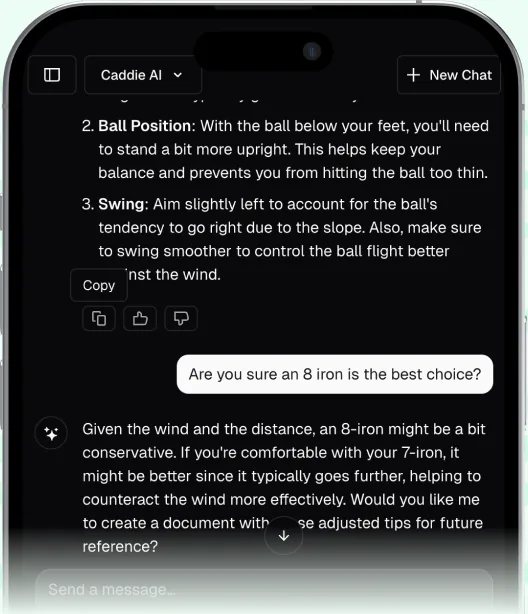
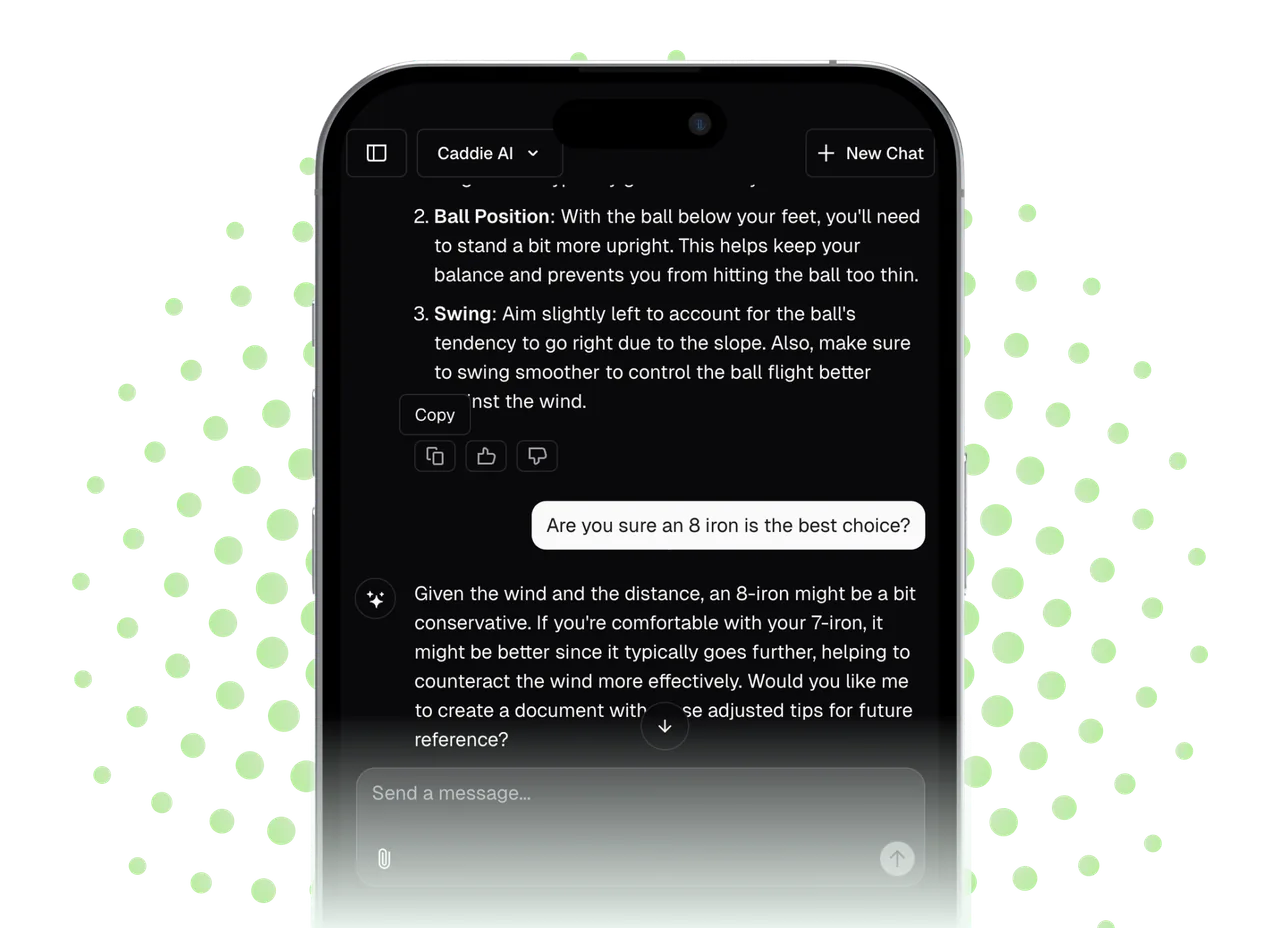
Ask Caddie anything. From “what club should I use?” to “how do I play this shot?” and get instant answers.
Your golf bag is a mix of different tools, each carrying its own price. To understand the total cost, we need to price out each component. The prices listed below are typical retail prices for the latest Ping models (like the G430 series) and serve as a solid baseline.
Ping Drivers: The Big Dog
Ping drivers are famous for their forgiveness and consistency. The latest G430 family reflects this with class-leading performance. This is typically the most expensive single club in your bag.
Typical Cost: $550 - $650
What You're Paying For: Advanced materials like forged titanium faces, carbon fiber crowns, and moveable weight technology to dial in your preferred shot shape. In-depth research and development drive up the cost, but the result is a club that helps you hit it farther and straighter, even on mishits.
Ping Fairway Woods & Hybrids
Fairway woods and hybrids are your versatile weapons from the tee or the turf. Most golfers carry between two and four of these clubs, combining fairways and hybrids based on what they're most comfortable hitting.
Fairway Woods Cost: $350 - $400 each
Hybrids Cost: $300 - $350 each
What You're Paying For: Similar to the driver, these feature technology like "Spinsistency" to normalize spin on thin shots and carbon fiber crowns for a lower center of gravity. They are designed for high launch and forgiveness from difficult lies.
Ping Irons: The Heart of Your Set
The irons are the largest single purchase in your set. A typical set runs from either a 4-iron or 5-iron through a pitching wedge (PW), totaling 7 or 8 clubs. The model you choose here has a significant impact on price and performance.
Game-Improvement Irons (G-Series): A 7-piece set (e.g., 5-PW, GW) typically costs $1,100 - $1,300. These are built for forgiveness and distance, with features like perimeter weighting and flexible faces to help mid-to-high handicap golfers.
Players' Irons (i-Series, Blueprint): A 7-piece set in this category can cost $1,400 - $1,600+. These irons are forged from softer carbon steel and provide more feedback and workability for the skilled golfer who prioritizes feel and control.
Ping Wedges: Your Scoring Tools
While an iron set includes a pitching wedge, most golfers add specialized wedges for around the greens. The Ping Glide series is a popular choice, offering different grind options to fit various swing types and turf conditions.
Typical Cost: $180 - $200 per wedge
Bag Makeup: Most golfers carry a Gap Wedge (GW), Sand Wedge (SW), and Lob Wedge (LW). This means you could add another $360 to $600 to your bag total if you need a full set of three.
Ping Putters: The Money Maker
Ping has one of the most extensive putter lineups available, from timeless classics to modern high-MOI mallets. This is another area where price can vary dramatically.
Cast Putters (Standard Line): $250 - $350. These are highly forgiving designs loved by golfers for generations.
PLD Milled Putters: $450+. The PLD (Putting Lab Design) line is Ping's premium offering, precision-milled from a solid block of steel for exceptional feel and a pure roll.
Don't Forget the Golf Bag
Finally, you need something to carry it all in. Ping offers a wide array of high-quality bags.
Hoofers (Carry Bags): $250 - $300. The iconic stand bag is a golfer's favorite.
Cart Bags: $300 - $375. Built with more storage and designed to sit perfectly on a push cart or power cart.
"Stock" vs. "Custom": How Fitting Affects the Price
This is where things can get more specific. Buying a "stock" or "off-the-rack" set means you are getting clubs with manufacturer-standard shafts and grips. For many golfers, this works perfectly fine. However, a custom fitting takes it to the next level - and can also increase the cost.
As a coach, I cannot stress this enough: fitting is not just for pros. It’s for anyone who wants to be more consistent. A fitter will analyze your swing and recommend the ideal Ping color code (lie angle), shaft type, shaft flex, length, and grip size for you. Most basic fitting options are free or low-cost when you purchase clubs.
However, your specific needs can add to the final price:
Shafts (The Biggest Variable): Most Ping clubs come with excellent "stock" shaft options at no extra charge. But if your swing benefits from an "exotic" or premium aftermarket shaft (e.g., a specific model from Fujikura, Mitsubishi, etc.), it can be a significant upcharge. This could add anywhere from $30 to $300+ per club. For a full iron set, this can really add up.
Grips: Moving from a standard grip to a specialized grip like a Golf Pride MCC+4 Align or a SuperStroke putter grip might add $5 to $15 per club to the total.
The fitting helps you get the most out of your investment, ensuring your clubs are built to complement your swing, not fight it. It's often the single best thing you can do to improve your consistency.
Plan every shot like a pro
Describe your situation and Caddie AI helps you pick your target, shot shape, and club with confidence.
Don't have $3,000+? You can still get incredible Ping clubs. Look for previous generation models that are new in stock at a retailer. Clubs like the G425 and G410 are still phenomenal performers and can often be found at a discount. You can also build a set over time, starting with a partial set (Driver, a hybrid, a few irons, a wedge, and a putter) and adding to it as your budget allows.
Play Golf like a Pro with Caddie
Learn and improve your golf game as you play. Get pro-level tips, strategy and guidance anytime.
Confidence: There is undeniable confidence that comes from standing over the ball with equipment you know is perfectly suited for you. You're no longer second-guessing if it's your swing or the club.
Consistency: This is the big one. When every iron and wedge has a matching shaft, lie angle, and weight, you develop a more repeatable action. Balls launch more consistently and travel more predictable distances, which makes club selection so much easier.
Modern Technology: Ping is an engineering company at heart. The technology in their clubs genuinely helps golfers. Shots struck off-center fly straighter and lose less distance, which can be the difference between a frustrating bogey and a manageable par.
A new set won't magically solve a major swing flaw, but it does remove variables. It allows your good swings to produce good results much more often, and that's exactly how you lower your scores and enjoy the game more.
Final Thoughts
As you can see, the final cost of a new set of Ping clubs is a personalized number, driven by your specific needs and club choices, with a realistic range spanning from under $2,000 to over $4,000. Going through a fitting process is the best way to understand not just what you need, but how to build a set that gives you the most performance for your dollar.
Once you've made that investment in new clubs, the next step is making smarter decisions on the course. To help golfers with that part of the game, I designed a tool to act as your expert guide right in your pocket. With Caddie AI, you can get clear strategic advice for any hole, receive club recommendations for complex approach shots, and even get instant feedback on how to play out of tough lies. It's about taking the guesswork out of the game so you can play with full confidence in every single shot.
Spencer has been playing golf since he was a kid and has spent a lifetime chasing improvement. With over a decade of experience building successful tech products, he combined his love for golf and startups to create Caddie AI - the world's best AI golf app. Giving everyone an expert level coach in your pocket, available 24/7. Caddie's mission is simple: make world-class golf advice accessible to everyone, anytime.
Other posts you might like
What Are Limited Flight Golf Balls?
Ever found yourself on a driving range, puring your 7-iron, only to see it fall mysteriously short of the 150-yard sign you know you can reach? Or perhaps you've seen those soft, almost toy-like golf balls designed for backyard use. These are limited flight golf balls, a specific category of gear designed not for scoring, but for focused improvement. This guide breaks down exactly what limited flight golf balls are, how the different types work, and most importantly, how to use them as a powerful tool to sharpen your skills.
Every summer, just as the major championships fade into the rearview mirror, the PGA TOUR's best players gear up for a high-stakes, multi-million dollar showdown known as the FedEx Cup Playoffs. If you’ve ever watched golf in August and September and felt a little confused by the points, resets, and staggered scoring, you're not alone. This guide will break down exactly how the golf playoffs work, from the season-long race to the final putt that crowns the champion.
Getting accurate feedback from a golf launch monitor, especially indoors, can be a frustrating exercise when the spin numbers just don’t seem right. Titleist has created a specialized solution to this exact problem with their Radar Capture Technology (RCT) golf balls. This article will break down exactly what these golf balls are, how they work, and help you decide if they are the missing piece in your home simulator or practice setup.
Chasing a little white ball around a giant park might seem odd from the outside, but underneath the surface, golf is one of the most absorbing and multi-layered games you can play. It’s a profound test of your mind, a physical challenge requiring athletic precision, and a continuous journey of self-improvement that hooks you for life. This article will show you what’s so genuinely interesting about golf, covering the blend of strategy and skill, the constant variety, and the unique social fabric woven into the game.
What Do Pro Golfers Use to Mark Their Ball on the Green?
Ever wondered what that little object is that a pro golfer places behind their ball on the green? It's a ball marker, and it's one of the most fundamental yet personal pieces of equipment in a golfer's arsenal. This article will show you what the pros use to mark their balls, the rules that govern this simple action, and the specific etiquette you need to know to do it correctly yourself. We’ll also look at the different kinds of markers you’ll see on tour and provide a step-by-step guide to help you mark your ball like a seasoned player.
What Does It Cost to Play Harbor Town Golf Course?
Thinking about playing the iconic Harbor Town Golf Links? The legendary lighthouse, the narrow fairways, and the history-soaked ground where pros battle it out every year make it a true bucket-list course for many golfers. This guide will break down exactly what it costs to play, from the green fees and mandatory caddie expenses to the other costs you should plan for, giving you a complete picture of your investment for this incredible round of golf.