Ask any group of passionate golfers, "What is the nicest course in the world?" and you’ll instantly ignite a debate that could last for 18 holes and a full round at the 19th. Is it the impossible green of Augusta National? The windswept history of St Andrews? The dramatic cliffs of Pebble Beach? The truth is, "nicest" is entirely subjective. This article will break down the different ways to measure a course’s greatness and explore the undisputed contenders that consistently top every golfer's dream list.
The best AI golf app: Caddie is your personal AI golf coach. Get expert-level golf advice instantly, 24/7 to help you play like a pro. Try it free →
What Does "Nicest" Actually Mean?
There's no single scoreboard for ranking beauty and experience. When people argue about the “nicest” course, they are usually weighing four different categories, often without even realizing it. Understanding these helps you appreciate what makes any course, from a major championship venue to your local club, special.
The Sheer Beauty (Aesthetics)
This is often the first thing that comes to mind. Aesthetics are purely about sight and feeling. It's the drama of ocean views, the tranquility of a pine forest, or the stunning color palette of blooming azaleas against perfectly manicured grass. A beautiful course is a place that makes you stop before your swing, pull out your phone, and just take in the view. It’s land that has been transformed into a work of art, where every tee box offers a stunning new vista.
Strategy and Challenge (The Design)
A pretty course is one thing, but a brilliantly designed one is another. From a golf coach's perspective, this is where the real substance lies. A great design challenges every club in your bag and, more importantly, every decision you make. It asks questions: Should you lay up or go for it? Can you shape a draw around that bunker? Do you have the discipline to aim away from the flag? The best designs, like those by legends such as Alister MacKenzie or A.W. Tillinghast, make you think. They are designed for a rotational swing, powered by the body, to produce specific shots. They reward smart, well-executed swings and penalize poor decisions, creating a thrilling and fair test of a player’s game.
The Five-Star Treatment (Exclusivity &, Experience)
For some, "nicest" can be defined by the overall experience, which often comes with exclusivity. This is about more than just the golf. It's the feeling of walking onto hallowed ground that few get to access. It's the impeccable service, the perfect practice facilities, the history in the clubhouse, and the feeling of being somewhere very special. The course conditions are flawless - perfect lies, fast greens, and not a blade of grass out of place. This level of detail elevates a round of golf into a lifelong memory.
Ghosts of the Past (History &, Prestige)
You can feel the history on certain courses. It's in the air. You're walking the same fairways as Bobby Jones, Jack Nicklaus, and Tiger Woods. You're facing a shot you've seen a hundred times on television - a shot that decided a major championship. This connection to the game's iconic moments and legendary players adds an intangible weight and significance to the round. Standing on the 18th tee at a course steeped in history feels like you're becoming a small part of its story.
Get pro-level golf advice instantly, 24/7
Ask Caddie anything. From “what club should I use?” to “how do I play this shot?” and get instant answers.
While the top spot is up for grabs, a few courses are always in the conversation. They each excel in the categories above, but for very different reasons, making them fantastic case studies in what makes a golf course truly great.
Augusta National Golf Club, USA: Unattainable Perfection
Known For: Beauty, Exclusivity, &, Prestige
For millions of golfers, the measure of beauty is the television green seen every April during the Masters. Augusta National is a botanical garden that just so happens to be one of the planet's great golf courses. The towering Georgia pines, the impossibly white sand, the vibrant pink dogwoods, and fiery azaleas - it’s a sensory overload. But its beauty is matched by its strategic genius. Alister MacKenzie’s design uses dramatic elevation changes and severely undulating greens to demand precision. Everyone knows Amen Corner (holes 11, 12, and 13), a stretch where Masters dreams are made or broken with a swirl of wind and a moment of doubt. The experience is legendary and getting a tee time is one of the toughest tickets in sport, making Augusta the very definition of a fantasy golf round.
The Old Course at St Andrews, Scotland: The Home of Golf
Known For: History, Design, &, Public Access
If Augusta is a pristine oil painting, the Old Course is a rugged, timeless carving. It doesn’t beat you over the head with panoramic views, its beauty is subtle, intellectual, and deeply historic. Golf has been played here for over 600 years. As you walk across the Swilcan Bridge or navigate a shot out of the 10-foot deep "Hell Bunker" on No. 14, you are literally treading in the footsteps of the game’s founders. The design is one-of-a-kind, featuring seven massive double greens and cunning pot bunkers that appear out of nowhere. It requires creativity and an understanding of the ground game. The best part? It's open to the public. Through a ballot system, anyone can have the chance to play this magnificent piece of living history.
Known For: Sheer Beauty, Prestige, &, Public Access
Pebble Beach is perhaps the most universally beloved course for one simple reason: its jaw-dropping setting. Tucked onto the Monterey Peninsula, the course winds its way along the cliffs of the Pacific Ocean. Holes like the par-3 7th, a tiny green seemingly floating in the sea, and the sweeping par-5 18th, curving along Stillwater Cove, are some of the most famous and beautiful in the world. It’s hosted numerous U.S. Opens, providing a stage for incredible moments, like Jack Nicklaus's 1-iron off the pin or Tom Watson's chip-in. And like St Andrews, Pebble Beach is open to the public, allowing anyone willing to save up the chance to experience its breathtaking beauty and iconic layout.
Pine Valley Golf Club, USA: The Purist's Choice
Known For: Unmatched Design &, Challenge
If you ask die-hard golf aficionados and course architects to name the greatest design in the world, many will say Pine Valley without hesitation. Located in the sandy pine barrens of southern New Jersey, Pine Valley is the ultimate test of strategic golf. Architect George Crump wanted every hole to be a distinct and separate challenge, and he succeeded. There isn't a weak hole on the property. It is a masterpiece of "heroic" design, which offers a safe route and a risky, rewarding one on almost every shot. Vast expanses of sand, known as wastelands, frame fairways and greens, demanding aerial accuracy. Scoring well here requires more than just a good swing, it requires an ironclad game plan and flawless execution. It is the purest possible examination of a golfer's skill and nerve.
Plan every shot like a pro
Describe your situation and Caddie AI helps you pick your target, shot shape, and club with confidence.
Ultimately, there is no correct answer. Is it the perfectly manicured, artistic beauty of Augusta? Or the raw, historic linksland of the Old Course? The question is a personal one. The real fun is in the debate itself and understanding what you personally value in a golf experience.
This same lens can be applied to every course you play. Take a moment to look around your home club. Which hole is the most beautiful to you? Which one represents the best strategic challenge, demanding your most thoughtful approach? When you start looking at courses not just as a playing field but as designs meant to be appreciated and solved, every round becomes a richer experience. Appreciating golf course architecture is a skill that can make a round at your local municipal course feel just as engaging, in its own way, as a round at a top-100 club.
Play Golf like a Pro with Caddie
Learn and improve your golf game as you play. Get pro-level tips, strategy and guidance anytime.
The quest to find the "nicest" golf course in the world is a wonderful one because it has no destination. It inspires us to learn about the game's greatest stages, appreciating them for their distinct combination of beauty, strategy, and history.
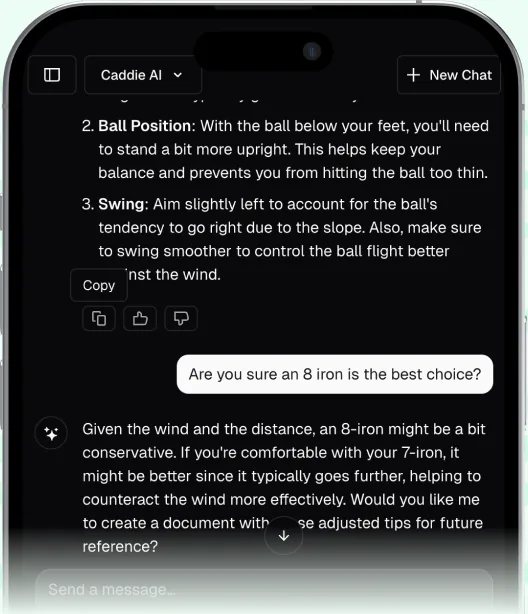
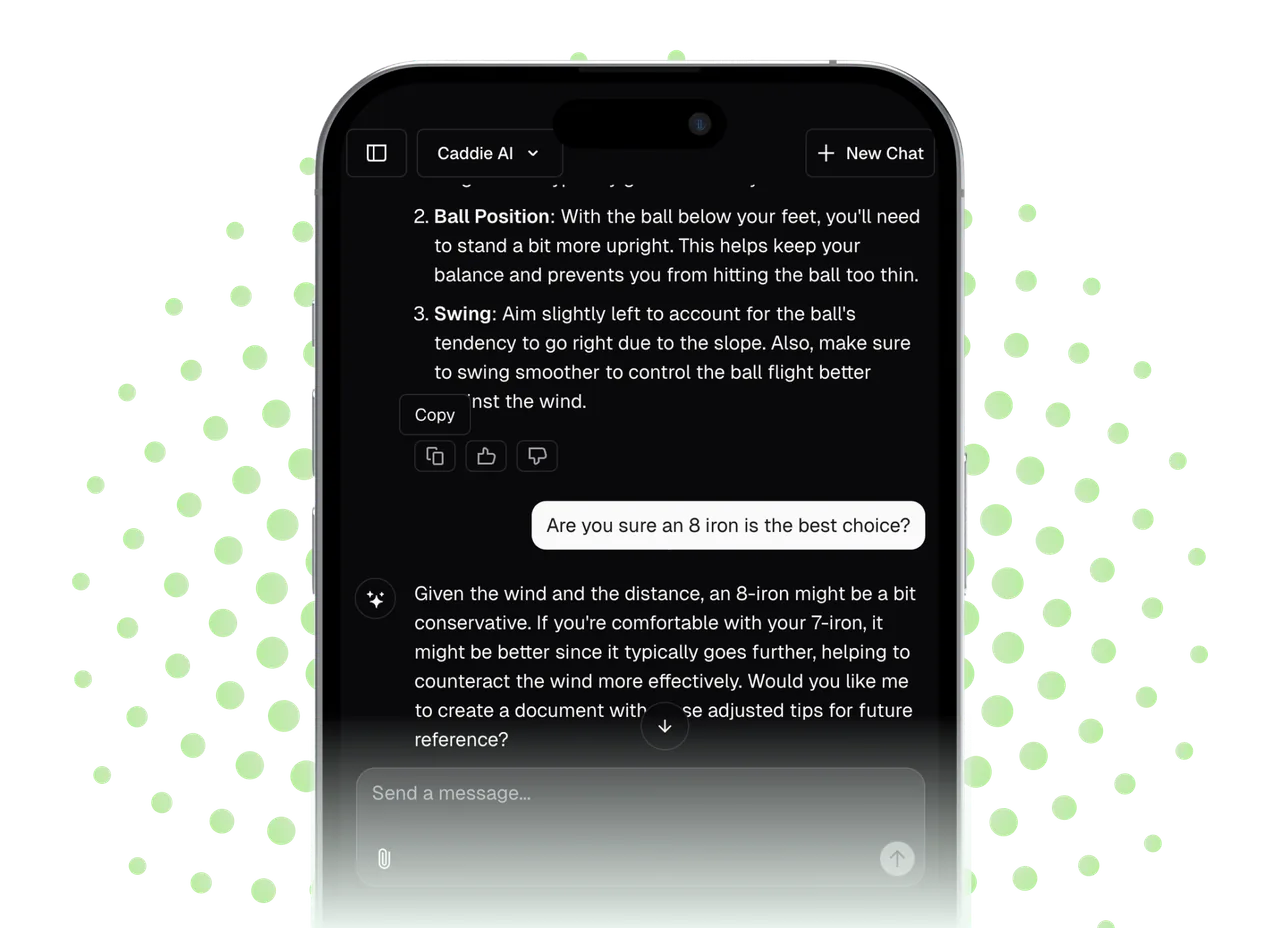
That level of strategic thinking is exactly what we aim to give every golfer with our app, Caddie AI. A human caddie at these top courses provides indispensable knowledge to help you navigate the challenge, and we believe that same expert guidance should be available on any course. You can snap a photo of a tricky lie or describe the hole you're facing, and our AI coach provides instant advice on club selection and strategy, helping you make smarter, more confident decisions from the first tee to the 18th green.
Spencer has been playing golf since he was a kid and has spent a lifetime chasing improvement. With over a decade of experience building successful tech products, he combined his love for golf and startups to create Caddie AI - the world's best AI golf app. Giving everyone an expert level coach in your pocket, available 24/7. Caddie's mission is simple: make world-class golf advice accessible to everyone, anytime.
Other posts you might like
What Is a Caddie in Golf?
A caddie is your ultimate partner on the golf course - so much more than just a person carrying your bag. At their best, a caddie functions as your strategist, on-course coach, motivator, and course navigator, all rolled into one. This guide will walk you through exactly what a caddie does, the tangible benefits they offer your game, and how having one can completely transform your on-course experience.
Shaft torque might be the most misunderstood - and most important - specification in your entire golf bag. While most golfers obsess over shaft flex, torque quietly works in the background, significantly influencing how your club feels at impact and where your ball ultimately ends up. This guide will simply and clearly break down what torque is, how it affects your shots, and how you can use this knowledge to pick the right shaft for your unique swing.
You’ve hit the perfect approach shot. It felt pure off the face, started right at the flag, and landed softly pin-high, just on the front edge of the an otherwise totally flat looking green. You start walking towards what you’re sure will be a tap-in-birdie, only to arrive and find your ball has vanished from the green and is now resting 20 yards short, back in the fairway. This maddening, all-too-common scenario is the work of a golf course architect's cleverest and most frustrating feature: the false front. This article will break down exactly what a false front is, how to spot one before it costs you a stroke, and provide a clear game plan for conquering them for good.
Ever wonder how your driver distance compares to other golfers? It’s one of the most common questions in the sport, and the truth is, the average drive is a lot shorter than you might think. This article will show you the real numbers for amateur golfers, break them down by handicap, and most importantly, give you practical advice to add meaningful yards to your own tee shots.
Reaching a 5 handicap in golf is a serious achievement that places you in the upper crust of amateur players. It’s a goal many golfers strive for, signaling a high level of skill, consistency, and on-course intelligence. This guide will break down what being a 5 handicap truly means, the specific skills required to play at that level, and a practical, actionable plan to help you get there.
You’ve seen golfers using those extra-long putters and maybe heard the term anchoring discussed with a bit of controversy. This caused a major stir in the golf world, leading to a significant rule change that affected players from tour pros to weekend amateurs. Let's clear up exactly what anchoring is, why the governing bodies stepped in, and what you can legally do today to find that same rock-solid stability in your putting stroke.