The quest to find the world's oldest golf course takes us straight to the heart of Scotland, where the game evolved from a simple pastime into a global passion. Answering this question isn't as simple as naming a single course, as a couple of legendary links have a legitimate claim to the title. This article will guide you through the historic fairways of the contenders, explaining which one holds the official record and which is known as the spiritual Home of Golf.
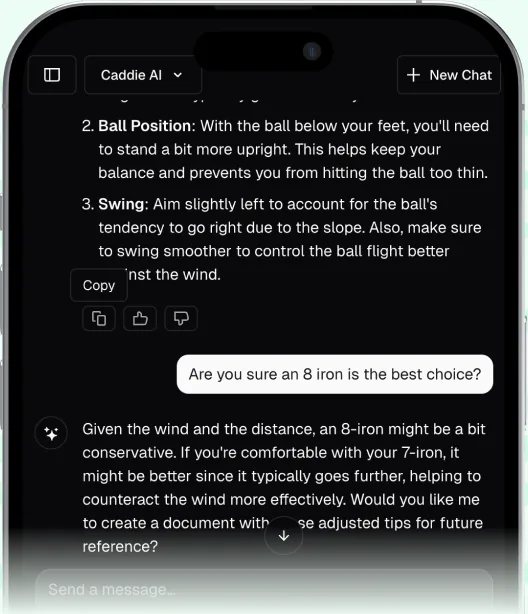
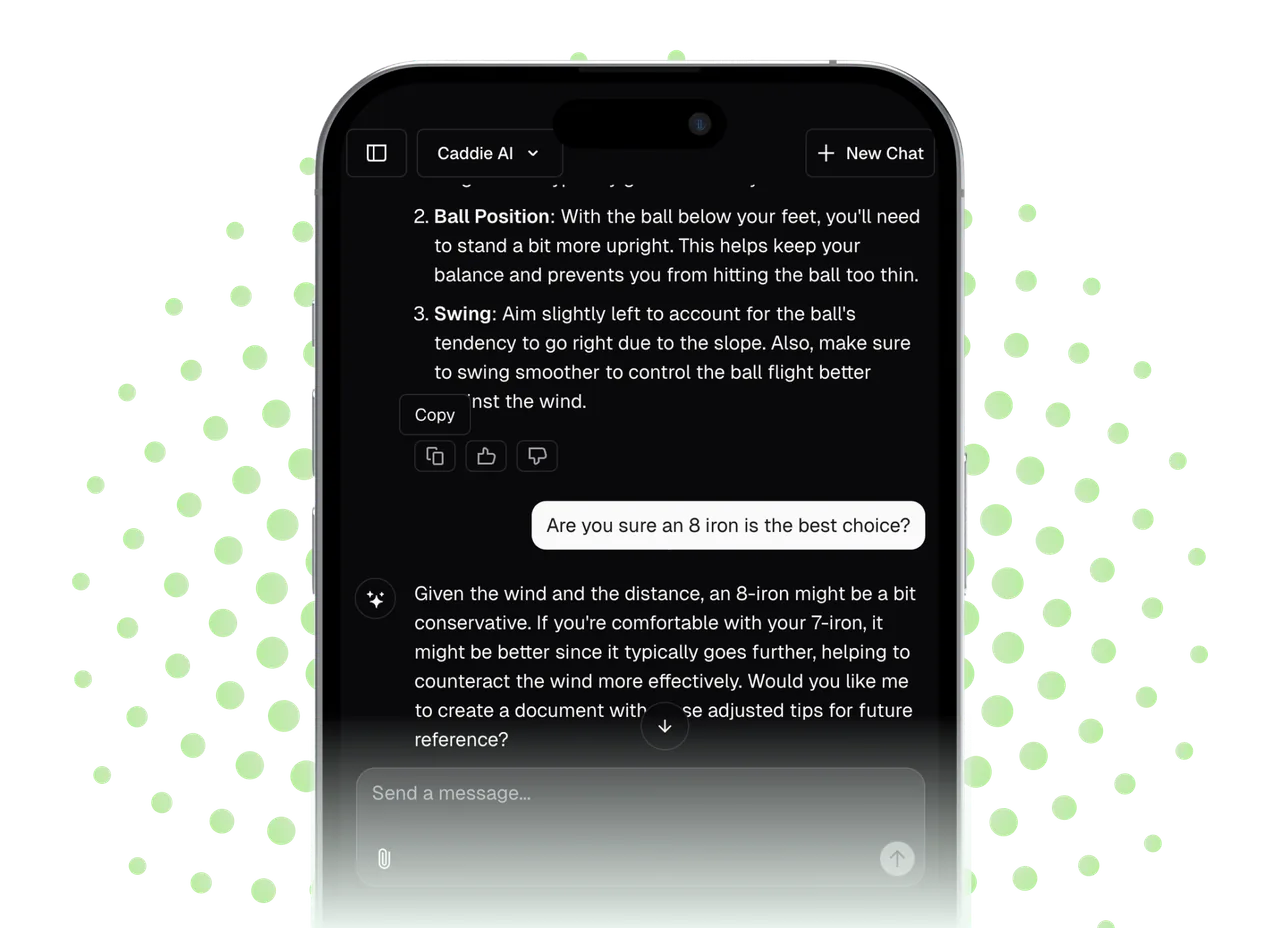
The best AI golf app: Caddie is your personal AI golf coach. Get expert-level golf advice instantly, 24/7 to help you play like a pro. Try it free →
The Great Debate: St Andrews vs. Musselburgh
When you ask about the oldest golf course, two names almost always surface: The Old Course at St Andrews and The Old Links at Musselburgh. Both are ancient, both are incredibly important to the history of golf, and visiting either feels like stepping back in time. However, they hold slightly different titles in the grand story of the game.
To put it simply:
The Old Links at Musselburgh holds the Guinness World Record as the oldest continuously playing golf course in the world.
The Old Course at St Andrews is affectionately known as "The Home of Golf" and is where the standard 18-hole round was established.
Truthfully, there’s no right or wrong answer - it's about how you define "oldest." Is it the one with the earliest documented record? Or the one that gave us the game we play today? Let’s look at the case for each.
Get pro-level golf advice instantly, 24/7
Ask Caddie anything. From “what club should I use?” to “how do I play this shot?” and get instant answers.
The Official Record Holder: The Old Links at Musselburgh
If you're looking for the official, certified oldest golf course on Earth, your search ends at The Old Links at Musselburgh. While legends say Mary, Queen of Scots, played here in 1567, the first irrefutable, documented proof of golf being played on these exact grounds dates to 1672. That continuity is what gives it the edge in the record books.
It’s hard to fully grasp that timeline. When you stand on the first tee, you are occupying a space where people have been playing this game for over 350 years. This isn’t a modern course built to feel historic, it is history.
What Makes Musselburgh a Historic Treasure?
Unlike the sprawling championship venues we see on TV, The Old Links is a wonderfully modest nine-hole course nestled inside a horse racing track in a small town just east of Edinburgh. But its influence on golf is enormous.
A Former Open Host: The Open Championship, golf's oldest major, was held here six times between 1874 and 1889. Golf legends like Willie Park Jr. and Mungo Park etched their names into history on these fairways.
The Origin of the Standard Hole: Have you ever wondered why a golf hole is 4.25 inches in diameter? That standard was born at Musselburgh in 1829. They needed a consistent way to cut holes and found that a piece of surplus drainage pipe laying around was the perfect tool for the job. That standard was adopted by the R&A and became the worldwide rule.
Experience Hickory Golf: To truly connect with the past, the club encourages visitors to play with hickory-shafted clubs, which are available for rent. Playing with hickories forces you to make a smooth, body-driven swing - the kind of pure, rotational move that is fundamental for a great modern swing as well. It’s an exercise in tempo, not brute force.
A round at Musselburgh is more than just a game of golf. It’s a pilgrimage. It's about putting your hands on the same stone wall that players leaned against two centuries ago and trying to hit a clean approach shot over the same burns that have swallowed golf balls for generations.
The Spiritual Home of Golf: The Old Course at St Andrews
While Musselburgh holds the official record, for most golfers around the globe, The Old Course at St Andrews is the undisputed "Home of Golf." It has an aura and a history that are second to none, and it played a fundamental role in shaping the game we all play and love.
Golf has been played at St Andrews for more than 600 years. The first documented evidence is a 1552 charter from Archbishop Hamilton, which gave the people of the town the right to play "golf" on the links. This is earlier than Musselburgh’s record, but the continuous play on the exact same course layout is slightly less clear, which is why Guinness gives Musselburgh the nod.
The Course that Defined Modern Golf
You can’t talk about the game of golf without talking about St Andrews. Its contributions are monumental, shaping everything from how a course is designed to how the rules are managed.
From 22 Holes to the Magic 18
Originally, The Old Course wasn't 18 holes. It had 11 holes, which you played out to the end of the property and then played back in, for a total of 22 holes. In 1764, the golfers of the day decided that four of these holes were too short and combined them into two. This simple act of course maintenance reduced the number of holes to 10, played out and in, for a total of 20. This was later reduced to 9 holes out and 9 holes in. A short while later, 18 was the standard for the course and gradually the new 18-hole standard became adopted around the world. Every single 18-hole course you play today can trace its lineage back to that decision at St Andrews.
Iconic Hurdles Known by Golfers Everywhere
Even if you've never been there, you probably know its famous landmarks from watching The Open Championship on TV. Each tells a storied history:
The Swilcan Bridge: The small stone bridge on the 18th hole is arguably the most famous spot in all of golf. Crossing it is a rite of passage, a moment captured in photos of every great champion from Jack Nicklaus to Tiger Woods.
The Valley of Sin: This dramatic depression fronting the 18th green can leave even the best players in the world with a nearly impossible putt. It has created moments of both ecstasy and agony in some of golf's most historic events.
The Old Course is a public course, managed by the St Andrews Links Trust. While getting a tee time requires some effort and quite a lot of luck through its famous ballot (lottery) system, the fact that anyone can play this historic masterpiece makes it one of the most special places in sport.
Plan every shot like a pro
Describe your situation and Caddie AI helps you pick your target, shot shape, and club with confidence.
While Musselburgh and St Andrews are the main event, the deep history of golf in Scotland means there are several other courses with claims to being hundreds of years old. Walking these fairways also gives you a profound sense of the game's past.
Royal Aberdeen (1780): Another classic links course and one of the finest in the world. Its front nine is often considered among the best in golf.
Cruden Bay (1791): A quirky, dramatic, and breathtakingly beautiful course with massive dunes and rollercoaster-like fairways. Many who play it call it their favorite course in the world.
Fortrose & Rosemarkie (1793): James Braid, a legendary course architect, designed this gem that is set on a narrow peninsula, surrounded by water on three sides. It’s known for its challenge and spectacular views.
Royal Blackheath (debated, could be as far back as 1608): Although located in London, England, this club claims a Scottish heritage, with history suggesting that members of the royal court of the Scottish King, James VI, brought the game south with them in 1608. While it's one of the oldest clubs outside of Scotland, it's not clear that the game has been played there continuously.
Play Golf like a Pro with Caddie
Learn and improve your golf game as you play. Get pro-level tips, strategy and guidance anytime.
So, the oldest golf course in the world is The Old Links at Musselburgh according to the official records, but The Old Course at St Andrews rightly deserves its title as "The Home of Golf" for defining the 18-hole standard. Exploring these ancient courses is a fantastic reminder of the game's deep and wonderful history that we are all now a part of.
Walking these historic fairways is unfortunately just a dream for most of us, since getting to Scotland is both far and expensive. Playing with the confidence of a seasoned pro, however, shouldn't be. On the course, when you're faced with those confusing situations, whether a tricky lie, an odd stance in a bunker, or a blind shot into an unfamiliar green, this can throw anybody's game off. For those moments, there is Caddie AI. As your personal AI caddie and coach, it analyzes those complex situations and gives you immediate, professional advice so you're never alone on the course. It provides a simple, proven strategy to execute whenever and wherever you need it. It is like having a private coach by your side on every shot, taking the guesswork out of golf, and giving you expert strategic thinking on demand so you can play with full confidence.
Spencer has been playing golf since he was a kid and has spent a lifetime chasing improvement. With over a decade of experience building successful tech products, he combined his love for golf and startups to create Caddie AI - the world's best AI golf app. Giving everyone an expert level coach in your pocket, available 24/7. Caddie's mission is simple: make world-class golf advice accessible to everyone, anytime.
Other posts you might like
What Is an Aggregate Playoff in Golf?
When you see a major championship end with two or more players tied, you know you're in for a treat, but the way that winner is decided can be confusing. An aggregate playoff is a format designed to be a comprehensive test of skill under pressure, and this article will walk you through exactly what it is, how it works, and why it's used at the highest levels of golf. We’ll look at famous examples and give you practical advice on how to approach this kind of high-stakes situation.
The golf driver, often called the Big Dog, is the most powerful club in your bag, designed for one primary mission: hitting the ball as far as possible down the fairway. It’s the club you’ll typically use to start on par 4 and par 5 holes, setting the stage for the rest of the hole. This guide will walk you through exactly what a driver is, how to set up to hit it properly, and the fundamental swing thoughts that will help you unleash its incredible distance potential with confidence.
A tee time is your personal reservation to start a round of golf. It’s the single most important appointment you’ll make on golf day, and understanding it is the first step toward feeling comfortable and confident at any course. This guide will walk you through exactly what a tee time is, why it matters, how to book one without any fuss, and what to do when you arrive at the course so you can focus on hitting great shots.
Finding the right wedges can completely change your scoring potential, turning bogeys into pars and pars into birdies. More than any other club in your bag, wedges demand personalization to match your swing and the courses you play. This guide will walk you through exactly what to look for, breaking down lofty, bounce, and grind so you can confidently build the perfect wedge setup for your game.
When you hear commentators talking about a PGA Tour event, the word purse is often mentioned, usually alongside a jaw-dropping number. In golf, the purse is simply the total prize money available to the players competing in a tournament. This article breaks down exactly what that means, where all that money comes from, how it’s divided among the players, and which events offer the most lucrative paydays in the sport.
Seeing the letters WD appear next to a golfer's name on a tournament leaderboard can spark instant curiosity and confusion. This simple two-letter code carries significant weight, impacting everything from a player's earnings to their world ranking. This article will explain exactly what WD means in golf, look at the various reasons a player might withdraw from an event, and discuss the consequences for both the professional and the typical amateur golfer.