The oldest golf course west of the Mississippi River is Gearhart Golf Links, founded in 1892 in the small seaside town of Gearhart, Oregon. While other courses lay claim to history, Gearhart has stood the test of time, continuously operating and inviting golfers to walk its historic fairways for over a century. This article will not only tell the story of this incredible course but also highlight other early western golf pioneers and give you some practical advice on how to best enjoy a round on a piece of living history.
The best AI golf app: Caddie is your personal AI golf coach. Get expert-level golf advice instantly, 24/7 to help you play like a pro. Try it free →
The Envelope, Please... The Oldest Course is Gearhart Golf Links
In the late 19th century, golf was a fledgling sport in America, brought over by Scottish immigrants who couldn't imagine life without it. While the game blossomed in the East, its journey west was slower, often following the new railroad lines to burgeoning resort towns. And in one of those towns on the rugged Oregon coast, a few determined Scots decided a proper links was in order.
From Seaside Pasture to Storied Fairways
The story of Gearhart Golf Links is delightfully humble. It wasn't designed by a world-famous architect and backed by wealthy industrialists, it was laid out by a handful of men who knew what a real golf course should feel like. In 1892, they staked out a spare three holes on a piece of seaside dairy pasture, complete with rudimentary "greens" scraped out of the sand and tin cans sunk into the ground as cups. It was rugged, it was raw, and it was golf.
One of those founders, Robert Livingstone, famously missed his home links so much he convinced his friends to start the course so they’d have a place to play. This origin story is essential to Gearhart's character. It wasn’t a manufactured experience, it grew organically from a passion for the game. Over the years, the course expanded to nine holes, and eventually to eighteen. It saw redesigns and renovations from noted architects, including H. Chandler Egan, a two-time U.S. Amateur champion and a man who helped shape many of the West Coast's greatest courses, including Pebble Beach.
What makes Gearhart’s claim so solid is its continuous operation. Many other "old" courses have closed down for periods or moved locations. Gearhart has been right there, in the same spot, welcoming golfers consistently since 1892. It's a public course, maintaining a friendly, accessible vibe that beautifully reflects its grass-roots beginnings.
Playing a Piece of History: What's Gearhart Like Today?
Stepping onto the first tee at Gearhart is a special experience. You're not just playing golf, you're connecting with a history that predates the modern game as we know it. The course today is a par-72 layout that stretches to about 6,500 yards. It’s what you would expect from a classic Oregon coastal course: sandy soil, windswept fairways, and a character that changes with the weather.
From a golf coach's perspective, this is not a course you can overpower with a driver on every hole. It’s a classic, strategic test.
Natural Contours: The course was laid out over the natural linksland. Egan's work emphasized using the existing dunes and swales, so you’ll face a variety of uneven lies that demand balance and a clean strike.
Strategic Bunkering: The bunkers are not just penal, they are directional. They force you to think about the shape of your shot and the angle of your approach into the green.
The beauty of Gearhart is its unassuming nature. There's no pretense here. You can show up, tee it up, grab a pint at the McMenamins Pub on-site, and feel like you're a part of the local fabric. It’s a living, breathing testament to the simple joy of the game.
Get pro-level golf advice instantly, 24/7
Ask Caddie anything. From “what club should I use?” to “how do I play this shot?” and get instant answers.
While Gearhart holds the official title, other historic courses west of the Mississippi deserve recognition. Golf history can be a bit murky, with club foundational dates sometimes differing from when first play occurred. Here are a couple of other hugely important courses in the West's golf story.
Del Monte Golf Course (1897) - California's Grand Dame
Just five years after Gearhart's rudimentary holes were carved out, Del Monte Golf Course officially opened in Monterey, California. Billed as the oldest course in continuous operation west of the Mississippi, there's a friendly debate between it and Gearhart. While Gearhart's golf grounds date to 1892, Del Monte staked its claim as a professionally designed and built course opening in 1897.
Part of the famous Hotel Del Monte resort, the course represented the next evolution of golf in America - a luxury amenity designed to attract wealthy tourists. It has an inland, parkland feel surrounded by old oaks and cypress. Its small, subtly breaking greens are its greatest defense and have humbled even the best players for generations. Like Gearhart, Del Monte is open to the public, offering a chance to play on the same turf that hosted the original California State Amateur and countless other historic events.
Oakhurst Links... A Quick Clarification
You may have heard of Oakhurst Links in West Virginia as the "oldest golf course in America," and that's generally accepted. Founded in 1884, it's an incredible time capsule of golf's beginnings. But why isn't it the subject of our article? Location, location, location. Oakhurst is located firmly east of the Mississippi River.
It's worth mentioning because it provides fantastic context. The experience at Oakhurst, where players often use period-appropriate hickory-shafted clubs and gutta-percha replica golf balls, highlights just how different the game was when courses like Gearhart and Del Monte were born. The game was slower, more tactical, and closer to hiking through a pasture than the manicured a-la-carte experience we have today.
Plan every shot like a pro
Describe your situation and Caddie AI helps you pick your target, shot shape, and club with confidence.
Playing a course that's over 120 years old is a unique treat, and you'll get more out of it if you go in with the right mindset. Think of it less as a test of your personal best and more as a conversation with the past. As a coach, this is what I'd tell you before teeing off.
1. Do Your Homework
Spend five minutes before your round reading about the course's origins or its architects. Understanding who H. Chandler Egan or Charles E. Maud (Del Monte's original designer) were and what their design philosophy was will give you a new appreciation for the why behind each bunker and every subtle slope.
2. Choose the Right Tees
This is my number one tip for playing classic courses. These layouts were not designed to be played from 7,000+ yards. They were built for hickory shafts and less lively golf balls. To experience the strategy as the architect intended - playing to certain layup areas, taking specific angles into greens - it's often best to play from a shorter yardage than you normally would. Resist the temptation to "go to the tips." Instead, choose a tee box that allows you to have a mid- to short-iron into most par 4s. You'll have way more fun.
3. Pack Your Imagination (and Maybe Not Your Driver)
Today’s game is often a simplistic equation of "Driver, Wedge." Old courses ask for more creativity. They demand shot-shaping, trajectory control, and a savvy ground game.
Can you hit a low punch shot under the wind?
Can you land a ball short of the green and let it run up onto the putting surface?
Can you play a deliberate fade around a well-placed bunker?
These are the questions old courses ask of you. Try leaving the driver in the bag on a tight hole and play a gentle 3-wood or a long iron. Don't be afraid to think differently. Appreciate the journey the ball takes as much as its final destination. Savor the walk. This type of golf is about feel, creativity, and connection to the landscape - a perfect remedy for the often all-too-technical modern game.
Play Golf like a Pro with Caddie
Learn and improve your golf game as you play. Get pro-level tips, strategy and guidance anytime.
The definitive answer to "What is the oldest golf course west of the Mississippi?" is Gearhart Golf Links in Oregon, a public-access gem born in 1892. Playing historic courses like Gearhart or Del Monte offers more than just a round of golf, it's a nostalgic experience that connects you to the very soul of the game, emphasizing strategy and finesse over sheer power.
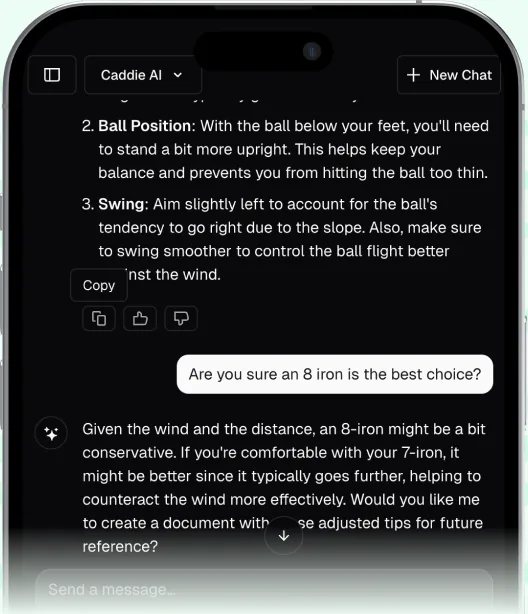
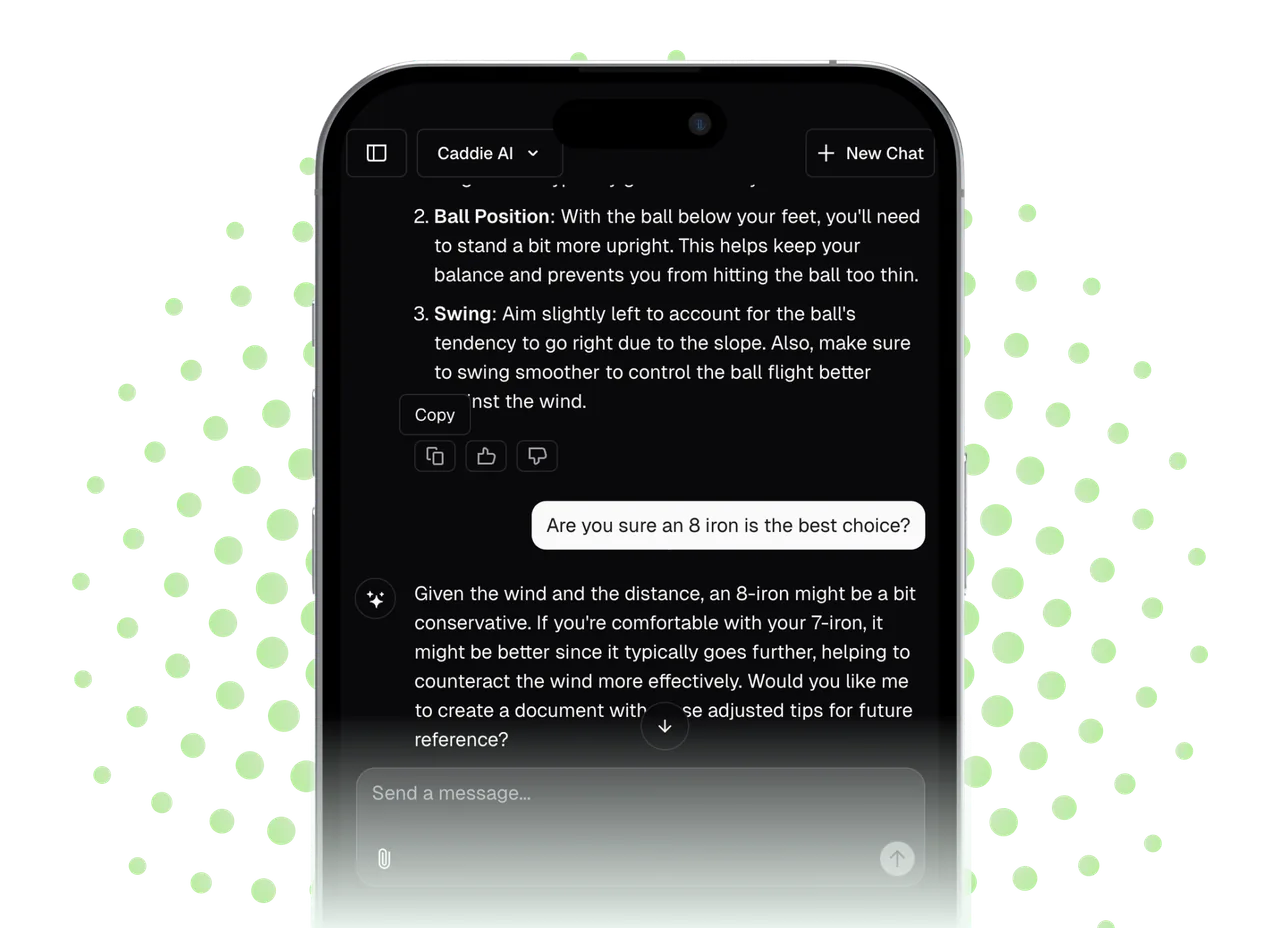
When you're trying to navigate the subtleties of a century-old design or any course for that matter, having a smart strategy is a huge advantage. That’s why we designed Caddie AI to help. It can provide on-demand strategic advice for any hole you’re standing on, helping you understand the architect's intent and choose the smartest play. Whether you need a club recommendation to handle coastal winds or a simple plan to avoid a course's historic hazards, you've got an expert opinion to help you play smarter and more confidently.
Spencer has been playing golf since he was a kid and has spent a lifetime chasing improvement. With over a decade of experience building successful tech products, he combined his love for golf and startups to create Caddie AI - the world's best AI golf app. Giving everyone an expert level coach in your pocket, available 24/7. Caddie's mission is simple: make world-class golf advice accessible to everyone, anytime.
Other posts you might like
What Causes Fairy Rings on Golf Greens?
Ever walked up to a putting green and spotted a dark green, almost perfectly circular ring in the turf? You've just found a classic fairy ring. These patterns might look like a supernatural occurrence or a sign of alien landscapers, but their origin is much more down-to-earth. This article will walk you through exactly what causes those mysterious circles on golf greens, how they form, and the steps superintendents take to manage them.
That time of year is here again - when shiny new golf clubs start popping up in the bags of tour pros and filling the shelves of your local golf shop. If you're wondering what the latest and greatest gear is for this season and what technology is setting the new standard, this guide is for you. We’ll look at the major new releases from top brands, break down the tech behind them, and give you some real-world coaching advice on whether an upgrade is the right move for your game.
If you're wondering What happened to Bubba Watson the golfer?, you're not alone. For years, the man with the pink driver and the homemade swing was one of the most visible and exciting players on the PGA Tour. This article will break down exactly where Bubba has been, covering his big move to LIV Golf, his life off the course, and what every amateur golfer can learn from his one-of-a-kind approach to the game.
What Is the Purse for the FedEx Golf Championship?
The total bonus pool for the PGA TOUR’s FedExCup Playoffs is a staggering $75 million, with the ultimate winner pocketing a life-changing $25 million. This isn't your a typical tournament purse, it's the reward for a season-long marathon that culminates in a dramatic three-event finale. We'll break down exactly how that money gets distributed, explain how the playoffs work, and look into what this incredible prize means for the best golfers on the planet.
Choosing the right golf ball can feel like it requires an engineering degree, but finding the one that suits your game is much simpler than the marketing suggests. This guide will cut through the noise, breaking down golf ball construction, feel, and performance into simple concepts you can use immediately. We’ll show you how to match a ball to your personal swing and handicap so you can play with more confidence and consistency.
There is perhaps no single shot in golf more demoralizing, confusing, and score-wrecking than the double cross. One moment you're confidently setting up for a gentle fade, and the next you’re watching your ball snap hook violently in the opposite direction, often into deep trouble. This article breaks down exactly what a double cross is, why it happens, and provides you with the concrete drills and strategies you need to eliminate it from your game for good.