Knowing when you can finally hit your first shot of the day is about more than just a number on a clock. It’s a combination of official rules, unwritten etiquette, and course procedures that can make or break the start of your round. This guide will walk you through everything, from securing your tee time to the proper etiquette on the tee box, so you can step up to your ball with confidence.
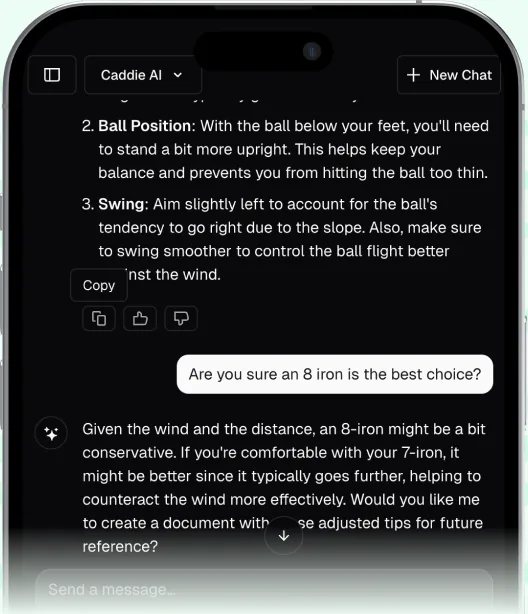
The best AI golf app: Caddie is your personal AI golf coach. Get expert-level golf advice instantly, 24/7 to help you play like a pro. Try it free →
The Official Tee Time: Your Scheduled Entry to the Course
First things first, you almost always need a reservation, known as a "tee time," to play a round of golf. This is your specific, scheduled time to begin your round on the first hole. Think of it like a dinner reservation - it holds your table, or in this case, your spot on the course.
How to Get a Tee Time
Most golf courses use online booking systems, a dedicated app, or a simple phone call to the pro shop. Popular courses and peak times (like weekend mornings) can book up weeks in advance, so planning ahead is a good idea. When you book, you'll typically reserve a slot for your entire group, whether you're playing with a foursome, threesome, or twosome.
Arriving for Your Tee Time: The Golden Rule
The single most important rule is to arrive early. A good benchmark is to be at the course at least 30-45 minutes before your scheduled tee time. This isn’t about just sitting around. This buffer gives you time for several important steps:
Checking In: Your first stop is the pro shop. Here, you'll check in with the staff, pay for your round (known as greens fees), and pick up a cart if you're riding. This is also your chance to ask about current course conditions, like if there are any temporary greens or a "cart path only" rule in effect.
Warming Up: Never go from your car straight to the first tee. Use the time to hit a small bucket of balls at the driving range, roll a few putts on the practice green, and do some light stretching. This prepares your body for the athletic motion of the golf swing and helps prevent injury and those frustrating first-hole mistakes.
Being Punctual at the Tee: You should aim to be at the first tee box, ready to go, about 5-10 minutes before your tee time. The course starter will often manage the flow of groups and will call your group to the tee when it's your turn.
What Happens if You're Late?
Life happens, and sometimes you'll run late. If you know you're not going to make it on time, call the pro shop immediately. Let them know your situation. More often than not, they will be understanding and try to fit you in a later time slot, although you might have to wait. If you simply show up late without notice, the course is well within its right to give your tee time away to a waiting group.
Get pro-level golf advice instantly, 24/7
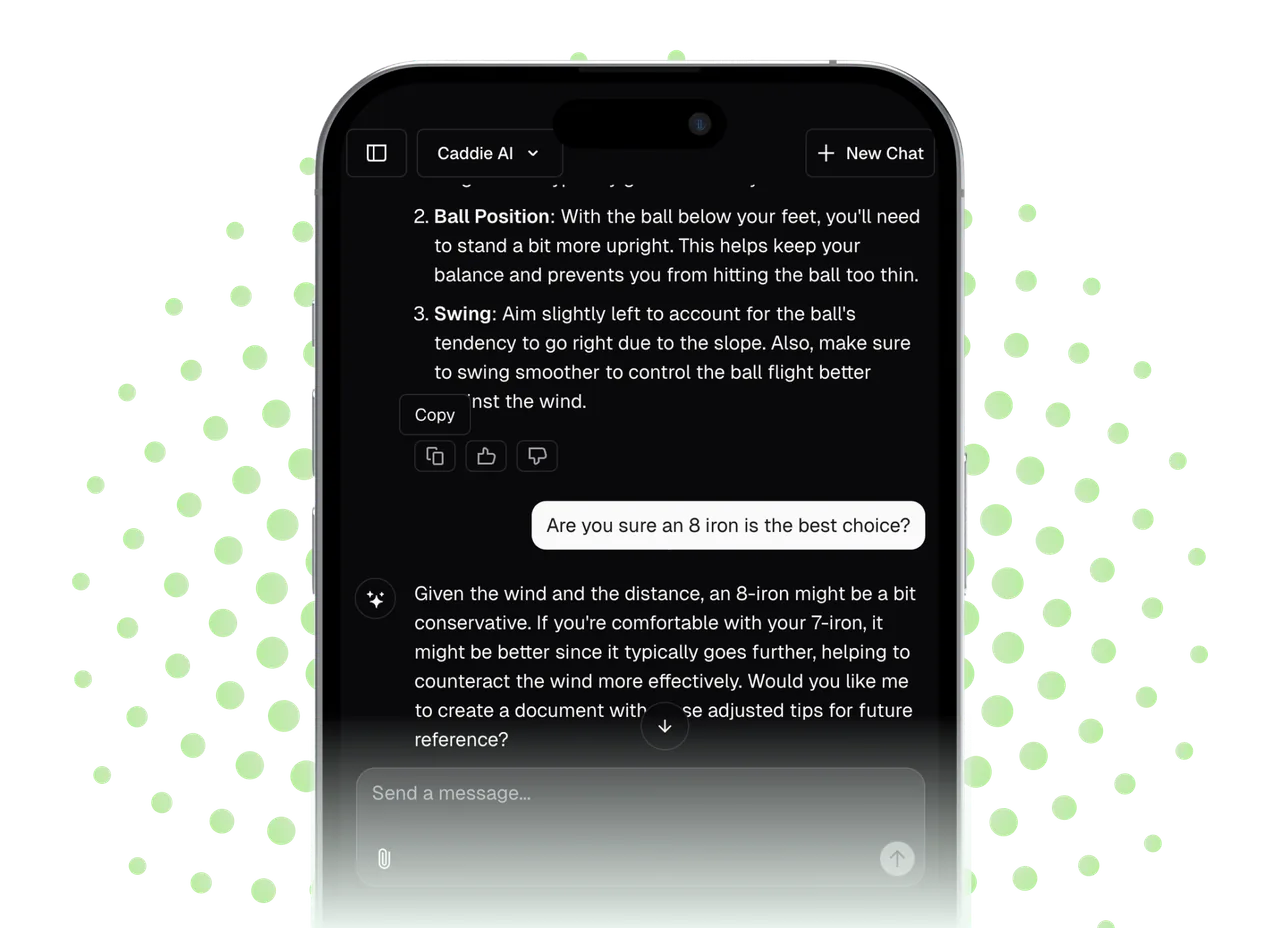
Ask Caddie anything. From “what club should I use?” to “how do I play this shot?” and get instant answers.
On the Tee Box: The Rules and Etiquette of Teeing Off
You’ve checked in, you’re warmed up, and the starter has just called your group. Now you’re standing on the tee box. This is where a little knowledge of rules and etiquette goes a long way.
Who Tees Off First? Understanding "Honors"
The privilege of teeing off first is called having "the honors." How it's decided varies:
On the First Tee: It’s usually informal. Your group might simply decide amongst yourselves. Common methods include flipping a tee and seeing where it points, rock-paper-scissors, or just letting the player who feels most ready go first. In more formal or tournament settings, the order may be predetermined on a scorecard.
On Subsequent Tees (Hole #2 through #18): The honors are earned. The player with the lowest score on the previous hole tees off first. If two or more players tied, you stick with the same order you used on the last tee. This system is a longstanding tradition that keeps the game moving fairly.
The Teeing Ground: Where You Can Legally Tee Up
You can't just stick your tee anywhere on the grass. You must tee your ball up within a specific rectangular area called the "teeing ground."
This area is marked by two tee markers (they might be different colors depending on which set of tees you are playing from). The front of the teeing ground is defined by the line between the two markers. You can then place your tee anywhere up to two club-lengths behind that line. You cannot tee your ball up in front of the markers - doing so in a competition would result in a two-stroke penalty.
A good tip is to find a flat, even piece of ground within that rectangle. Don't be afraid to walk around a bit to find a spot that gives you a comfortable stance.
A Note on "Ready Golf"
While the "honors" tradition dictates a formal order, most casual rounds these days embrace an informal concept called "ready golf." This simply means that if you're ready to hit and it's safe to do so, you should go ahead, even if it's technically not your turn. This is all about improving the pace of play and keeping the game enjoyable for everyone on the course. If the player with honors is taking a moment to choose a club or review their yardage, and you're all set, it's perfectly fine to say, "Mind if I go ahead?" and hit your shot.
Tee Box Etiquette: The Unwritten Rules
How you conduct yourself while others are teeing off is a big part of golf. Following these simple guidelines shows respect for your playing partners and the game itself.
Stand Still and Be Quiet: Once a player starts to take their stance and address the ball, all talking should stop. Any movement or noise can be a major distraction.
Find a Safe Spot: The safest place to stand is behind the player and away from their intended line of play. Never stand directly behind the ball where they can see you in their peripheral vision, or too far forward where a mis-hit could be dangerous.
Watch Their Shot: It's good form (and helpful) to watch your partners’ tee shots until they land. Four pairs of eyes are better than one for finding a ball that goes offline into the rough.
Be Ready: When it’s your turn, be prepared. Have your tee and ball in hand, and have a good idea of which club you're going to hit. Fumbling around in your bag when it's your turn slows down the entire group.
What if Things Don't Go to Plan?
Sometimes, tee shots go wrong. Here’s what to do.
You Hit a Terrible Shot into Trouble
If you hit a ball that you think might be out of bounds or lost in the woods, the best practice is to announce you are hitting a "provisional ball." You then tee up a second ball and play a shot from the same spot. If you find your original ball in play, you simply pick up the provisional and play your first ball. If your first ball is truly lost or out of bounds, you save a long walk or drive back to the tee by playing the provisional ball (with a penalty stroke).
Your Group is Slowing Down the Course
If your group is playing slowly and there's an open hole in front of you with a group waiting behind you, the courteous thing to do is to let them "play through." The easiest way is to wait by the side of the next tee box, wave them up, and let them tee off before your group continues.
Plan every shot like a pro
Describe your situation and Caddie AI helps you pick your target, shot shape, and club with confidence.
Putting It All Together: A Hypothetical Walkthrough
Let's say you have a 10:20 a.m. tee time. Here’s the ideal flow:
9:40 a.m. You arrive at the course, park, and head to the pro shop.
9:45 a.m. You check in, pay, and get your cart key.
9:50 a.m. You spend about 15 minutes at the driving range hitting a few balls to loosen up, followed by a few minutes on the putting green to get a feel for the speed of the greens.
10:10 a.m. You drive your cart over to the first tee. You see the group ahead of you finishing up their tee shots.
10:15 a.m. Your group gathers by the tee. The starter confirms your tee time. You decide who has honors.
10:20 a.m. The first player in your group tees off. The round has officially begun!
Play Golf like a Pro with Caddie
Learn and improve your golf game as you play. Get pro-level tips, strategy and guidance anytime.
Teeing off gracefully is the first step toward a smooth, enjoyable round of golf. It’s a mix of following the formal rules about your tee time and where to hit from, and embracing the unwritten etiquette that shows respect for your fellow golfers. Mastering this process is a simple way to feel more comfortable and confident on the course.
While knowing when and where to tee off sets the stage, knowing what to do on that tee shot is an entirely different level of thinking. Getting an effective strategy can be overwhelming, between picking the right line, the right club, and feeling good about the decision. This is precisely where we designed Caddie AI to step in. It gives you an immediate, smart game plan for the hole you're about to play, helping you avoid trouble and select a target that sets you up for success, so you can make your first swing of the day with total clarity and conviction.
Spencer has been playing golf since he was a kid and has spent a lifetime chasing improvement. With over a decade of experience building successful tech products, he combined his love for golf and startups to create Caddie AI - the world's best AI golf app. Giving everyone an expert level coach in your pocket, available 24/7. Caddie's mission is simple: make world-class golf advice accessible to everyone, anytime.
Other posts you might like
How Yoga Can Improve Your Golf Game
Adding a yoga practice to your routine can unlock significant gains in your golf game, improving everything from the power of your swing to your on-course focus. This isn't about transforming into a human pretzel, it’s about making targeted improvements to your body that translate directly to hitting better shots and lowering your scores. This guide will break down precisely how yoga benefits golfers and provide specific poses and routines you can start doing today.
Yes, you can absolutely mail your golf clubs, and for your next golf trip, it might just be the smartest move you make. Sending your clubs ahead of you can save you from airport headaches, oversized baggage fees, and the dreaded fear of a cracked driver upon arrival. This guide will walk you through exactly how to do it, comparing the top shipping options and providing a step-by-step process for packing your clubs securely.
You can absolutely use your iPhone as a high-performance golf GPS, and doing so can completely change the way you manage the course. Gone are the days of pacing off sprinkler heads or spending hundreds on a dedicated device. This article will show you exactly how to transform the device already in your pocket into a powerful, on-course caddie. We’ll cover the pros and cons, how to pick the right app for your game, and a step-by-step guide to get you set up for success before your next round.
A sudden downpour has washed out your weekend tee time, but the itch to swing a club remains. The great news is that a little rain doesn't have to ruin your golf plans. This article will break down exactly what to expect when you head to Topgolf on a rainy day, how to prepare, and even how you can use the conditions to your advantage.
So, you’ve got the itch to smash some golf balls, but you’re asking yourself, Where can I actually go to hit a bucket? That's a great question, because your options are better and more varied than ever. This guide will walk you through the four main types of places you can practice, what to expect from each, and how to make every swing count once you get there.
If you've ever looked at a professional golf leaderboard, you've probably seen a grid of numbers with headings like R1, R2, R3, and R4. The answer is simple: <strong>R4 stands for Round 4.</strong> It’s the fourth and final round of a standard 72-hole professional golf tournament. In this article, we’ll not only define R4 but also break down why it’s the most exciting day in golf, how tournament formats work, and how you can apply final-round winning strategies to your own game.