Shopping for a new pair of golf shoes means you’re either new to the game or getting more serious about it - and both are great reasons to be excited. Finding the right place to buy them, however, can be as tricky as a downhill putt. This guide cuts through the noise and shows you the best places to buy your next pair, whether you prefer trying them on in person or finding a deal online.
The best AI golf app: Caddie is your personal AI golf coach. Get expert-level golf advice instantly, 24/7 to help you play like a pro. Try it free →
Why Your Golf Shoes Are Mission Control for Your Swing
Before we talk about where to buy, let's quickly cover why the right shoes are a game-changer. I see it on the lesson tee all the time: a golfer builds a great swing, but their foundation is unstable. A good pair of golf shoes isn't just about style, it’s about providing the stable base you need to make a confident, powerful swing.
Your golf swing is a rotational action. You’re turning your body around your spine, generating power from the ground up. If your feet are sliding around in your running shoes, you leak power and lose consistency. Golf shoes, with their specific traction patterns (both spiked and spikeless), are designed to grip the turf, allowing you to rotate aggressively without losing your footing. On top of that, you’ll be walking four to five miles during a round. The right shoes provide the comfort and waterproof protection to keep your feet - and your mind - focused on the next shot, not on emerging blisters or soaking-wet socks.
Get pro-level golf advice instantly, 24/7
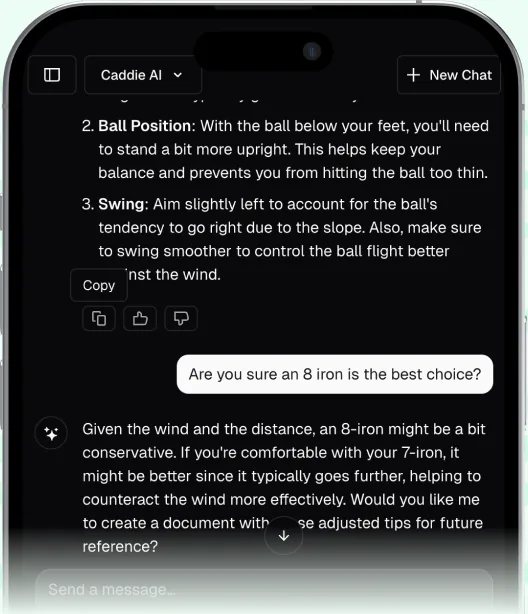
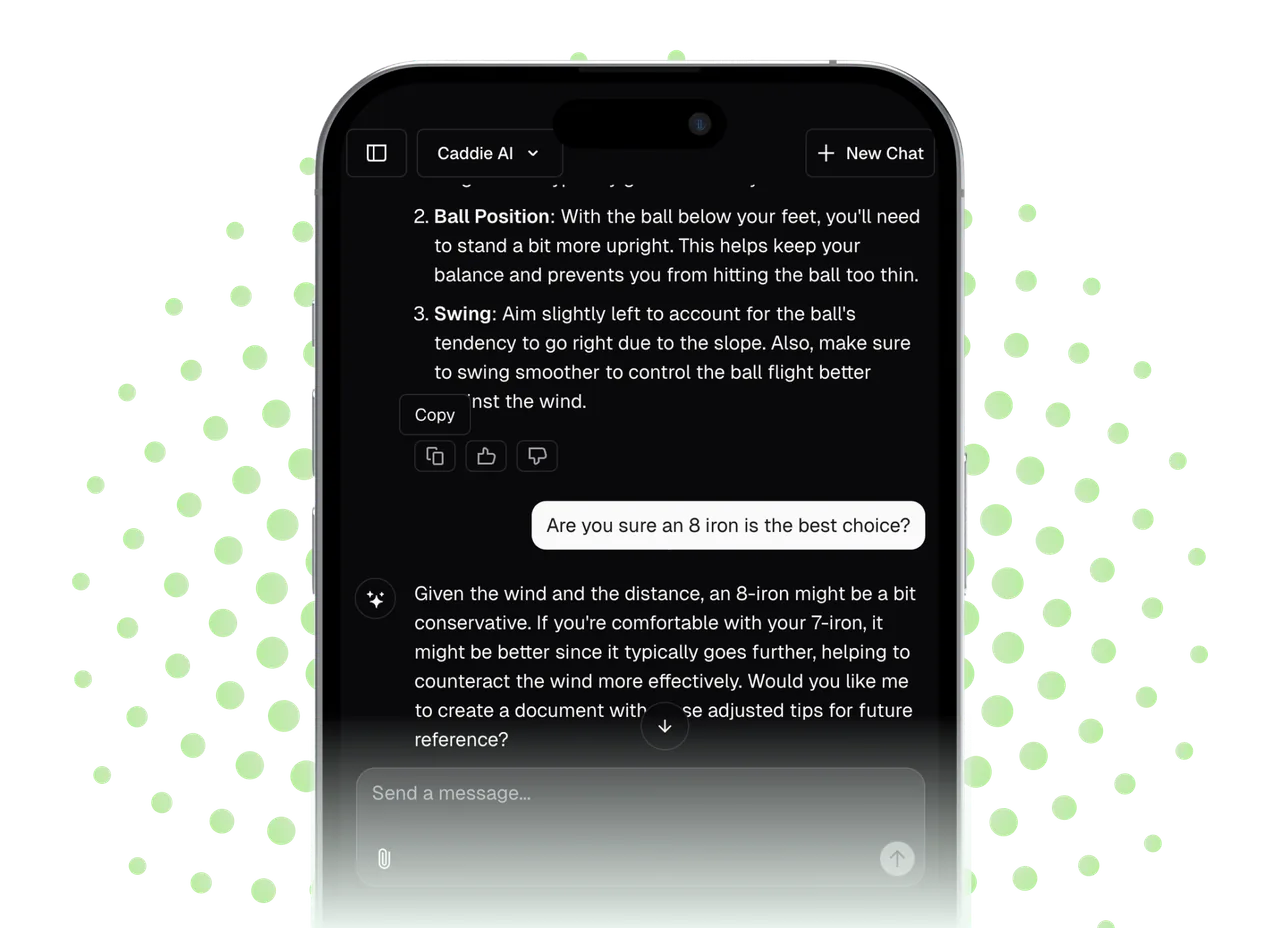
Ask Caddie anything. From “what club should I use?” to “how do I play this shot?” and get instant answers.
There's no substitute for being able to physically hold a product and try it on. When it comes to something as important as fit, buying your golf shoes from a brick-and-mortar store is a fantastic option, especially for your first pair.
Golf-Specific Superstores (PGA TOUR Superstore, Golf Galaxy)
The Good: You'll find the widest possible selection of brands, styles, and sizes under one roof. The staff are typically experienced golfers who can offer valuable advice. Many locations have putting greens or even simulators where you can make a few practice motions to feel how the shoe performs.
The Not-So-Good: While pricing is competitive, they aren't always the cheapest option. Depending on where you live, you might not have one conveniently located nearby.
Coach's Tip: Don't be shy. Ask the associate what models are most popular or what they wear themselves. They handle this gear all day and have unique insights.
Your local general sporting goods store almost always has a dedicated golf section and can be a very convenient place to shop.
The Good: These stores are everywhere, making them easily accessible. They frequently run sales promotions that can save you a good bit of money, and you can often find last year's models heavily discounted.
The Not-So-Good: The selection will be smaller than a golf-specific store. They'll carry the big brands but may lack the variety of styles or niche brands. The staff will be helpful, but they may not possess the deep, specialized knowledge of a dedicated golf retailer.
Coach's Tip: This is a great place to "showroom" - try on a few popular models to confirm your size in a specific brand before searching for a better price online.
Pro Shops at the Golf Course
Every golf course has a pro shop, and most of them sell shoes. This can be your best friend in a pinch or a source for premium gear.
The Good: The ultimate convenience. If your shoes give out unexpectedly, you can grab a new pair right before you tee off. The staff consists of PGA Professionals who can give you truly expert advice on what works best for your game and their course's conditions.
The Not-So-Good: You'll face a very limited selection, often just two or three leading brands. This convenience comes at a cost, as pro shop prices are typically the highest.
Coach's Tip: Think of the pro shop as a boutique. It's a great place to buy if you're not price-sensitive and value a pro's direct recommendation, but for bargain hunting, you're better off elsewhere.
The Art of the In-Store Fitting
If you go the brick-and-mortar route, make it count. Here's a quick checklist to follow:
Shop in the afternoon. Your feet naturally swell throughout the day, so trying on shoes later gives you a more accurate sense of an all-day fit.
Bring your golf socks. The thickness of your sock can noticeably change how a shoe fits. Always try on shoes with the same type of socks you wear on the course.
Mimic your swing. Stand in the aisle and gently simulate your golf stance and rotation. Does your heel lift out of the back? Does your foot slide side-to-side? If it does in the store, it'll be ten times worse on a tee box.
Check the width and length. You should have about a thumb's width of space between your longest toe and the end of the shoe. The shoe should feel snug across your midfoot but not tight or pinching.
Buying Online: A World of Options at Your Fingertips
If you value selection and price above all else, the internet is your best friend. The key is to know where to look and how to buy with confidence.
Major Online Golf Retailers (GlobalGolf, RockBottomGolf, TGW)
These websites are the online equivalent of the golf superstores. They are dedicated to golf and offer a fantastic shopping experience.
The Good: An enormous selection that surpasses almost any physical store. Pricing is extremely competitive, and they constantly run sales. You can easily find reviews from other golfers on specific shoe models.
The Not-So-Good: The obvious drawback is you can't try them on. While most have good return policies, shipping stuff back can be a hassle.
Coach's Tip: Sign up for their newsletters. It's the best way to get notified about flash sales and coupon codes.
Going straight to the source can have its perks, especially if you're loyal to a particular brand.
The Good: You'll see the complete and latest collection for that brand, including special editions or colorways you won't find anywhere else. Some, like FootJoy's MyJoys program, even allow you to build a completely custom-designed shoe.
The Not-So-Good: You won't be able to compare prices against other brands, and sales might be less frequent than at large online retailers.
Coach's Tip: This is the place to go if you know your exact size in a brand and want a specific, hard-to-find style.
How to Buy Shoes Online with Confidence
Buying shoes without trying them on sounds risky, but you can dramatically increase your chances of success by following a few simple steps:
Know Your Size: Find a shoe you currently own that fits well and check the size label (US, UK, and EUR sizes). This is your starting benchmark.
Read the Reviews: This is a must. Don't just look at star ratings, read what people say about the fit. Comments like "runs a half-size large" or "great for wide feet" are pure gold.
Scrutinize the Sizing Chart: Most brands have a detailed sizing chart. If they offer a measurement in centimeters or inches, take a moment to measure your foot. It's the most accurate method.
Check the Return Policy First: Before you even add an item to your cart, confirm the store's return policy. Look for "free returns." This turns your home into a private fitting room, risk-free. If you're really unsure, order the two most likely sizes and simply return the pair that doesn't fit.
Plan every shot like a pro
Describe your situation and Caddie AI helps you pick your target, shot shape, and club with confidence.
While you're shopping, you’ll face this classic choice. There’s no single “better” option, it’s about what’s better for you.
Spiked Shoes: These are the traditional choice, featuring removable plastic cleats on the sole. They offer the absolute best grip, making them ideal for golfers who play in wet, hilly conditions or have a very fast, powerful swing that demands maximum traction.
Spikeless Shoes: These have molded, permanent traction lugs on the sole instead of removable spikes. Modern spikeless designs offer incredible grip that is more than enough for most conditions. Their big advantages are comfort (they feel more like a sneaker) and versatility (you can wear them from your car to the course and into the clubhouse after).
Coach's Recommendation: For most golfers, a high-quality spikeless shoe offers the perfect blend of performance and comfort. If, however, you consistently play in a wet climate or feel your feet slipping during your swing, a modern-spiked shoe will give you that locked-in stability you need.
Play Golf like a Pro with Caddie
Learn and improve your golf game as you play. Get pro-level tips, strategy and guidance anytime.
Where you get your next pair of golf shoes comes down to your personal priorities. If you value a perfect fit and expert advice above all, head to a physical store. If you're hunting for the best possible price and the widest selection, online retailers are your destination. By understanding the pros and cons of each, you can make a purchase you’ll be happy with for many rounds to come.
Once your new shoes are providing that stable foundation, you can shift your focus to things like on-course strategy and shot selection. When you find yourself between clubs or facing a daunting shot from a tricky lie, an expert opinion can bring immense clarity. This is where a tool like Caddie AI comes in, giving you instant, personalized course-management advice directly on your phone, so you can swing with confidence every time.
Spencer has been playing golf since he was a kid and has spent a lifetime chasing improvement. With over a decade of experience building successful tech products, he combined his love for golf and startups to create Caddie AI - the world's best AI golf app. Giving everyone an expert level coach in your pocket, available 24/7. Caddie's mission is simple: make world-class golf advice accessible to everyone, anytime.
Other posts you might like
Can You Golf in Nevada?
Thinking about golfing in Nevada? The short answer is yes, you absolutely can, and it's an experience unlike anywhere else. From the dazzling, emerald-green fairways of Las Vegas that slice through the Mojave Desert to the stunning alpine courses high above Lake Tahoe, the Silver State offers a dramatic and diverse golf landscape. This guide will walk you through where to play, when the best time to tee it up is, and provide some coaching tips to help you conquer the unique challenges of Nevada golf.
A golf tee can legally be no longer than 4 inches according to the official rules set by the USGA and R&A. This simple rule has a surprising impact on how you play, especially off the tee box. This article will cover the specifics behind the rule, why tee length is so important for different clubs, and how you can choose the right tee and height to optimize every tee shot you hit.
Can Standing Too Close to the Golf Ball Cause a Slice?
That big, curving slice that haunts your scorecard might be starting before you even swing, and the culprit could be as simple as your distance to the golf ball. Yes, standing too close to the ball is a common - and often overlooked - reason for that frustrating banana ball that sends you searching in the right-side rough. In this guide, we'll break down exactly how this happens, show you how to find your perfect setup distance, and give you some simple drills to make it feel natural.
So, you’re thinking about shortening your golf clubs? The short answer is yes, you absolutely can shorten a golf club. But, and this is a big but, it's not as simple as taking a hacksaw to the shaft and calling it a day. Doing so changes more than just the length - it affects the club's weight, balance, and stiffness, all of which have a big influence on your shots. This guide will walk you through why you might want to shorten your clubs, the potential pitfalls, and how to do it the right way so you can play with more confidence and control.
The mulligan, that magical do-over after a topped drive or a shank into the woods, raises a common question among casual golfers: can you use it for absolutely any shot you hit? This article gives you a straight answer, explaining the official rules, the common etiquette for friendly games, and how to navigate the unwritten laws of this popular, unofficial golf tradition.
Thinking about hitting an extra chip shot or re-doing a putt during your round? You're not alone, but whether it's allowed is a common point of confusion on the golf course. This article cuts through the noise to give you a clear answer, explaining the official rules, the unwritten rules of etiquette, and powerful ways you can practice <em>smartly</em> during a live round to improve your game.