Choosing a new golf bag seems simple until you're faced with a wall of options, and suddenly the question, "What color should I get?" feels surprisingly weighty. This isn't just about paint and dye, it's about finding a bag that suits your game, your personality, and the practical realities of a day on the course. This guide will walk you through everything you need to consider, from temperature and durability to personal style, so you can pick a color with absolute confidence.
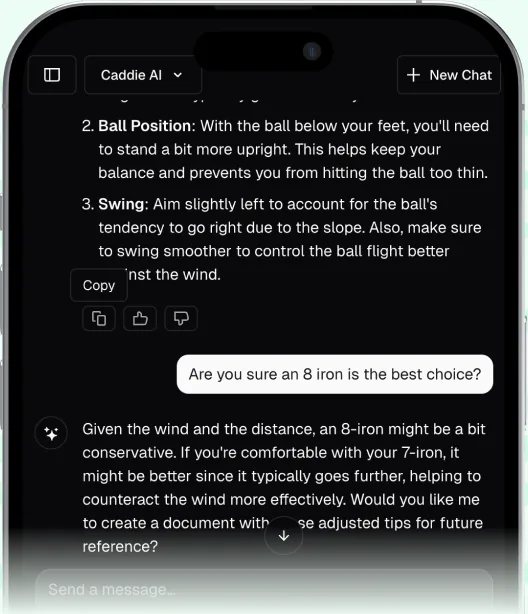
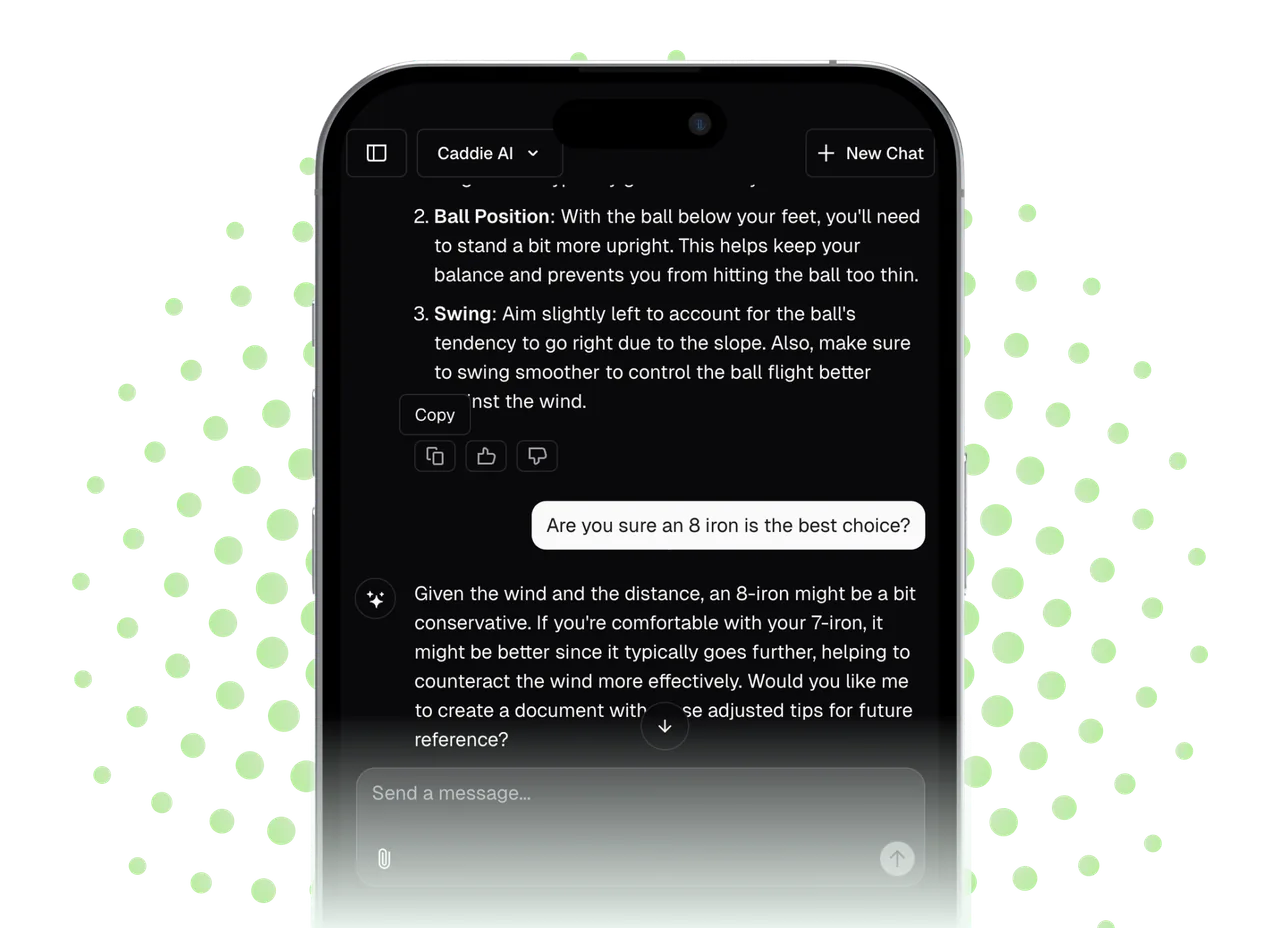
The best AI golf app: Caddie is your personal AI golf coach. Get expert-level golf advice instantly, 24/7 to help you play like a pro. Try it free →
Does Your Golf Bag Color Actually Matter?
In short, yes - more than most people think. While the color of your bag won't directly lower your handicap or fix your slice, it has a subtle yet significant impact on your golfing experience. Think about it: your bag is your partner for every round. You see it on every tee box, every fairway, and every green. It’s a piece of equipment that is highly visible and highly personal.
On one hand, there are tangible, practical reasons to choose one color over another. Some colors handle direct sun, dirt, and scuffs better than others. On the other hand, there's the psychological aspect. The right color can make you feel more confident, more professional, or simply more yourself. Your bag is a statement piece, a reflection of your approach to the game. It’s the difference between showing up feeling sharp and organized, versus feeling like your gear is an afterthought. Getting the color right is about finding that sweet spot where practicality meets personality.
Get pro-level golf advice instantly, 24/7
Ask Caddie anything. From “what club should I use?” to “how do I play this shot?” and get instant answers.
Purely Practical: How Color Affects Function and Durability
Before we get into personal expression, let’s cover the functional side of things. Your bag has to stand up to the elements, and its color plays a big role in how well it does that. Ignoring these factors can lead to a bag that looks worn out, dirty, and old before its time.
Heat Absorption and Longevity
If you primarily play in a hot, sunny climate, this is a major factor. You might remember from science class that dark colors absorb more light and heat, while light colors reflect it. A jet-black golf bag sitting in the afternoon sun in places like Florida, Arizona, or Texas will get noticeably hotter than a white or light grey one.
The Impact on Your Gear: This heat isn't just uncomfortable to the touch. It can warm up everything inside your bag, from your water bottle to your delicate electronics. Over the long term, perpetual exposure to high heat can even affect the glue that holds your grips in place, potentially causing them to loosen or slide prematurely. The fabric of the bag itself can also degrade faster under constant, intense heat.
The Lighter Alternative: A white, silver, or light grey bag will naturally stay cooler. This helps protect the contents and can extend the life of the bag's materials. It's a small detail that makes a real-world difference over hundreds of rounds.
Hiding Dirt vs. Showing Scuffs
Every bag gets dirty. The question is, what kind of "dirty" do you want to hide? There’s no magic color that stays perfectly clean, so you have to pick your battle.
Dark Bags (Black, Navy, Charcoal): These colors are fantastic at hiding dirt, grass stains, and mud splashes. If you play in a wet climate or on courses that aren't perfectly manicured, a dark bag will look cleaner for longer after a simple wipe-down. However, they tend to show dust, pollen, and light-colored scuffs more easily. A scratch from a cart strap or rubbing against a white painted curb will stand out much more on a black bag.
Light Bags (White, Light Grey, Beige): The clean, crisp aesthetic of a white bag is hard to beat. Initially, it looks incredibly professional. The downside is obvious: every speck of dirt, every grass stain from a dewy morning, and every muddy scuff is on full display. White bags require more frequent and thorough cleaning to maintain their pristine look. You’ll be wiping it down after almost every round.
Mid-Tones and Patterns (Medium Grey, Royal Blue, Green): These colors often offer the best compromise. They are dark enough to hide most dirt and light enough not to show every piece of dust or minor scratch. Heathered fabrics or subtle patterns are even better at camouflaging everyday wear and tear, giving you the best of both worlds.
Brand Longevity and Resale Value
While you're probably not buying your bag with its resale value in mind, it's something to consider. Golf equipment trends come and go. That neon-lime-and-hot-pink bag might be the height of fashion this season, but in three years, it could look seriously dated.
Classic, neutral colors like black, grey, and navy are timeless. They never go out of style and will always find a buyer on the secondhand market. If you’re someone who likes to upgrade your gear every few years, choosing a neutral color is a smart financial move. If, however, you plan to use the bag until the zippers give out and you don’t care about resale, then feel free to go with whatever trendy color catches your eye.
The Psychology of Color: What Your Golf Bag Says About You
Your golf bag is a visual extension of your identity on the course. Just like the car you drive or the clothes you wear, the color you choose sends a signal. This is less about objective rules and more about finding a style that makes you feel confident and ready to play your best golf.
The Traditionalist: Timeless and Understated
Colors: Black, Navy Blue, Forest Green, Charcoal Grey.
The Vibe: You respect the history of the game. You're not there for flash and flair, your game does the talking. This look is classic, professional, and serious. It says, "I'm here to focus and play smart golf." A black or navy bag is never out of place, whether you're at a municipal course or a private club. It communicates competence without having to shout it.
The Bold Performer: Confident and Competitive
Colors: Bright Red, Royal Blue, Tour White with prominent logos.
The Vibe: You aren't afraid to stand out. Red is a power color, often associated with aggression and winning (think Tiger Woods on Sunday). A crisp white staff bag screams "Tour Pro." These colors suggest you are a competitive player who brings energy and confidence to the course. You don't shy away from nervy putts or going for a par-5 in two. This bag announces your presence on the first tee.
The Vibe: You appreciate design, clean lines, and a well-curated aesthetic. Your approach to golf isn't just about the score, it's about the entire experience. You might match your headcovers to your shoes and your towels to your bag. This look is popular with younger players who grew up with a focus on brand and style. It’s sophisticated, modern, and very social-media-friendly.
The Fun-Loving Golfer: Approachable and Relaxed
Colors: Lighter shades like Light Blue, Pale Green, Yellow, Orange, or even Pink.
The Vibe: You're here for a good time. Golf is your escape, a chance to socialize and enjoy the outdoors. These brighter, more cheerful colors send a message that you're friendly, approachable, and don't take yourself too seriously. You’re the person everyone wants in their foursome because you keep the mood light, even after a triple bogey.
Plan every shot like a pro
Describe your situation and Caddie AI helps you pick your target, shot shape, and club with confidence.
Feeling overwhelmed? Let's turn all this information into a simple step-by-step process.
Assess Your Environment First: Where do you do most of your golfing?
Hot and Sunny? Lean toward lighter colors.
Wet and Muddy? Lean toward darker, easier-to-clean colors.
Using a push cart or riding? A push cart might keep a white bag cleaner, while riding can lead to more cart-strap scuffs, which are more visible on dark bags.
Define Your "Golfer Personality": Which of the profiles above resonates with you most? Be honest. Are you the quiet traditionalist or the bold performer? Choose a color that makes you feel like you. Confidence on the course starts before you even pull a club.
Look at Your Existing Stuff: While you don't need everything to match perfectly, it's worth considering.
A neutral bag (black, grey, navy, white) will go with anything. It gives you maximum flexibility with your apparel and accessories.
A colored bag (red, blue, green) can be the "anchor" of your on-course style. You can build your look around it with coordinating headcovers, towels, and shirts.
Trust Your Initial Reaction: Often, the color you're immediately drawn to is the right one. Don't overthink it into paralysis. The goal is to get a bag that you’re excited to put on the cart or carry down the fairway. If a color makes you happy every time you look at it, that's a win.
Play Golf like a Pro with Caddie
Learn and improve your golf game as you play. Get pro-level tips, strategy and guidance anytime.
Choosing your golf bag color comes down to a balance between practical needs - like durability and climate - and a personal expression of your style on the course. By considering whether you prioritize function over fashion or by finding a happy medium, you can choose a color that you will be happy with for years of great golf.
Thinking through your gear is just one way to play with more confidence. We designed Caddie AI to help with the hundreds of other decisions you face during a round. From developing a smart strategy on a difficult hole to giving you a clear recommendation when you're stuck between clubs - or even analyzing a photo of a tricky lie - our goal is to take the guesswork out of the game. This way, you can step up to every shot with the clarity and confidence to just focus on your swing.
Spencer has been playing golf since he was a kid and has spent a lifetime chasing improvement. With over a decade of experience building successful tech products, he combined his love for golf and startups to create Caddie AI - the world's best AI golf app. Giving everyone an expert level coach in your pocket, available 24/7. Caddie's mission is simple: make world-class golf advice accessible to everyone, anytime.
Other posts you might like
What Are the Best Irons for a 10 Handicap Golfer?
Breaking into single-digit territory means your iron play needs to be sharp, and choosing the right set is a massive part of that equation. You've graduated from the oversized, ultra-forgiving clubs of a high handicapper, but you might not be ready for the unforgiving nature of a pure blade. This guide will walk you through exactly what to look for in a set of irons as a 10 handicap, helping you find the perfect blend of feel, forgiveness, and performance to help you card lower scores.
Seeing 2 degrees flat stamped on a golf club can be confusing, but it’s a simple adjustment that can have a huge impact on your accuracy. It refers to the club's lie angle - the angle between the shaft and the ground when the club is in the address position. This article will break down what 2 degrees flat means, how it influences your ball flight, and how to figure out if it's the right fit for your unique build and swing.
The vast majority of professional golfers on tour use the Vardon grip, more commonly known as the Overlap grip. It provides a fantastic blend of stability and feel that the world's best players rely on. In this article, we’ll break down this popular grip, look at the other main styles you’ll see on TV, and help you figure out which one is the right fit to give you more control over your golf ball.
The iconic Kapalua golf courses are found on the breathtaking island of Maui, Hawaii. This article will not only confirm the location but will guide you through what makes these courses special and provide expert tips on how you can conquer them on your next-visit.
Wondering what to budget for golf lessons is the first step many players take toward shooting lower scores. It's a smart question, because investing in your game is the fastest way to get better, but you want to know what you’re getting into. This article will break down the complete cost of golf lessons, covering private sessions, group clinics, on-course instruction, and the factors that influence the final price.
Finding the right golf practice net is one of the best investments you can make for your game. It gives you the freedom to ingrain swing changes and get in valuable reps without ever leaving your home. This guide will walk you through exactly what to look for, covering the essential features, different types of nets, and how to use one effectively to see real improvement on the course.