Tired of seeing highlights and wondering where you can watch the full golf tournament live? You're in the right place. This guide is your complete roadmap to not only finding out what golf competition is on now but also understanding the entire professional golf calendar so you're never out of the loop again. We'll cover the quickest ways to check the weekly schedule, break down the major tours and what makes them unique, and show you exactly how to tune in.
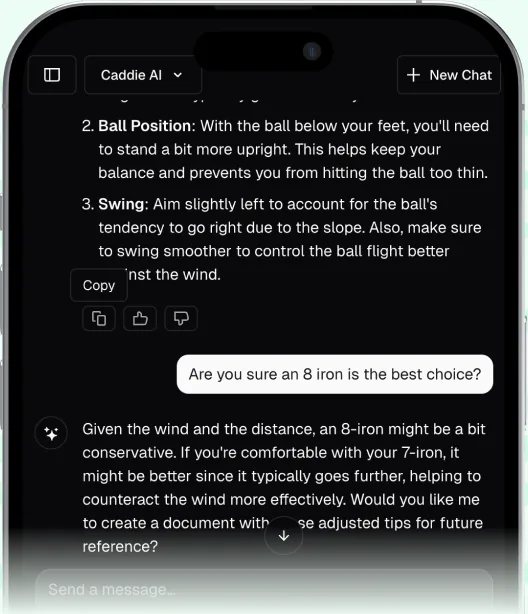
The best AI golf app: Caddie is your personal AI golf coach. Get expert-level golf advice instantly, 24/7 to help you play like a pro. Try it free →
The Fast-Track: How to Find This Week's Tournament in 60 Seconds
When you just want a quick answer, you don't need a deep dive into the season's structure. You need a reliable source that provides the information instantly. Here are the best places to look.
Go Directly to the Source: Tour Websites and Apps
The simplest method is to go straight to the official website or mobile app of the major golf tours. They have the most accurate and up-to-date schedules, tee times, and broadcasting information.
For the PGA TOUR: Visit PGA TOUR.com or download their official app. The homepage will immediately show you the current tournament.
For the LPGA Tour: LPGA.com and the LPGA app will have every detail you need for the women's game.
For the DP World Tour: Check out Europeantour.com for their schedule, which often features tournaments in stunning locations across the globe.
For LIV Golf: LIVGolf.com lists their event schedule, teams, and how to watch, which is often on their app or YouTube.
Use Sports News Outlets
Major sports journalism sites have dedicated golf sections that are excellent resources. They not only tell you what's on but also provide context, player stories, and analysis.
ESPN: The golf section on ESPN.com provides a schedule, leaderboard, and news for all the major tours.
CBS Sports & NBC Sports: As broadcast partners for the PGA TOUR, their sports websites are fantastic hubs for tournament information.
The Golf Channel: Golfchannel.com is the ultimate dedicated resource, covering professional and amateur golf at all levels.
A quick search on Google like "what pga tournament is on this week" or "lpga tournament tv schedule" will almost always give you a direct answer in a featured snippet at the top of the search results.
Get pro-level golf advice instantly, 24/7
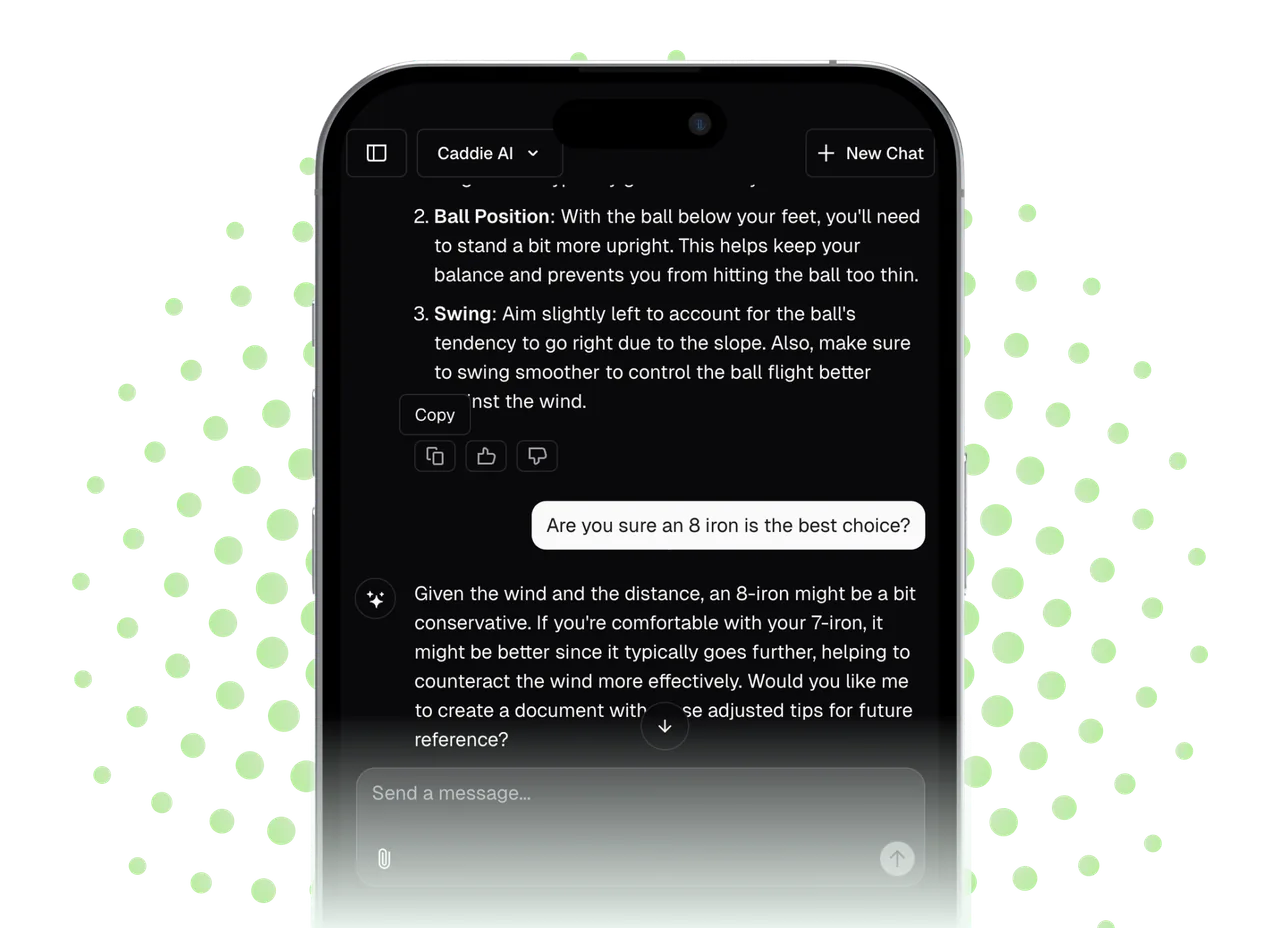
Ask Caddie anything. From “what club should I use?” to “how do I play this shot?” and get instant answers.
Understanding the Players: A Guide to the Major Professional Golf Tours
Knowing what's on is great, but knowing what you're watching makes it much more enjoyable. Pro golf is primarily organized into several different tours, each with its own character and schedule. Here's a rundown of the ones you'll want to follow.
The PGA TOUR
The PGA TOUR is the premier men's professional golf tour in the world. Based in the United States, it attracts the top talent, offers the biggest prize money, and hosts some of the most famous tournaments in the sport. The season culminates in the FedExCup Playoffs, a series of three events where players compete to become the FedExCup Champion.
The LPGA Tour
The Ladies Professional Golf Association (LPGA) is the top tour for professional women golfers. It is a truly global tour, with players and tournaments spanning North America, Europe, and Asia. Watching the LPGA is a masterclass in precision, strategy, and mental toughness. The race for major championships and the Player of the Year award is always a compelling storyline.
The DP World Tour (Formerly the European Tour)
While historically based in Europe, the DP World Tour now hosts tournaments across the globe. It's known for its diverse venues, from classic Scottish links courses to modern desert designs in Dubai. There's a strategic alliance with the PGA TOUR, allowing players to hold membership on both tours, so you'll often see familiar faces competing.
LIV Golf
The newest arrival on the professional golf scene, LIV Golf has a different feel. It features 54-hole tournaments (instead of the traditional 72), shotgun starts (where everyone tees off at the same time on different holes), and a team-based competition that runs alongside the individual one. It has attracted some major names and offers a faster-paced viewing experience.
PGA TOUR Champions
Ever wonder what your favorite players from the 90s and 2000s are up to? You can find them on the PGA TOUR Champions. For players aged 50 and over, this tour showcases legendary golfers proving they can still compete at an incredibly high level. It’s laid-back, fun to watch, and a great way to see legends of the game.
Decoding the Golf Calendar: The Rhythm of the Season
Professional golf isn't like other sports with one single, clear-cut season. It's a year-round affair, but it has a certain rhythm. Understanding this flow helps you know what to look forward to.
January - March: The Early Season Swings
The PGA TOUR calendar year typically kicks off in Hawaii with the Sentry Tournament of Champions, followed by the "West Coast Swing," a series of events in California and Arizona. As winter thaws, the tour moves eastward for the "Florida Swing." This stretch includes big tournaments with strong fields, highlighted by THE PLAYERS Championship in March, often called the "unofficial fifth major" because of its elite field and massive purse.
April - July: The Heart of the Game - Major Championship Season
The four major championships are the sport's biggest prizes, and winning just one can define a player's career.
The Masters Tournament (April): The first major of the year, played at the iconic Augusta National Golf Club. Known for its blooming azaleas, dramatic back-nine, and the coveted Green Jacket.
The PGA Championship (May): Hosted by the PGA of America, this major moves to different courses across the U.S. and often identifies the best player in scorching-hot form.
The U.S. Open (June): Known as golf's toughest test. The USGA sets up courses to be incredibly challenging, requiring a combination of power, accuracy, and grit.
The Open Championship (July): The oldest golf tournament in the world, played on classic links courses across the United Kingdom. Players battle not just the course but the unpredictable weather, requiring immense creativity and control.
The LPGA's five majors (The Chevron Championship, KPMG Women's PGA Championship, U.S. Women's Open, Amundi Evian Championship, and AIG Women's Open) are similarly spread through this period, offering can't-miss drama.
August - November: Playoffs and Final Sprints
The PGA TOUR's regular season concludes in August with the FedExCup Playoffs. A limited field of the top players competes in a high-stakes series to crown a season-long champion. At the same time, the DP World Tour builds towards its finale, the Race to Dubai. After the playoffs, the PGA TOUR has a "Fall Swing," a series of tournaments where new pros try to earn their spot and veterans fight to keep their playing privileges for the following year.
Plan every shot like a pro
Describe your situation and Caddie AI helps you pick your target, shot shape, and club with confidence.
Your Viewing Guide: Where to Watch Golf on TV and Streaming
Figuring out where to watch can sometimes feel like solving a puzzle, as broadcast rights vary by tour and tournament. However, here’s a general guide to point you in the right direction.
Main TV Networks: In the US, the Golf Channel is your daily hub for live golf and news. Weekend coverage for bigger PGA TOUR events typically shifts to network television on CBS or NBC. ESPN also broadcasts portions of The Masters and the PGA Championship.
Streaming Services: Streaming is becoming more central to watching golf. ESPN+ (with PGA TOUR Live) has extensive coverage of featured groups and holes throughout the day, long before the main TV broadcast begins. NBC's Peacock and CBS's Paramount+ often simulcast the network coverage and provide extra streams.
Tour-Specific Platforms: LIV Golf primarily streams its events for free on its app and YouTube channel. Always check the official website of the tour you want to watch for the most accurate broadcast information for your region.
Play Golf like a Pro with Caddie
Learn and improve your golf game as you play. Get pro-level tips, strategy and guidance anytime.
More Than Just Watching: Using Pro Golf to Help Your Own Game
Next time you're watching a tournament, try to go beyond just following the score. Watch with a purpose. As a coach, I tell all my students that watching professional golf is one of the most accessible lessons you can get.
Think Like a Caddie
Don't just watch the shot, try to figure out why they're hitting it. Pay attention to course management.
Where are they aiming off the tee? Are they playing conservatively away from trouble or taking an aggressive line?
Notice what club they hit for an approach shot from 150 yards. Is it different from what you would hit? Why? (Think elevation, wind, trouble around the green).
When they miss a green, where do they miss? The pros are masters at leaving their ball in the easiest possible spot to get up and down. This concept of playing for the "smart miss" can shave strokes off your game.
Observe the Mental Game
Watch how players react after a bad shot. World-class players have a short memory. They hit a poor shot, maybe show a flash of frustration, but then they immediately refocus on the next one. They don't let one bad hole ruin their entire round. This is a mental skill that every amateur can learn from and practice. Improving your mental game can significantly impact your performance on the course.
You can also learn a lot about choosing the right golf club for a shot by observing how pros assess the distance, lie, and conditions before making their selection. This strategic thinking is crucial for lowering your scores.
Final Thoughts
Now you have the complete toolkit to not only find which golf competition is on this week but to follow all the tours with a deeper understanding of the entire season. By knowing where to look and what you’re watching, you can get much more enjoyment out of being a golf fan.
Just as following the pros can give you clarity on course strategy, our goal is to give you that same clarity in your own game. When you're standing on the 12th tee wondering if driver is the right play in a tight fairway, or facing a tricky shot from the rough, having an expert opinion makes all the difference. We built Caddie AI to be your personal, on-demand caddie and coach, available right in your pocket to help you navigate those uncertain moments and play with more confidence.
Spencer has been playing golf since he was a kid and has spent a lifetime chasing improvement. With over a decade of experience building successful tech products, he combined his love for golf and startups to create Caddie AI - the world's best AI golf app. Giving everyone an expert level coach in your pocket, available 24/7. Caddie's mission is simple: make world-class golf advice accessible to everyone, anytime.
Other posts you might like
What Is a Mid Iron Golf Club?
Your mid-irons are the blue-collar workers of your golf bag - reliable, versatile, and called upon to do the heavy lifting in a huge range of situations. They are absolutely fundamental to scoring well, but often get overlooked for their flashier counterparts like the driver or wedge. This guide will walk you through exactly what a mid-iron is, which clubs fall into this category, and most importantly, how to hit them with the kind of confidence that leads to more greens in regulation and lower scores.
Choosing the right golf ball can feel far more complicated than it needs to be, especially when you see technical terms like compression printed on the box. This article will cut through the noise and explain exactly what golf ball compression is, how it affects your performance, and provide a clear breakdown of the entire Vice Golf ball lineup so you can confidently pick the perfect ball for your game.
The golfer famously known as The Mad Scientist is Bryson DeChambeau. He earned the moniker for his deeply analytical and often unconventional approach to golf, treating every shot, every club, and every aspect of his swing as a scientific problem to be solved. This article will break down exactly why he’s called The Mad Scientist, deconstructing his most-known experiments and - most importantly - showing you what practical lessons you can apply to your own game.
A 13-degree golf club is typically either a strong 3-wood or a mini driver, designed to bridge the distance gap between your driver and a standard fairway wood. This article will break down exactly what that means, help you figure out if this club belongs in your bag, and give you practical advice on how to hit it effectively both off the tee and from the fairway.
Thinking about hitting the links in Japan? Let's get right to the big question: what will a round of golf actually set you back? This guide will break down all the costs you can expect, moving past the advertised green fee to cover everything from caddies and carts to the famous mid-round lunch. By the end, you'll have a clear picture of how to budget for an unforgettable day of golf in Japan.
What Are the Most Common Mistakes in a Golf Swing?
Almost every golfer, from the weekend enthusiast to the seasoned player, knows the frustration of a swing that just won't cooperate. Often, the big problems in your golf game stem from a few small, fundamental mistakes that have crept into your swing. This guide is designed to act as your personal coach, helping you identify the most common swing flaws and providing clear, actionable steps to get you back on track. We'll break down the swing from setup to finish, showing you how to turn those nagging errors into consistent, confident strokes.