Finding an open tee time in Dallas shouldn't feel more challenging than a downhill, double-breaking putt. This guide cuts straight to what you need to know, highlighting the best public-access golf courses in Dallas and the surrounding area that are ready for you to play. We’ll cover everything from historic municipal tracks to premium daily-fee experiences, giving you the information you need to book your next round.
The best AI golf app: Caddie is your personal AI golf coach. Get expert-level golf advice instantly, 24/7 to help you play like a pro. Try it free →
Top-Tier Public Golf Courses Within Dallas
You don’t have to drive far to find exceptional golf. Dallas is home to several outstanding municipal courses that offer a fantastic combination of challenge, history, and value. These aren't your average city courses - they are beloved local institutions with dedicated followings.
Stevens Park Golf Course
Often called "The Little Augusta" of Dallas, Stevens Park surprises many first-time players. Located in the Kessler Park neighborhood, this course underwent a massive renovation nearly a decade ago, transforming it from a simple, short layout into a dynamic and strategic test. You’ll find dramatic elevation changes, tree-lined fairways, and tricky, well-bunkered green complexes. It's one of the most scenic and entertaining rounds you can have in the city.
Coach's Tip for Stevens Park:
Accuracy matters more than distance here. The course isn't long, but stray shots will find trees or awkward side-hill lies. On approaches, pay close attention to the pin position. Many greens have multiple tiers, and being on the wrong level can easily lead to a three-putt. Aim for the middle of the green, take your two-putt par, and you’ll walk away smiling.
Tenison Park Golf Course (Highlands &, Glen)
Tenison Park offers two distinct 18-hole experiences, making it a hub of Dallas golf. The two courses are located right next to each other, but they feel like they belong in different worlds.
The Glen Course: This is a classic, traditional layout, originally built in 1924. It’s a very walkable course with relatively flat terrain and mature trees. It’s perfect for a relaxed round, forgiving off the tee, and a great place to work on your game in a friendly atmosphere. It was even a frequent stomping ground for legends like Lee Trevino and Byron Nelson.
The Highlands Course: Re-designed in 2001, the Highlands is a completely different beast. It’s a modern, links-style track with wide, undulating fairways, massive greens, and a sterner challenge. Water comes into play on several holes, and the conditioning is typically a step above most municipal courses. It's longer, tougher, and asks more questions of your golf game.
Coach's Tip for Tenison Park:
Choose the course that fits the goal for your day. If you want a fun, low-stress round with friends, pick The Glen. If you’re looking to truly test your skills and course management, book a time at The Highlands. At the Highlands, be wary of the subtle breaks on the massive greens, what looks flat often has a slight, deceptive tilt towards White Rock Creek.
Cedar Crest Golf Course
For the golf history buffs, Cedar Crest is a must-play. Designed by the legendary A.W. Tillinghast (the architect behind Winged Foot and Baltusrol), this course hosted the 1927 PGA Championship, where Walter Hagen claimed the title. Today, it’s a beautifully maintained municipal course that retains much of its classic charm. It features rolling hills, impressive Tillinghast green complexes, and a championship pedigree you can feel as you walk the fairways.
Coach's Tip for Cedar Crest:
Cedar Crest is a perfect example of how a rotational swing produces power. You don't need to swing out of your shoes here. Instead, focus on a smooth, full turn in your backswing and an athletic unwinding through the ball. The course design rewards good tempo and ball placement, not just brute force. Pay attention to leaving your ball below the pin on your approach shots, Tillinghast greens are famous for their back-to-front slopes.
Get pro-level golf advice instantly, 24/7
Ask Caddie anything. From “what club should I use?” to “how do I play this shot?” and get instant answers.
If you're willing to venture a little outside the Dallas city limits, you'll find a collection of premium "daily-fee" courses. These are available to the public but often offer resort-style amenities, championship-level layouts, and pristine conditions.
Cowboys Golf Club (Grapevine)
As the world's first NFL-themed golf club, Cowboys Golf Club offers a truly unique experience. While you'll see the iconic star logo throughout the property, the focus is squarely on providing a first-class golf experience. The holes ramble through a heavily wooded and hilly landscape, featuring gorgeous water features and immaculate conditioning. The all-inclusive fee (which includes your round, cart, range balls, and all on-course food and non-alcoholic drinks) makes a day here feel like a special event.
Coach's Tip for Cowboys Golf Club:
The key here is managing the elevation changes. You'll face many shots where the ball is significantly above or below your feet, and several uphill or downhill approaches. For downhill shots, take less club and focus on a balanced finish. On uphill approaches, take one extra club and remember the ball will naturally fly a bit straighter. Do not let the impressive scenery distract you from the task at hand.
Texas Star Golf Course (Euless)
Consistently ranked among the best public courses in Texas, Texas Star is a collaboration between the city of Euless and Keith Foster, a highly respected golf architect. The layout winds through 275 acres of natural terrain, featuring tall oaks, winding creeks, and beautiful stacked-rock retaining walls. It feels far more remote and tranquil than a course located right in the heart of the metroplex. It’s a fantastic challenge that never feels unfair.
Coach's Tip for Texas Star:
Texas Star is a "second-shot" golf course. While driving the ball well is important, setting up the right angles into the greens is what leads to scoring. Before you even pull a club on the tee, think backwards from the green. Where is the safest part of the green? What side of the fairway gives me the best angle to that point? Playing with this kind of strategic intent will save you several strokes.
The Tribute at The Colony
Ever wanted to play the famous courses of Scotland without booking a transatlantic flight? The Tribute offers just that. This incredible layout authentically recreates some of the most famous and beloved holes from legendary Scottish links courses like St. Andrews, Royal Troon, and Carnoustie. With wind-swept, treeless fairways, deep pot bunkers, and massive, rolling greens, it's a true links golf experience on the shores of Lake Lewisville.
Coach's Tip for The Tribute:
Embrace the ground game! Links golf is about imagination. This is not the place for automatic, high-flying approach shots. Practice hitting low, running shots (the "punch shot") that can skip up onto firm greens. Use the contours of the fairways to your advantage. A shot landing 30 yards short of the green could be the perfect play, letting the ball roll the rest of the way like it was meant to.
Plan every shot like a pro
Describe your situation and Caddie AI helps you pick your target, shot shape, and club with confidence.
Booking a round at these Dallas-area courses is straightforward once you know the process. Here’s a quick overview.
For Dallas City Municipal Courses
The city's three primary courses (Stevens Park, Tenison, and Cedar Crest) all use the same online booking portal. You can book tee times up to a week in advance. Weekend and prime morning times fill up fast, so be ready to book exactly seven days out if you have a specific time in mind. Create an account on their booking site ahead of time so you're ready to go.
For Daily-Fee and Other Public Courses
Courses like Cowboys, Texas Star, and The Tribute handle their reservations through their own websites. Booking windows are usually more generous, sometimes allowing you to secure a tee time weeks or even a month in advance. You can also find them on various third-party tee time apps, which can be useful for seeing available times across multiple courses at once.
A Quick Tip for Saving Money &, Avoiding Crowds
If your schedule is flexible, look for "twilight" or "super-twilight" rates. These discounted tee times typically start 4-5 hours before sunset. You might not finish all 18 holes, but you'll play in beautiful evening light with far fewer people on the course. It's the perfect opportunity for a relaxed practice round.
Play Golf like a Pro with Caddie
Learn and improve your golf game as you play. Get pro-level tips, strategy and guidance anytime.
From the historic and approachable city courses to the spectacular premium layouts just beyond the city limits, finding a great golf course open in Dallas is easy if you know where to look. Each one offers a unique challenge and experience, providing something for every golfer looking to enjoy a day on the links in North Texas.
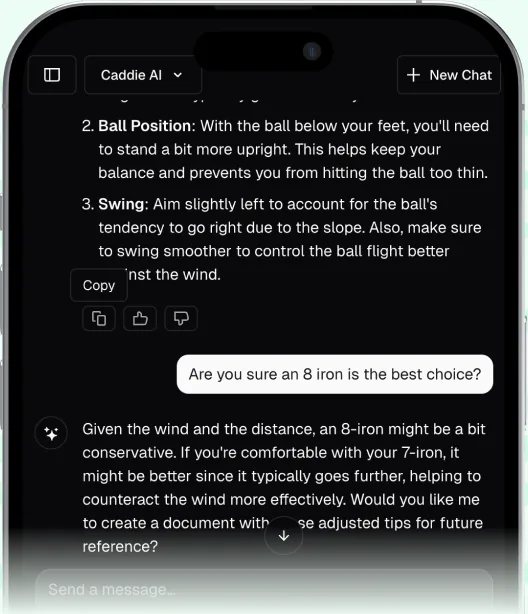
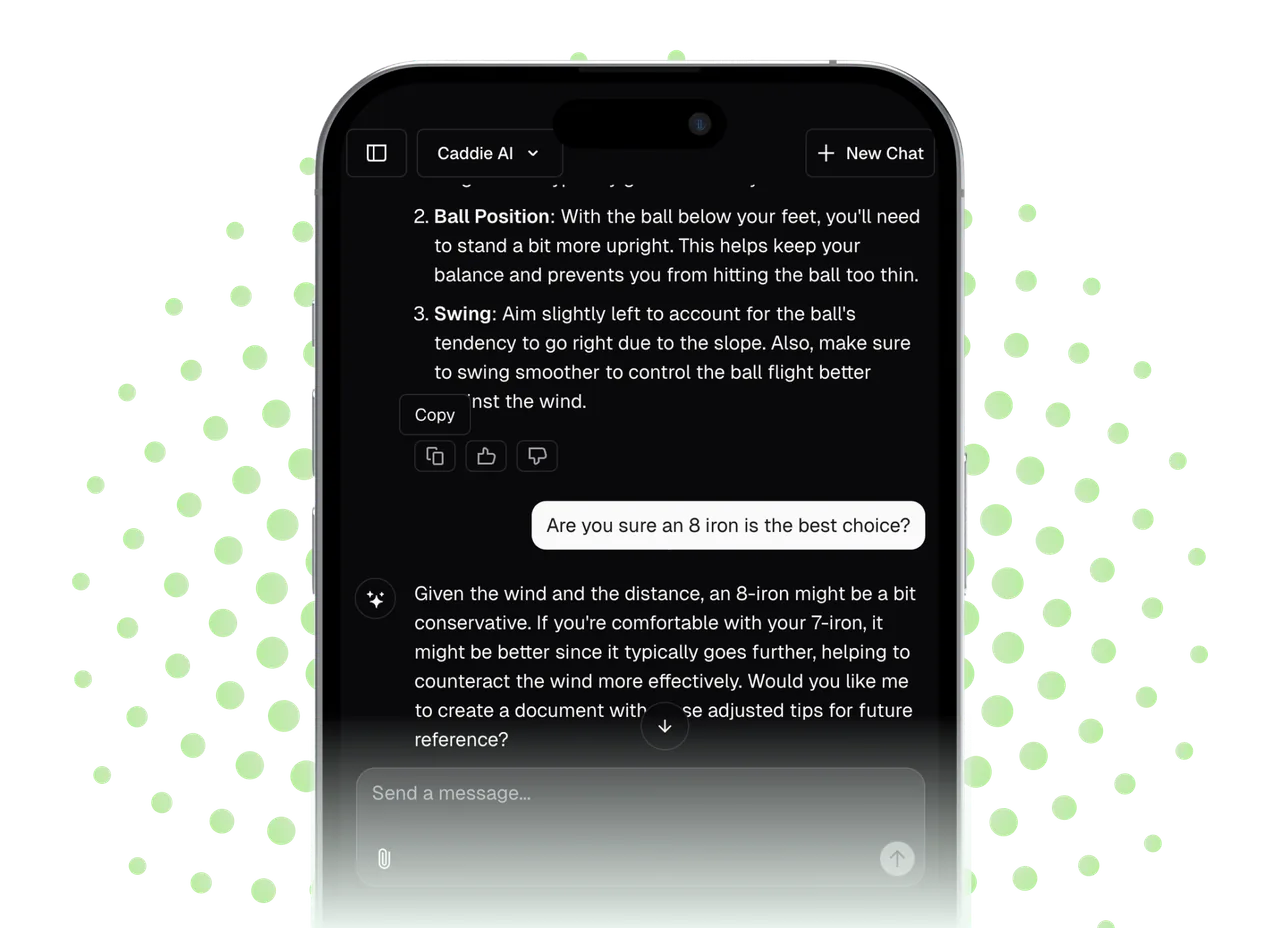
And of course, getting on the course is just the beginning, playing it with confidence is the real goal. We believe every golfer should feel empowered to make smart decisions, which is why we created Caddie AI. It gives you on-demand access to a golf expert right in your pocket. Whether you're standing on an unfamiliar tee trying to craft a strategy or stuck with a tough lie in the rough - you can even send a photo - it provides a simple, clear plan so you can commit to every swing and play a smarter, more enjoyable round.
Spencer has been playing golf since he was a kid and has spent a lifetime chasing improvement. With over a decade of experience building successful tech products, he combined his love for golf and startups to create Caddie AI - the world's best AI golf app. Giving everyone an expert level coach in your pocket, available 24/7. Caddie's mission is simple: make world-class golf advice accessible to everyone, anytime.
Other posts you might like
What Soap to Use for Golf Clubs?
Choosing the right soap to clean your golf clubs is far simpler than you might think, but using the wrong one can cause serious damage. This guide will show you exactly what to use, what to avoid, and the proper technique to get your clubs shining and performing their best, from the iron faces to the grips.
Staring into your golf bag can feel like looking at a set of complicated tools, especially when you get to the big ones with bulky headcovers. You know they're for hitting the ball far, but what exactly are they called and what's the difference between them? This guide will walk you through what those longer golf clubs are called, what they do, and how you can use them to hit longer, smarter shots.
If you've followed professional golf for even a little while, you've heard an announcer mention them as a player’s highlight: He’s a two-time World Golf Championships winner. But what exactly are the 4 World Golf Championships? These tournaments sit on a special tier just below the four majors, designed to bring the very best players from across the globe together to compete for massive purses and prestigious titles.
Feeling stuck as your handicap number refuses to budge is one of the most maddening experiences in a golfer's life. You put in the time at the range, you play every weekend, but the needle just doesn't move. This article will break down the real, often overlooked reasons you've hit a plateau and provide clear, actionable steps to get your handicap moving in the right direction again.
Watch any professional golf tournament, and you'll see it a hundred times a day. A golfer lines up a putt, marks their ball, reads the green, and then, right before they settle into their stance, they perform a small ritual: a quick, deliberate wipe of the putter face. It seems simple, maybe even obsessive, but this tiny action is one of the most important habits a golfer can develop. This article breaks down exactly why golfers wipe their putters, from the science of a pure roll to the psychology of a confident stroke, so you can understand why this should be part of your routine, too.
The single most common question I hear from golfers picking up a club for the first time isn't about rules or etiquette - it's How far am I <em>supposed</em> to hit it? This article will give you realistic distance numbers to expect as a beginner, explain what truly generates that distance, and provide simple, actionable steps to start hitting the ball farther and more consistently.