Ever find yourself wanting to play in a local scramble or a charity outing, but your usual foursome falls apart at the last minute? This is where understanding the term 'stag' in golf can turn a potential missed opportunity into a fantastic day on the course. We’ll cover exactly what it means to go stag, why it's a great option for any golfer, and give you a practical, step-by-step guide to doing it successfully so you can play more golf and meet new people.
The best AI golf app: Caddie is your personal AI golf coach. Get expert-level golf advice instantly, 24/7 to help you play like a pro. Try it free →
What Exactly Is a 'Stag' in Golf?
In golf, playing as a "stag" simply means you are a single golfer signing up for or attending a planned golf event, like a tournament, a corporate outing, or a member-guest day, without a pre-arranged partner or team. You are essentially an individual participant whom the event organizers will place with a group that needs an extra player.
Think of it as being a free agent. While a regular "single" or "walk-on" might just show up at a course hoping to get squeezed in between tee times, a stag proactively joins a structured event. The term itself likely borrows from the social concept of going "stag" to a party - attending solo. In the golf world, it carries a sense of an independent player willing to mix and mingle.
Organizers often welcome stags because they’re the perfect solution for filling out incomplete groups of two or three, ensuring a full field and smooth logistics for the tournament.
Get pro-level golf advice instantly, 24/7
Ask Caddie anything. From “what club should I use?” to “how do I play this shot?” and get instant answers.
The reasons for going stag are as varied as the golfers themselves, but they all boil down to a simple desire to get on the course and play. As a coach, I've seen countless players use this avenue to grow their love for the game.
Scheduling Conflicts: This is the most common reason. Your regular golf buddies have work, family commitments, or just can't make the event date. Instead of sitting it out, you decide to sign up on your own.
New to the Area: If you've just relocated, going stag is one of the single best ways to meet other golfers in your community. It's an instant entry into the local golf scene.
Love of the Event: Sometimes, a specific charity tournament or an iconic local scramble is just too good to miss. If your goal is to support the cause or experience the event, you won't let the lack of a partner stop you.
Social and Business Networking: Golf courses are fantastic places to make connections. Playing as a stag intentionally puts you in a group with three strangers for several hours, creating a perfect environment for building new professional or social relationships.
Ultimate Flexibility: Playing as a stag means you operate on your own schedule. You see an event you like, you sign up. There’s no need to coordinate with three other people to get everyone on the same page.
The Pros and Cons of Going Stag
Deciding to show up to an event alone can feel a bit daunting, but the potential rewards often far outweigh any initial nervousness. Like any decision in golf, it helps to understand the potential outcomes.
The Upside of Playing Solo
Stepping out of your comfort zone almost always leads to positive experiences. Playing as a stag can significantly enhance your enjoyment of the sport.
You Will Meet New People: This is the biggest benefit. You're guaranteed to leave the course knowing at least a few more golfers than when you arrived. I've seen players find their future regular foursome by taking a chance and going stag.
Experience Different Perspectives: Playing with the same group all the time can lead to stagnant thinking. New partners will show you different ways to approach a hole, introduce you to different pre-shot routines, and maybe even teach you a new side game.
Zero Group Baggage: You aren't tied to the established dynamics of your regular group. There are no preconceived notions about your game, no friendly rivalries, and no pressure to live up to past performances. It can be freeing.
It Builds Confidence: Successfully navigating a new social situation and playing a round of golf with strangers is a confidence booster, both on and off the course.
The Potential Downsides to Consider
While often a great experience, it’s good to go in with your eyes open. A little awareness can help you navigate any potential bumps in the road.
The Luck of the Draw: The biggest variable is your assigned group. You might get paired with golfers who are far more or less serious than you, have a vastly different skill level, or just don’t have a compatible personality. Most of the time it works out, but sometimes the chemistry just isn't there.
The "Odd One Out" Feeling: If you're placed with three players who already know each other well, it can take some effort to break into their existing rapport and inside jokes. It may feel a little like being the new kid in school for the first few holes.
Pace of Play: You are completely at the mercy of your group's pace. If they are slow, you will be slow. If they are fast, you may feel rushed.
The good news is that with the right attitude and approach, you can single-handedly mitigate almost all of these potential downsides.
Plan every shot like a pro
Describe your situation and Caddie AI helps you pick your target, shot shape, and club with confidence.
Playing as a stag isn't just about showing up, it’s about making it a great experience for yourself and for the people you get paired with. As your coach, here’s my playbook for making every stag round a success.
Step 1: The Pre-Round Preparation
A little work beforehand can make a world of difference on the day of the event.
Give a Heads-Up: When you register, let the tournament organizer know you’re a single. You can say something as simple as, “I’m signing up as a single, just wanted to let you know. Happy to be placed wherever you need me.” This makes their job easier and shows you’re easygoing.
Ask About the Vibe: Inquire about the format (scramble, best ball, etc.) and the general tone. Is it super competitive or more of a fun, casual day? Knowing this helps you set your expectations.
Look the Part:Adhere to the course’s dress code. When you look like a golfer that belongs there, you’ll feel more confident, and it makes a great first impression.
Step 2: Arriving and Making Contact
Your first 15 minutes at the course set the tone for the entire day.
Be Early, Not Just on Time: Arriving 45-60 minutes before the shotgun start gives you ample time to check in without rushing, hit a few balls on the range, and roll some putts. It shows you’re organized and respectful of the schedule.
The Confident Introduction: When you find your assigned cart or meet your partners, make direct eye contact, smile, and offer a firm handshake. "Hi, I'm Mike. I'm the stag joining you today. Really looking forward to it." This instantly breaks the ice and establishes you as a friendly, welcome addition.
Be Ready to Go: Have everything you need organized: tees, balls, ball marker, glove. Being prepared shows you respect the game and your partners' time.
Step 3: During the Round – Being a Great Playing Partner
This is where you turn a group of strangers into your team for the day. Your conduct is everything.
Be Inquisitive and Positive: Ask questions! "Do you guys play here often?" "Where are you from?" People generally enjoy talking about themselves. Above all, be the positive voice. Compliment good shots enthusiastically: "Great drive!" or "Fantastic putt!" A little encouragement goes a long, long way.
Master Golf Etiquette: This is non-negotiable. Rake bunkers properly, fix your divots and pitch marks (and maybe one other!), stand still and quiet when others are hitting, and never walk in someone’s putting line. Immaculate etiquette tells your group everything they need to know about you as a golfer.
Manage Your Own Game and Emotions: Everyone hits bad shots. Don't audibly berate yourself or dwell on your mistakes. Your partners are looking for a pleasant companion, not someone to console. Keep a level head and move on to the next shot.
Keep Up the Pace: Be ready to hit when it's your turn. Figure out your yardage and what club you're considering while you walk to your ball. Being efficient with your time is one of the most respected qualities in a playing partner.
Play Golf like a Pro with Caddie
Learn and improve your golf game as you play. Get pro-level tips, strategy and guidance anytime.
The round isn't over when the last putt drops. What you do next can solidify a great day into lasting connections.
Don't Rush Off: Unless you have a prior commitment, stick around for the post-round meal or awards ceremony. This is when the B.S. and laughs really start. Skipping out sends the message that you were just there to play and nothing more.
Offer to Exchange Info: If you genuinely enjoyed playing with the group, make the offer. A simple, "I had a great time today, guys. If you're ever looking for a fourth, I'd love to play with you again," is a perfect way to do it.
Thank the People Who Matter: Find the tournament organizers and thank them for putting on a great event. A little gratitude is always remembered.
Final Thoughts
Playing as a stag is one of the most underrated strategies for any golfer looking to expand their network and play more rounds. It’s a chance to stop relying on others’ schedules and take control of your own golf life, turning you into a more confident and connected player in the process.
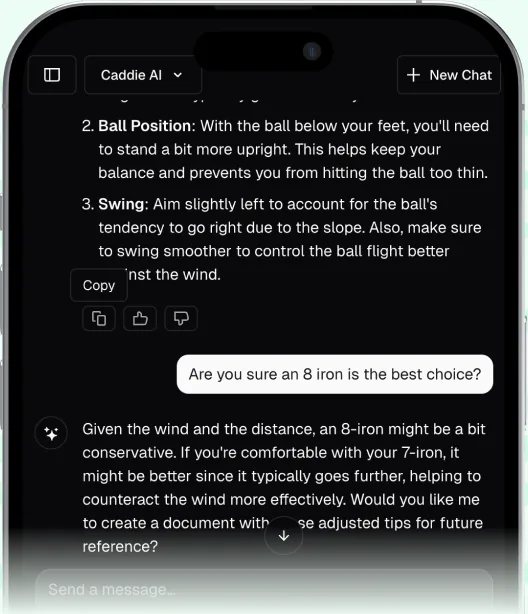
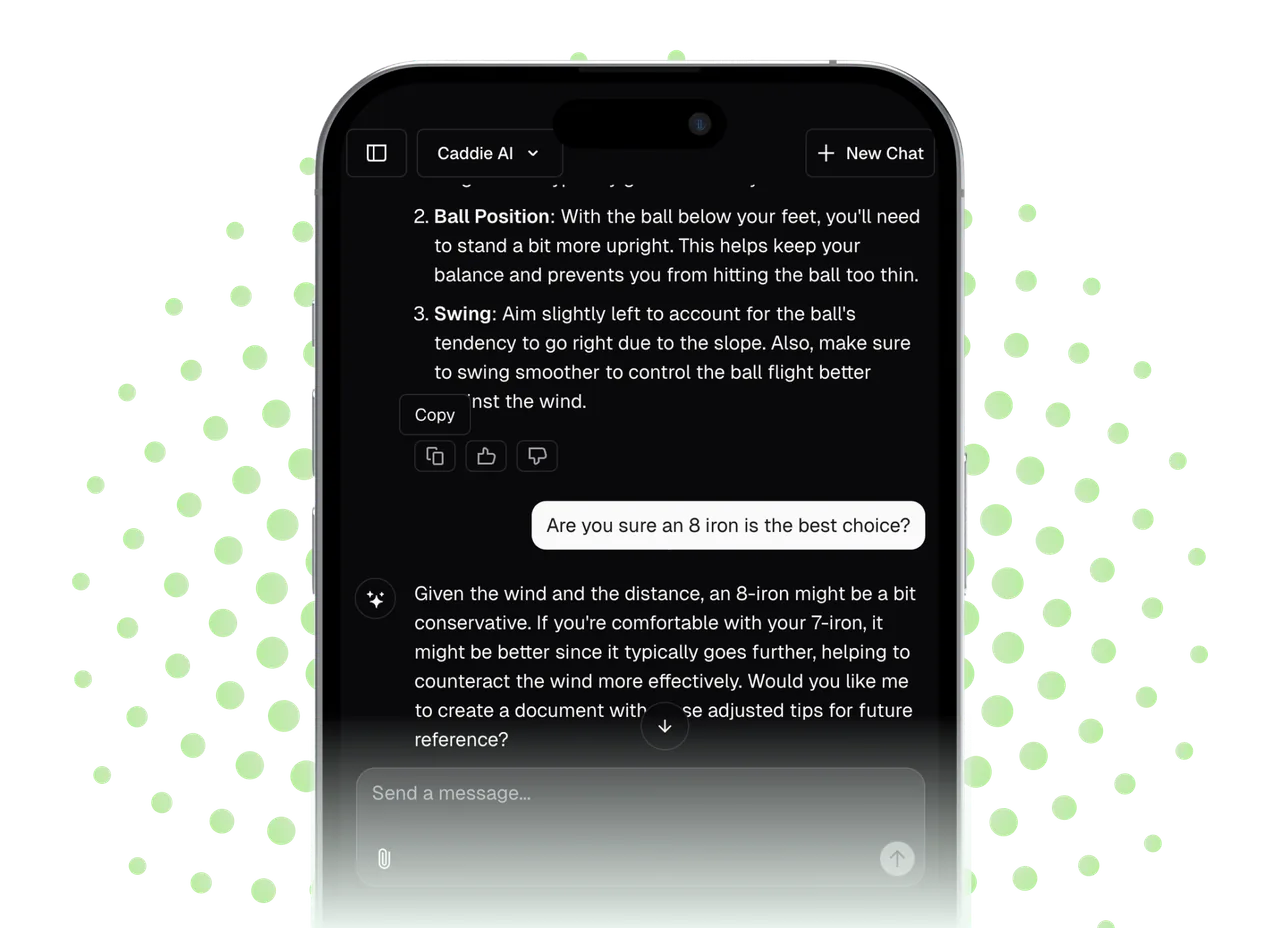
Showing up to an event alone can be intimidating, but a little preparation goes a long way. This is where having confidence in your own on-course decisions becomes so important. At Caddie AI, we help you with exactly that. When you’re paired with new players and feeling some pressure to hit good shots, our AI caddie can help you choose the right club and the right strategy, giving you the confirmation you need to swing with conviction. It’s like having a trusted coach in your pocket, removing the guesswork so you can focus on playing well and enjoying the company.
Spencer has been playing golf since he was a kid and has spent a lifetime chasing improvement. With over a decade of experience building successful tech products, he combined his love for golf and startups to create Caddie AI - the world's best AI golf app. Giving everyone an expert level coach in your pocket, available 24/7. Caddie's mission is simple: make world-class golf advice accessible to everyone, anytime.
Other posts you might like
What Is the Skins Format in Golf?
A skins game turns a friendly round of golf into a high-stakes, hole-by-hole competition where every shot can mean winning cash, bragging rights, or both. It’s one of the most exciting and popular betting formats in the sport, loved by weekend players and PGA Tour pros alike. This guide will walk you through exactly what a skins game is, how a skins game scoring works, how to set one up, and the strategies you need to know to walk away a winner.
Watching your golf ball start on a decent line only to take a sharp, uncontrolled turn to the left is one of the most frustrating feelings in golf. That destructive left hook not only misses your target, but it also tends to run forever, finding the deepest trouble on the course. This guide will break down the exact reasons why you're hitting that dreaded hook, from your grip to your body rotation, and provide straightforward, actionable steps to straighten out your ball flight for good.
Understanding where your game stands is the first step toward shooting lower scores, and handicap categories offer a perfect roadmap for that journey. This guide will break down the five main handicap categories in golf, explaining what each level means for your game and providing actionable advice to help you reach the next milestone.
Most golfers are obsessed with backspin, chasing those crisp iron shots that land softly and bite on the green. But what about its opposite, topspin? While often seen as the villain behind those dreaded thin or topped shots that never leave the ground, understanding topspin - when it happens, why it happens, and even how to use it - is a massive step toward better golf. This guide will break down what topspin is, show you how to eliminate the bad kind, and reveal how you can use a touch of it to your advantage.
When you see a tour pro’s name on the leaderboard next to a big, red -9, a few things probably come to mind: awe, maybe a little jealousy, and a lot of questions. Seeing a score like negative nine means you are watching someone play an almost perfect round of golf. This article will explain exactly what -9 means, how it’s calculated, what it takes to achieve such an incredible score, and why it's a benchmark for exceptional play.
If you've ever glanced at a PGA TOUR leaderboard on a weekend, you’ve likely seen a jumble of letters next to a player's name instead of a score. Next to a name like Tiger Woods or Jon Rahm, you might see WD, DQ, or the slightly more unusual RTD. While these may seem confusing, each one tells a very specific story about that player's tournament. Today, we're going to break down precisely what RTD means in a golf context, why it happens, and how it's different from all the other alphabetical annotations you see on a scoreboard.