The truest golden rule in golf isn’t found in the official rulebook, but in the sport’s deeply held traditions: leave the golf course in better condition than you found it. This simple philosophy is the foundation of golf etiquette and sportsmanship, shaping how we care for the course, interact with fellow players, and honor the game. This guide will walk you through the practical, on-course actions that bring this principle to life, turning you into the kind of golfer everyone wants to play with.
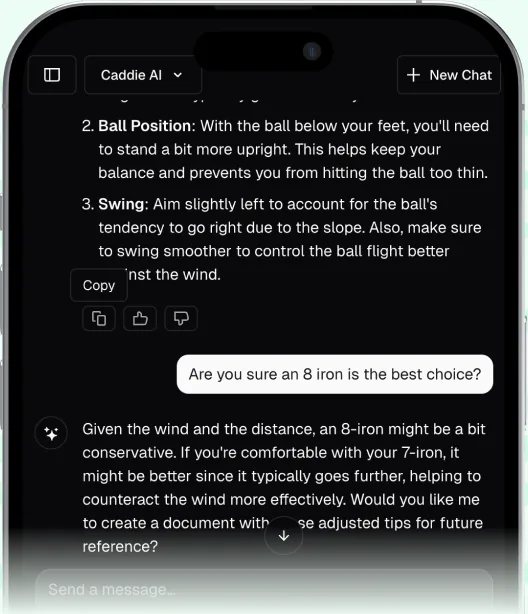
The best AI golf app: Caddie is your personal AI golf coach. Get expert-level golf advice instantly, 24/7 to help you play like a pro. Try it free →
What Is a “Golden Rule” in Golf? Understanding the Spirit of the Game
While the unofficial golden rule focuses on course stewardship, some golfers might point to a literal rule as the "golden" one: play the course as you find it and the ball as it lies. This is fundamental to the challenge of golf - you must handle the situation you’re given, good or bad, without improving your lie. Both concepts are pillars of the game, one governing fair play and the other governing respect for the playing field.
However, it is the unwritten rule of leaving the course better that defines a golfer’s character. It’s a proactive mindset that says, "I am a guest here, and I will show my appreciation by leaving a better experience for the player behind me." Embracing this code of conduct not only preserves the quality of the course but also enhances the enjoyment for everyone.
Get pro-level golf advice instantly, 24/7
Ask Caddie anything. From “what club should I use?” to “how do I play this shot?” and get instant answers.
The Core Principle: Leave It Better Than You Found It
Applying the golden rule isn't complicated, it just requires a little mindfulness during your round. Let's break down exactly what you should be doing from the tee box to the green to uphold this important standard.
On the Tee Box
Your round starts here, and so does your responsibility. The teeing ground experiences a lot of concentrated foot traffic and swings, so being mindful here sets a positive tone for the entire hole.
Fill Your Divots: Many courses place sand/seed mixture bottles or bins on the tee boxes. If you take a chunk of turf (a divot) with your practice swing or tee shot, use the provided mixture to fill the hole level with the ground. This helps the grass regenerate quickly.
Pick Up Your Tees: Always pick up your tee after you hit, even if it's broken. Leaving scattered, broken tees clutters the tee box and can look unsightly. You can discard it at the next trash can.
Minimize Practice Divots: It's fine to take a practice swing, but try not to scalp the teeing ground. Brush the grass instead of taking a full-pelt swing that removes turf before you’ve even teed off.
Be Quiet and Still: Respect your playing partners. Once they address the ball, stop moving and talking. Find a spot where you are out of their peripheral vision and stay still until they have completed their swing.
In the Fairway
Cruising down the middle of the fairway after a great drive is one of golf's best feelings. Finding your ball in a dinner-plate-sized hole from a previous player's unrepaired divot is one of the worst. Don't be the person who ruins that walk for someone else.
Assess the Divot: Did your swing create a neat, solid pelt of turf? If the piece of sod is mostly intact, it's best to replace it. If the divot exploded into small pieces, it’s better to use the sand/seed mixture from your cart.
Replace the Pelt: If you have a solid piece of turf, pick it up, place it back into the hole it came from (like a puzzle piece), and gently but firmly step on it. This presses the roots back into the soil and gives it the best chance of re-growing.
Fill with Sand: If you're using sand, pour it into the divot until it's level with the surrounding turf. Scuff it smooth with your shoe so you don't leave a mound, which can damage the mowers. The sand protects the soil and provides a base for new grass to grow.
This simple act shows profound respect for the golf course grounds crew and the players behind you.
Surrounding the Green
As you approach the scoring zone, your duties increase. The areas around and on the putting surface are the most delicate parts of the course and require extra care.
Mastering the Bunker Rake (Yes, There's a Right Way)
Bunkers are hazards, but your ball ending up in another player’s footprint is an unnecessary penalty. Learning proper bunker etiquette is a non-negotiable skill for any golfer.
Enter and Exit Low: Always walk into a bunker from its lowest point. Walking down a steep, high-walled face can damage the fragile lip of the bunker and cause it to collapse over time.
Rake Everything: After your shot, carefully rake over the depression you made, as well as every footprint you left behind. Your goal is to leave a perfectly smooth surface.
The Proper Technique: A good rake stroke is a push-and-pull motion. Start by pushing the sand away from you to fill in deep spots, then gently pull the rake back toward you to create a smooth, consistent finish. Avoid just pulling sand, as this can create ridges.
Rake Placement: When finished, place the rake outside the bunker, parallel to the direction of play. Leaving a rake in the bunker can unfairly stop a well-played shot or send it careening into a terrible position.
The Most Important 15 Seconds of Your Round
Fixing ball marks - the small crater left when a ball lands on the green - is perhaps the most significant contribution you can make to course health. An unrepaired mark can harm the green for weeks, while a properly repaired one can heal within a day.
Here’s the correct way to fix one using a divot tool:
Insert the fork-like prongs of your tool into the turf around the sides of the depression.
Gently push the turf from the outside inward toward the center. This action carefully stretches the healthy turf over the hole.
Do NOT pull up from the bottom. So many golfers make this mistake. Trying to lift the soil up from the bottom of the mark tears the roots and kills the grass, leaving a dead spot.
Once you've pushed the sides in, gently tap down the repaired spot with your putter to smooth it out.
Make it your personal policy to fix your own ball mark plus one other on every green. If every golfer did this, putting surfaces would be immaculate.
Plan every shot like a pro
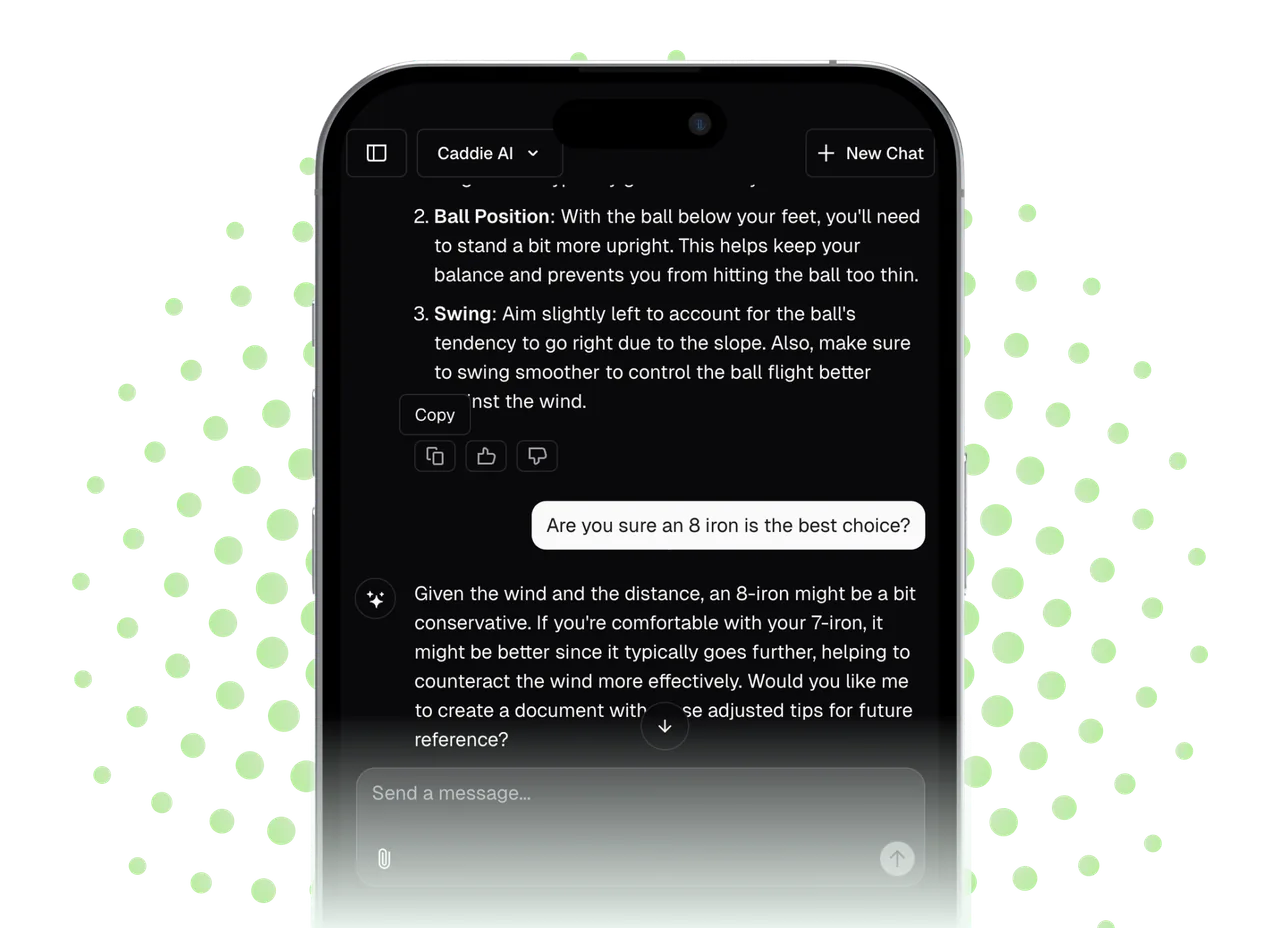
Describe your situation and Caddie AI helps you pick your target, shot shape, and club with confidence.
Beyond Course Care: The Golden Rule for Player Interaction
The spirit of the golden rule extends beyond the agronomy of the course, it applies just as much to how you interact with others. This "treat others as you would want to be treated" mindset is all about courtesy, safety, and pace.
Pace of Play: The #1 Courtesy
Nothing sours a round of golf quicker than slow play. Keeping up a good pace shows respect for everyone on the course, not just your group. This doesn’t mean you need to rush your shots, but you should always be efficient. This is known as "ready golf."
Play when you're ready, as long as it's safe to do so (the person furthest from the hole isn't always the first one to hit).
While others are hitting, determine your own yardage and club selection so you are ready when it's your turn.
Leave your golf bag or cart strategically between the green you just played and the next tee box to avoid wasted walking.
Safety and Awareness
A golf course is a field of projectiles. The ultimate show of respect for others is ensuring their physical safety.
Be aware of your surroundings before you swing. Are the players in front of you out of range? Is the grounds crew clear?
If your shot goes sailing toward an unsuspecting person, even on another fairway, yell "FORE!" loudly and clearly. Don't be timid. A moment of embarrassment is far better than someone getting injured.
Respecting the Line
On the putting green, every player has an imaginary "line" that their ball will travel on toward the hole. You should never step on or cast your shadow over another player's putting line. This is a sign of basic awareness and respect for their turn.
Play Golf like a Pro with Caddie
Learn and improve your golf game as you play. Get pro-level tips, strategy and guidance anytime.
Ultimately, a round of golf is a shared experience. The "Golden Rule" asks you to be a good steward of that experience by showing respect for the course, for the players who will come after you, and for the very traditions of the sport. By fixing your marks, raking bunkers, and being mindful of others, you actively make the game better for everyone involved.
Building good etiquette into your routine frees you up to focus on the shot at hand with a clear mind. When you need that extra bit of confidence to make a smart play, technology can help. I designed Caddie AI to be a 24/7 golf coach and course manager right in your pocket. Whether you need a simple strategy for a tricky par-5 or have a question about how to play a strange lie your ball has settled into, you can get an expert answer in seconds. It allows you to make smarter, more confident decisions so you can play your best and uphold the pace and spirit of the game.
Spencer has been playing golf since he was a kid and has spent a lifetime chasing improvement. With over a decade of experience building successful tech products, he combined his love for golf and startups to create Caddie AI - the world's best AI golf app. Giving everyone an expert level coach in your pocket, available 24/7. Caddie's mission is simple: make world-class golf advice accessible to everyone, anytime.
Other posts you might like
What Is Tom Brady's Handicap in Golf?
Everyone knows Tom Brady is the greatest quarterback of all time, but how does his legendary talent translate to the golf course? We’ve all seen him compete in The Match, displaying both impressive power and the occasional frustrating shank, leaving many to wonder about his actual skill level. This article gets right to it, covering Tom Brady's official golf handicap, what that number truly means, and how you can apply lessons from his approach to improve your own game.
What moves first in the golf downswing? Get this right, and you unlock the source of effortless power and consistency. Get it wrong, and you're probably stuck with weak, inconsistent shots, often wondering why your swing feels so disconnected. This guide is going to break down the correct downswing sequence in a simple, step-by-step way, so you can stop guessing and finally build a more powerful and reliable golf swing.
Winning a single major championship is a life-changing achievement that cements a golfer’s place in history. So what do we call it when a player conquers all of them? That rare accomplishment is known as the Career Grand Slam, the Mount Everest of golf. This article explains what the Grand Slam is, introduces you to the legends who have reached this peak, and explores why it remains one of the most revered feats in all of sports.
Hearing your buddy yell You piped that one! is one of the best compliments you can get on a tee box. But what does 'piped' actually mean, and more importantly, how can you do it more often? This guide breaks down this classic golf term and gives you an actionable plan to start hitting those pure, powerful drives that a make your foursome take notice.
Ever find yourself in a group of three on the first tee, wondering how to make the round more interesting than simple stroke play? Enter the 2-Ball 3-Way, a golf game that turns a standard threesome into an exciting web of competition. This article will show you exactly what a 2-Ball 3-Way is, how to set it up, how to keep score, and the best strategies to walk away a winner.
Imagine being able to stitch together your perfect round of golf - that booming drive you hit on the 1st hole three weeks ago, combined with the perfectly pure iron shot you struck on the 4th last Sunday, and topped off with that miracle 30-foot putt you drained on 17. This dream round isn't just a fantasy, it's the basis for a fun, engaging, and performance-tracking format called a Ringer Board. This article breaks down exactly what a ringer board is, how you can set one up for yourself or your club, and how to use it to not only have more fun but to become a better, smarter golfer.