Dreaming of walking the challenging fairways of Torrey Pines, with Pacific Ocean breezes on your face? Playing this legendary municipal course, home to multiple U.S. Opens and the annual Farmers Insurance Open, is a goal for many golfers. This guide will give you a complete, straightforward breakdown of what it actually costs to play at Torrey Pines, from green fees and booking methods to all the little extras you need to plan for.
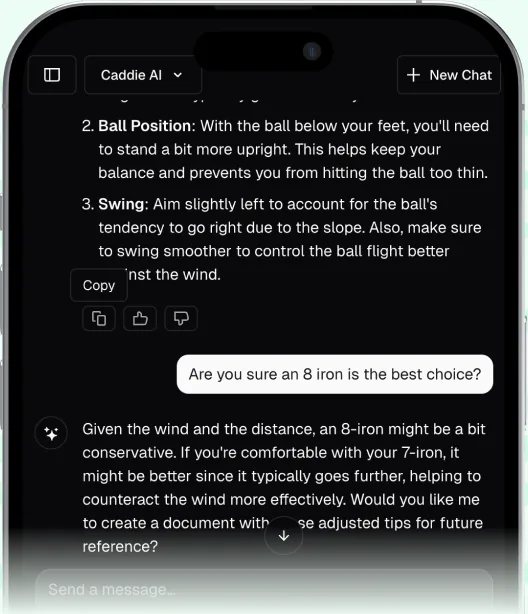
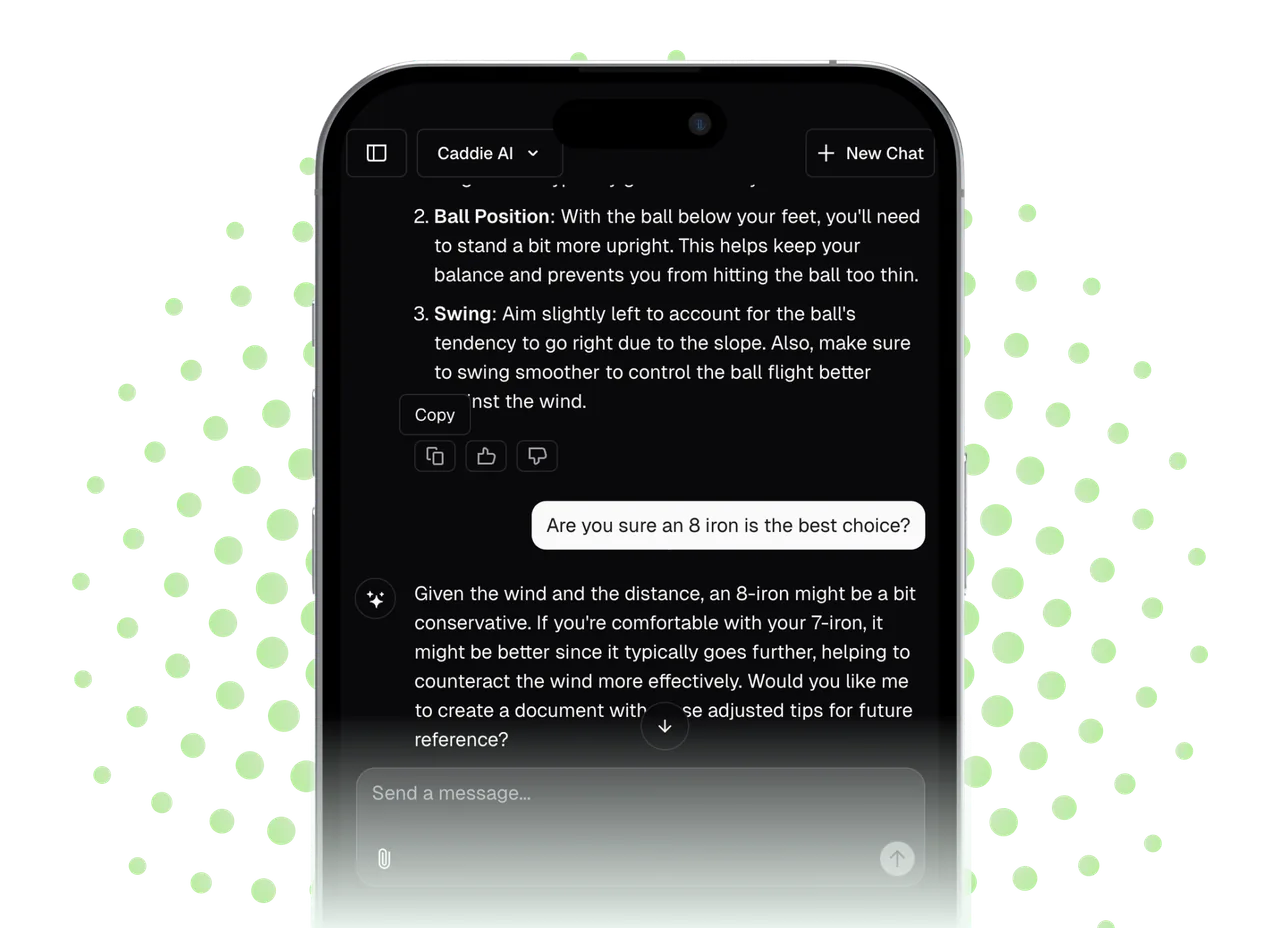
The best AI golf app: Caddie is your personal AI golf coach. Get expert-level golf advice instantly, 24/7 to help you play like a pro. Try it free →
The Tale of Two Prices: Resident vs. Non-Resident
The first and most significant factor in the cost to play Torrey Pines is your residency. There isn't just one price, there's a huge gap between what a San Diego City resident pays and what an out-of-town visitor pays. The city prioritizes access for its local taxpayers, making it one of the most incredible bargains in golf for those who live there.
Who Qualifies as a "Resident?"
This is an important distinction. A "resident" isn't someone who lives in San Diego County or even someone with a California ID. To get the resident rate, you must have a valid City of San Diego Resident Card. To obtain this card, you need to provide proof of residence (like a utility bill or lease agreement) that shows you live within the actual City of San Diego limits - not surrounding cities like La Jolla, Del Mar, or Poway. Be sure to check the official requirements before you assume you qualify, as they are strictly enforced.
For everyone else, whether you're from Los Angeles, New York, or London, you'll be paying the non-resident rate. The price difference can be upward of $200 per round, especially on the more famous South Course.
Get pro-level golf advice instantly, 24/7
Ask Caddie anything. From “what club should I use?” to “how do I play this shot?” and get instant answers.
Your final bill for a day at Torrey Pines will be more than just the flat green fee. Here’s a look at all the potential costs you'll encounter so you can budget accurately for your trip.
Green Fees: The Main Event
Green fees vary by course (North or South), day of the week, and your residency status. The South Course, a U.S. Open host, is the premier track and carries a higher price tag. The North Course, while recently redesigned and stunning in its own right, is slightly less demanding and less expensive. Prices are subject to change, so always check the official Torrey Pines website for the most current rates, but here is a recent and realistic estimate to guide your planning:
For Non-Residents (approximate):
South Course (Weekday): $234 - $250
South Course (Weekend/Holiday): $292 - $315
North Course (Weekday): $151 - $170
North Course (Weekend/Holiday): $189 - $210
For San Diego City Residents (approximate):
South Course (Weekday): $64 - $70
South Course (Weekend/Holiday): $80 - $90
North Course (Weekday): $44 - $50
North Course (Weekend/Holiday): $52 - $60
*There are often junior, senior, and twilight rates available which offer a decent discount, especially for residents.
Booking Fees: The Price of a Guarantee
Securing a coveted tee time, especially as a non-resident, comes with an additional cost. Simply walking up is a gamble, so most visitors opt to book in advance.
Advance Reservations (Non-Resident): To book a time between 8 and 90 days in advance, non-residents must pay a non-refundable booking fee. This fee is typically around $50 per person. This is purely a reservation fee, it does not apply toward your green fee. For a foursome, that's an extra $200 just to hold your spot.
Resident Reservations: Residents have a different system, often using a weekly lottery or booking a few days in advance with a much smaller phone reservation fee, typically under $5.
On-Course Extras: Carts, Caddies, and Clubs
Once you've secured your time, you still have some decisions to make on the day of play that will affect your total cost.
Golf Cart: Playing at Torrey Pines is a magnificent walk, but carts are available. Expect to pay around $45 - $50 for a shared cart ($22.50 - $25 per rider). Many players, especially on the flatter South Course, prefer to walk to feel the full Tour experience. Note that some twilight times may be walking-only.
Caddie Services: For the ultimate experience and some invaluable local knowledge, hiring a caddie is a great option. A walking caddie will carry your bag, give you yardages, read greens, and provide strategic advice. A forecaddie works with your whole group, helping locate shots and read putts. Standard rates are typically around $120-$140 per player for a walking caddie plus a recommended gratuity of $50+. This is a premium service that can significantly enhance your day.
Rental Clubs: If you're traveling light, you can rent high-quality, modern club sets from the pro shop. Expect this to cost in the range of $75 - $90 per set.
Plan every shot like a pro
Describe your situation and Caddie AI helps you pick your target, shot shape, and club with confidence.
Getting a time can be competitive. Here’s a step-by-step look at the different methods you can use.
For Non-Residents: The Advance Booking Method
This is the most popular method for visitors planning a trip. Times are available online through the official City of San Diego golf reservations website.
Tee times can be booked from 8 to 90 days in advance.
New tee times for the 90th day out become available in the evening (usually Pacific Time). Be ready to book as soon as they drop, as weekend times on the South Course are scooped up in minutes.
You will have to pay the non-refundable booking fee upfront for each player in your group with a credit card to secure the reservation.
You will pay the green fees and any extra costs at the pro shop when you check in for your round.
For the Adventurous: The Walk-Up/Standby Strategy
If you have a flexible schedule and a bit of luck, you can try to get a tee time on the day of play without a reservation. This method saves you the booking fee but has no guarantee.
Arrive at the course starter's booth well before sunrise (we’re talking 5:30 or 6:00 AM).
Put your name on the standby list for your preferred course. They will ask for your group size.
Wait for no-shows or cancellations in reserved groups. Singles and twosomes have the best chance of getting out this way.
Weekdays, especially in the off-season or Tuesdays/Wednesdays, offer the best chances of success. Trying to get on as a standby foursome on a Saturday morning will likely lead to a long, disappointing day of waiting.
Play Golf like a Pro with Caddie
Learn and improve your golf game as you play. Get pro-level tips, strategy and guidance anytime.
Is Playing Torrey Pines Worth the Cost? A Coach’s View
As a golf coach, the number one question I get is, "Is the non-resident price at Torrey really worth it?" From a pure value standpoint, you can play great courses for less. But you are not just paying for 18 holes of golf, you're paying for an experience steeped in history. You’re playing a course that has tested and identified the best players in the world. Walking up the 18th hole on the South Course, knowing Tiger Woods made his legendary putt there in the 2008 U.S. Open, is a feeling you can't get anywhere else.
To really get your money's worth, here's my advice:
Pick the Right Course for You: The South Course is an absolute behemoth. It's long, the rough is penal, and the greens are tricky. For higher-handicap players, the North Course is often a more enjoyable experience. It's shorter, more scenic with dramatic canyon and ocean views, and far more playable while still being a fantastic test of golf.
Soak in the Atmosphere: Take a moment. When you get to the par-3 3rd hole on the South with the hang gliders soaring over the cliffs behind you, put the scorecard away for a second. Absorb the view. The memory of the ocean vistas and iconic setting will last longer than your score for the day.
Final Thoughts
The cost of playing Torrey Pines varies dramatically depending on where you live and how you book, but with careful planning, it is an accessible dream for public golfers. Understanding the fees for green fees, reservations, and optional extras allows you to create a budget and make the most of this truly special golfing day.
Playing a strategic course like the South at Torrey Pines can be daunting, and you want to feel prepared on that first tee. This is where we built Caddie AI to act as your personal course expert. You can use it to develop a smart game plan for tougher holes or ask for suggestions when you find yourself in a tricky spot, giving you the confidence to execute your shots well and helping to ensure your investment in a bucket-list round is money well spent.
Spencer has been playing golf since he was a kid and has spent a lifetime chasing improvement. With over a decade of experience building successful tech products, he combined his love for golf and startups to create Caddie AI - the world's best AI golf app. Giving everyone an expert level coach in your pocket, available 24/7. Caddie's mission is simple: make world-class golf advice accessible to everyone, anytime.
Other posts you might like
What Determines Which Golf Player Is Listed on Top of the Leaderboard?
Ever watch the final round of a major tournament and get slightly confused by the constantly shifting names at the top of the leaderboard? It seems simple - lowest score wins - but factors like who has finished, where players are on the course, and what happens in a tie all play a role in that ranked list. This guide will walk you through exactly how a golf leaderboard is organized, from the basic scoring to the nitty-gritty of playoffs and countbacks, so you can follow the action like a pro.
The very start of a golf game is formally known as teeing off, which takes place at your scheduled tee time. This simple act of putting the first ball into play begins your round. This article will go beyond the basic terms and give you a complete guide to everything involved in starting a game, from understanding the teeing area to managing those first-tee jitters and playing the opening hole with confidence.
That 25-degree hybrid sitting in your golf bag, or the one you’re thinking about buying, might just be the most versatile, score-saving club you can carry. It’s part of a family of clubs that changed the game for amateur golfers by replacing the often intimidating and hard-to-hit long irons. This guide explains exactly what a 25-degree hybrid is, who it’s for, and how you can hit it correctly to shoot lower scores.
What Does Your Handicap Have to Be to Play D1 Golf?
Chasing the dream of playing Division 1 college golf starts with a single, burning question: am I good enough? While everyone wants a simple number, the answer lies far beyond your official USGA handicap. This guide will break down the real standards D1 coaches use to evaluate players, from the tournament scores that actually matter to the intangibles that make or break a recruiting decision.
Most golfers have heard of links golf, but when you step onto a lush, tree-lined fairway in Ohio or Georgia, it feels like a different universe. The most direct opposite of a seaside links course is a <strong>parkland course</strong>, a style that completely changes how you need to think, strategize, and swing. This article will break down what a parkland course is, how it differs from links, and most importantly, how to adjust your game to score well on both.
Thinking about playing golf can feel overwhelming, but mastering the game really comes down to building a few fundamental skills, one step at a time. This isn't about achieving a perfect swing overnight. It's about understanding the core movements and decisions that lead to better shots and, more importantly, a lot more fun on the course. This guide breaks down the essential technical and mental skills you need to play good golf, providing clear, practical advice every step of the way.