Ever watch a pro golfer drain a million-dollar putt and wonder just how much money they're really making? The figures you see flashed on the screen after a tournament win are often just the tip of the iceberg. This article breaks down the complete financial picture of a professional golfer, from tournament purses and sponsorships to the often-overlooked expenses that come with life on tour.
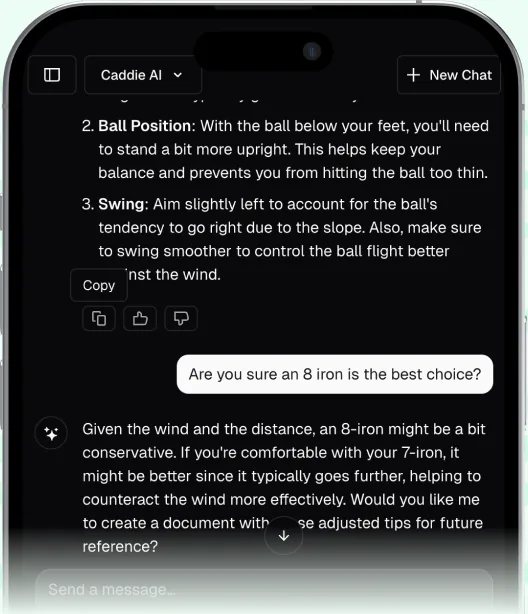
The best AI golf app: Caddie is your personal AI golf coach. Get expert-level golf advice instantly, 24/7 to help you play like a pro. Try it free →
The Big Checks: Tournament Winnings
The most visible source of a professional golfer's income is prize money from tournaments. When you see Scottie Scheffler or Jon Rahm hoist a trophy on a Sunday afternoon, it comes with a substantial check. But how this money is distributed isn't always straightforward.
PGA TOUR: A World of Opportunity
The PGA Tour is the richest golf tour in the world, with weekly purses that routinely range from $8 million to $20 million for standard events. The premier events, however, are on another level:
The PLAYERS Championship: Often called the "fifth major," its purse has reached a massive $25 million, with the winner taking home over $4.5 million.
The Major Championships: The Masters, PGA Championship, U.S. Open, and The Open Championship all have huge prize funds, with winner's shares climbing past the $3 million mark.
The FedExCup Playoffs: The season-ending finale features a staggering bonus pool. The winner of the TOUR Championship and the FedExCup title receives an $18 million bonus.
It's important to remember that these purses are top-heavy. While the winner can get rich in a single weekend, the payouts drop off quickly. For example, in a $20 million event, the winner might get $3.6 million, while the person finishing 50th might take home around $40,000.
The "Missed Cut" Reality
Here’s the part that many fans don't see: if a player doesn't play well enough in the first two rounds to "make the cut" for the weekend, they earn absolutely nothing in prize money. Zero. Zip. Zilch. Not only do they not get paid, but they are still on the hook for all their expenses for the week, including flights, hotels, food, and paying their caddie.
This creates immense pressure, especially for players who don't have multi-million dollar endorsement deals to fall back on. Every shot on a Thursday or Friday can literally be the difference between a nice payday and losing thousands of dollars for the week.
Get pro-level golf advice instantly, 24/7
Ask Caddie anything. From “what club should I use?” to “how do I play this shot?” and get instant answers.
For the top echelon of players - the household names - tournament winnings are actually a smaller piece of their financial pie. The real, life-changing wealth comes from off-course opportunities. Think of a player as the CEO of their own company, "Player Inc."
Sponsorships &, Endorsements
This is the engine of a top pro's earnings. Brands pay enormous sums to have their logos associated with the world's best players. These deals are multifaceted and can be worth tens of millions of dollars per year for stars like Rory McIlroy, Jordan Spieth, or Justin Thomas.
The categories include:
Equipment Deals: These are often the most lucrative. A brand like TaylorMade, Titleist, or Callaway will sign a player to an exclusive contract to play their clubs, ball, and have their logo on the bag. These are "head-to-toe" deals that dictate nearly everything a player uses.
Apparel Deals: Look no further than Tiger Woods' iconic partnership with Nike, which transcended golf, or his new "Sun Day Red" brand. Players are paid millions to wear a specific brand of hat, shirt, pants, and shoes.
Non-Golf Brands: This is where a player's global appeal truly shines. Luxury brands like Rolex and Omega, financial institutions like Mastercard and NetJets, and automotive giants like Mercedes-Benz pay top dollar to align their image with a golfer’s perceived success, precision, and integrity.
These companies don't just pay a player to slap a logo on their shirt. The contracts are often filled with performance bonuses for wins, major championships, and maintaining a high world ranking. They expect the player to represent their brand in commercials, at photoshoots, and in corporate events.
Appearance Fees
Did you think top players just decide to play a random tournament in Dubai or Saudi Arabia on a whim? Not usually. For tournaments outside the major tours (especially in Europe, Asia, and the Middle East), tournament organizers pay top players hefty "appearance fees" just to show up and grace their event with star power. These fees can range from a few hundred thousand dollars to well over $2 million for the biggest names in the game. It’s guaranteed money, regardless of how they perform.
Corporate Outings &, Pro-Ams
On their "off weeks," many pros are still hard at work. A significant source of income comes from playing in corporate outings. A company might pay a popular tour pro anywhere from $50,000 to over $250,000 for a single day. This typically involves playing 18 holes with corporate executives or important clients, followed by a Q&,A session or dinner. For the company, it's a priceless schmoozing opportunity. For the player, it's a lucrative day's work.
The Cost of Doing Business: A Pro's Expenses
Being a professional golfer is like running a small, mobile business. The revenue can be high, but so are the expenses. Every dollar earned doesn't go straight into their pocket. They have a team to pay and a lot of overhead.
The Caddie's Cut
A caddie isn't just a bag-carrier, they are a player's on-course partner, strategist, and psychologist. And they are paid accordingly. The standard caddie payment structure is:
Weekly Salary: A base of around $2,000 to $4,000 per week, win or lose. This covers the caddie’s travel and base living expenses for the tournament week.
Percentage of Winnings: This is where a great caddie makes their living. The usual formula is:
5% of winnings for making the cut.
7-8% for a top-10 finish.
10% for a win.
Think about that for a moment. When a player wins a $4 million check, their caddie walks away with a $400,000 payday for a week's work. This aligns their incentives perfectly - when the player does well, the caddie does well.
Travel, Team, and Taxes
The financial bleed doesn't stop with the caddie. A pro's expense sheet is long:
Travel &, Accommodation: First-class flights for themselves and their team, private aviation for top players, hotels, rental cars - it adds up week after week, totaling hundreds of thousands of dollars a year.
Coaching Team: Elite players have a dedicated team. This includes a swing coach, short game coach, putting coach, mental performance coach, and a fitness trainer or physiotherapist. All of these experts are on retainer or paid hourly, and their fees are substantial.
Agent Fees: The agent who negotiates those massive endorsement deals takes a commission, typically between 10-20%.
Taxes: This is perhaps the biggest and most complicated expense. A pro earning money in 20 different states and 5 different countries has a nightmarish tax situation, requiring expert accountants to navigate.
Plan every shot like a pro
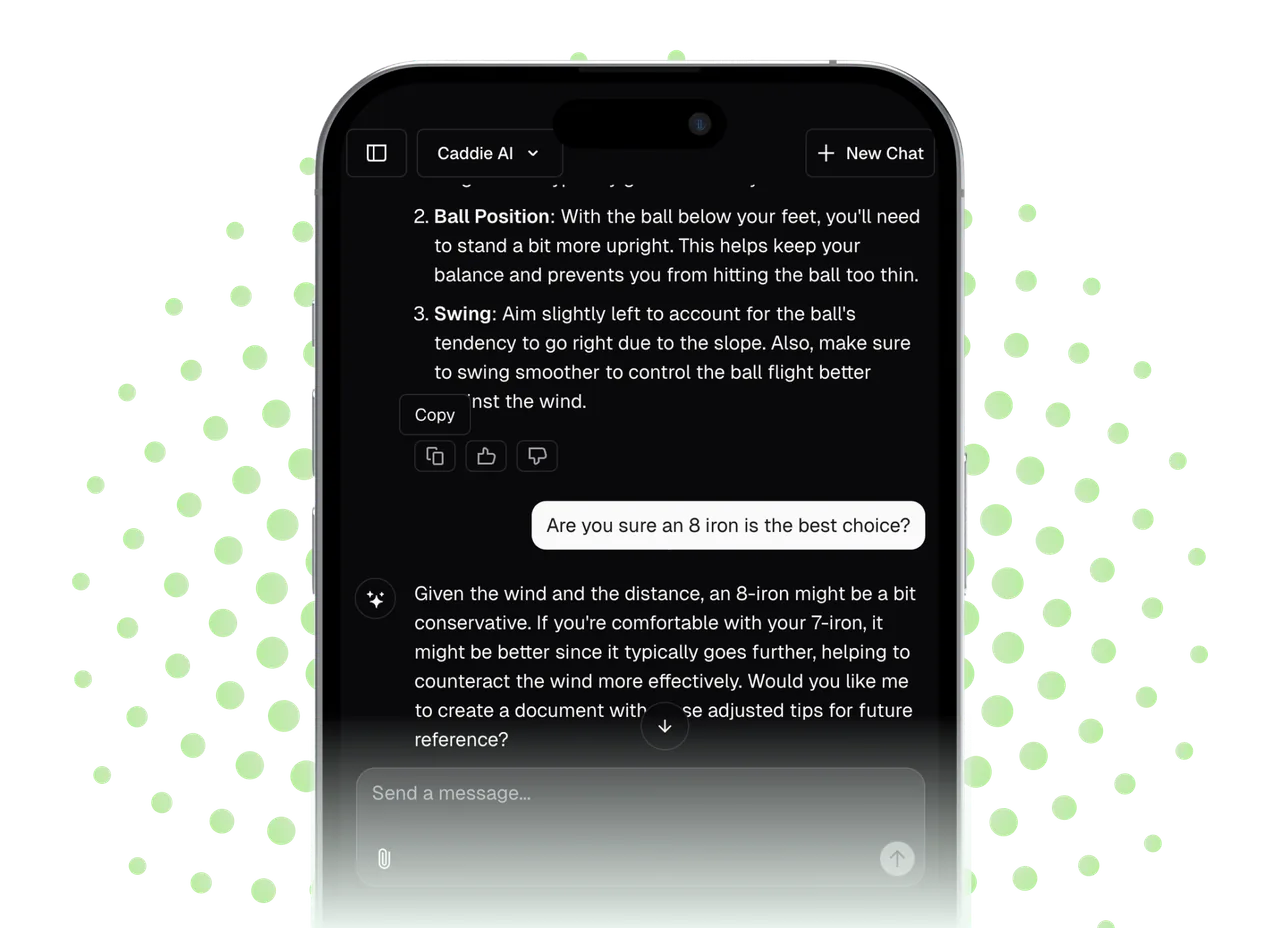
Describe your situation and Caddie AI helps you pick your target, shot shape, and club with confidence.
For every golfer with a private jet and a stable of luxury watches, there are thousands of incredibly talented players grinding it out on developmental tours like the Korn Ferry Tour (the gateway to the PGA Tour). For these players, the financial reality is an entirely different world.
On these tours, the purses are much smaller. A winning check might be $180,000, which is fantastic, but finishing 40th might only earn you $4,000. When you factor in $3,000+ in expenses for the week, many players who make the cut are barely breaking even, or even losing money.
These are the players driving from one town to the next, sharing rundown hotel rooms with other players, and constantly wrestling with the financial pressure of funding their dream. The line between success and failure is paper-thin. It’s a testament to their dedication and love for the game that they continue to chase their dream, knowing that one great year could change everything.
Play Golf like a Pro with Caddie
Learn and improve your golf game as you play. Get pro-level tips, strategy and guidance anytime.
A professional golfer’s earnings are a complex combination of incredible skill on the course and smart marketing off of it. While the superstars at the top are some of the highest-paid athletes in history, the sport is also a tough business filled with thousands of hopefuls fighting just to make a living.
While most of us won't earn millions from golf, we believe every player deserves to feel as confident and prepared as a pro on the course. We created Caddie to democratize expert golf insight, giving you on-demand access to the kind of strategic thinking and shot-by-shot advice that was once only available to tour players. From getting a smart game plan on the tee box to analyzing a tricky lie, our goal is to take away the guesswork so you can focus on playing better golf and enjoying the game more.
Spencer has been playing golf since he was a kid and has spent a lifetime chasing improvement. With over a decade of experience building successful tech products, he combined his love for golf and startups to create Caddie AI - the world's best AI golf app. Giving everyone an expert level coach in your pocket, available 24/7. Caddie's mission is simple: make world-class golf advice accessible to everyone, anytime.
Other posts you might like
What Is Blading a Golf Ball?
Hearing that thin, metallic click followed by a golf ball shooting low and hot across the green is a sound every golfer dreads. That shot is called a blade, or a thin, and it’s one of the most frustrating mishits in golf. This article will break down exactly what causes you to blade the ball and, more importantly, give you a clear, actionable plan with simple drills to help you stop doing it for good.
Thinking a sparkling clean club is just for looks? Think again. A face caked with dirt and grooves packed with grass is one of the quickest ways to lose control of your golf ball, and ultimately, your score. This guide will walk you through exactly why clean clubs matter so much, what tools you need for the job, and the simple step-by-step process for getting them back to performing their best, both at home and on the course.
For years, Paula Creamer was a can't-miss presence on an LPGA Tour leaderboard, her signature all-pink outfits turning heads almost as much as her formidable golf game. Fans affectionately knew her as the Pink Panther, a fierce competitor with 10 LPGA Tour wins, including a triumphant victory at the 2010 U.S. Women's Open. But in recent seasons, the sightings have become less frequent, leaving many to wonder, What happened to Paula Creamer?. Her story isn't one of disappearing, but of adapting - to injuries, swing changes, and the monumental life change of motherhood.
The single most used golf ball on the PGA Tour, and virtually every other professional tour around the globe, is the Titleist Pro V1 and its family of models, primarily the Pro V1x. Week in and week out, these two models account for a staggering majority of the balls put in play by the best golfers on the planet. This article will break down exactly why the Pro V1 family dominates, explain the differences between the models, and - most importantly - help you decide if this tour-proven choice is the right ball for your game.
The term scratch golfer is one of the most respected titles in the amateur game, but it's also one of the most misunderstood. If you've ever wondered what it truly takes to play off a zero handicap, you're in the right place. This guide will break down the official definition, uncover the real-world skills required, and lay out a practical roadmap for anyone aspiring to reach this new level of golf.
Playing golf surrounded by saguaro cacti and sunbaked rock is an experience unlike any other, offering stunning views but posing a unique set of challenges you won't find on a traditional parkland course. This guide breaks down exactly what a desert golf course is, how to navigate its specific dangers, and the simple strategies you can use to not just survive your round, but actually score well.